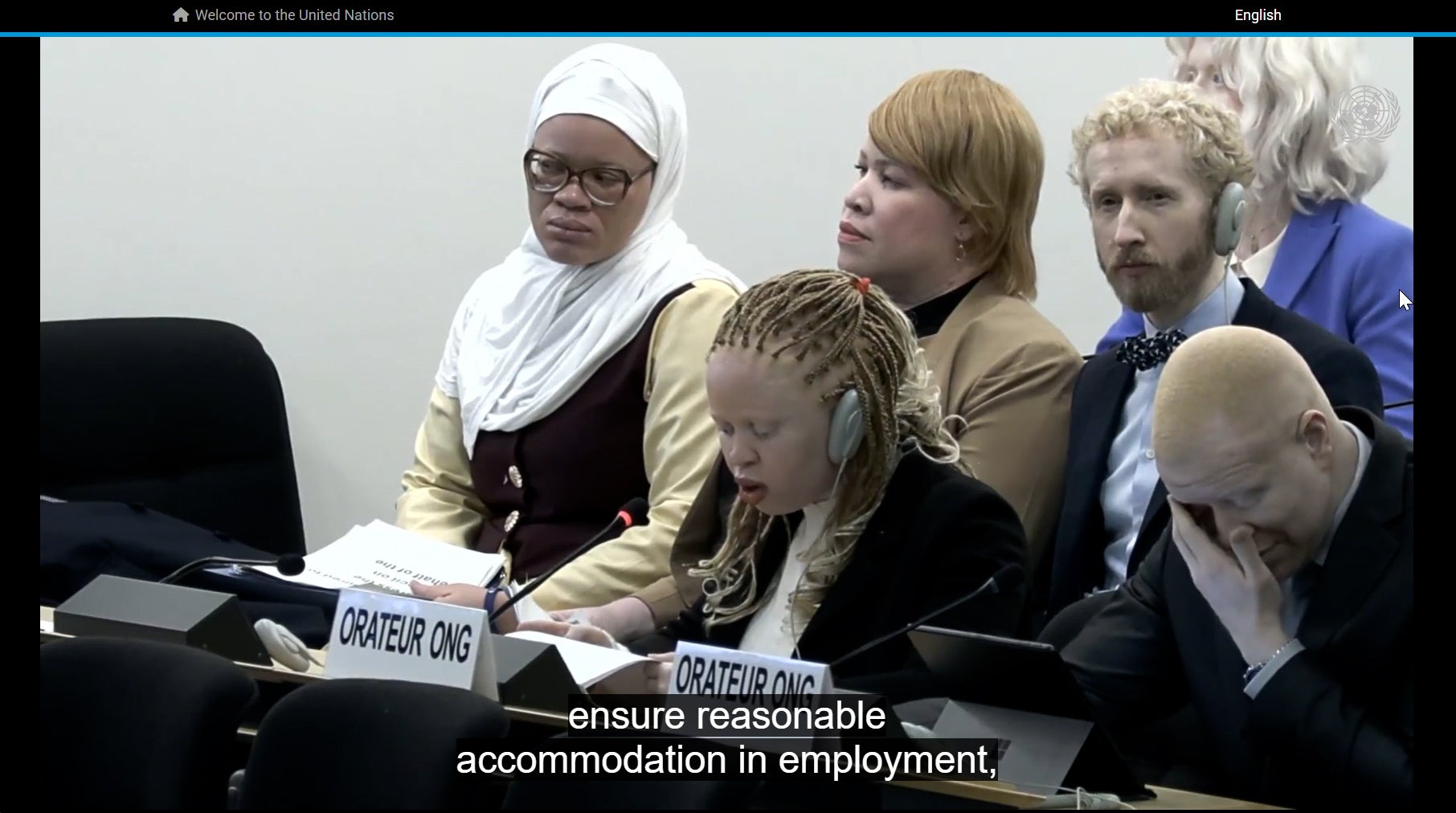
This statement was delivered by Human Rights Watch at the 61st regular session of the UN Human Rights Council during an interactive dialogue with the UN Independent Expert on the rights of persons with albinism held on March 5-6, 2026.
Thank you, Mr. President,
We welcome the Independent Expert’s report and its attention to the structural discrimination that persons with albinism continue to face.
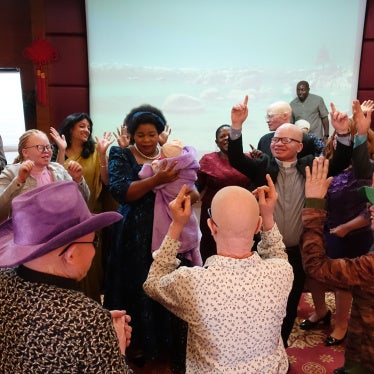
My name is Hilda Macheso, and I am a Malawian disability rights advocate and this year’s recipient of the Human Rights Watch Marca Bristo Fellowship for Courageous Leadership in Disability Rights.
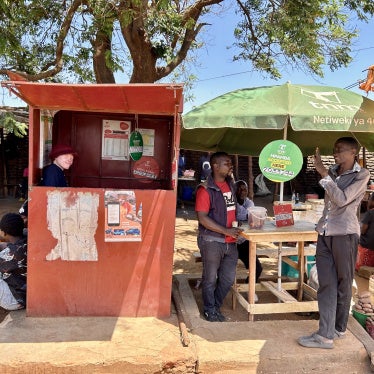
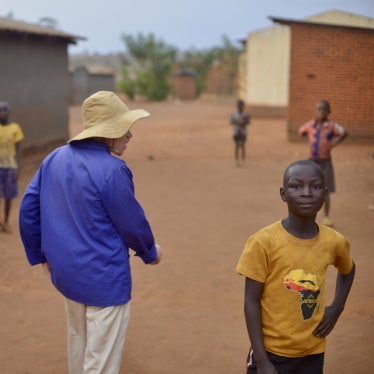
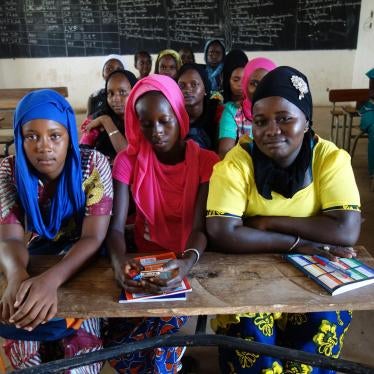
People with albinism continue to face stigma, harmful stereotypes, and myths, restricting their lives – not only through threats of violence, but through exclusion from education and employment. Human Rights Watch research in Malawi, Mozambique and Tanzania shows that without reasonable accommodations, including assistive devices, large-print materials, sunscreen, hats, or seating close to the blackboard, many children with albinism are unable to fully access education. Without these supports, students can fall behind or drop out.
This exclusion continues into adulthood. Adults with albinism face discrimination in hiring rooted in misconceptions about our ability to work outdoors, our productivity, and perceived additional costs. We are also denied work because of stigma.
States have clear obligations under international human rights law to ensure non-discrimination and to provide reasonable accommodation throughout the employment process including in recruitment and hiring. Flexible scheduling to avoid peak sun exposure, extra time in recruitment tests, protective clothing, sunscreen provision, and modified work environments are not optional: they are essential to equal participation.
Human Rights Watch urges governments to adopt and enforce anti-discrimination laws, ensure reasonable accommodation in employment, and invest in public education to combat stigma.
Persons with albinism do not need charity. We need equal opportunity and meaningful inclusion.
Thank you.