Many people with albinism reported being denied jobs after employers saw their appearance, excluded from public-facing roles, or rejected based on assumptions that they were incapable, fragile, or a liability.
Meanwhile, deeply rooted myths, including beliefs that body parts possess magical powers or that sexual intercourse with a woman with albinism brings wealth or cures disease, have fueled killings, sexual violence, and abductions. In parts of Malawi, people with albinism are often referred to as “money,” reflecting the belief that their bodies or body parts can be sold for profit.
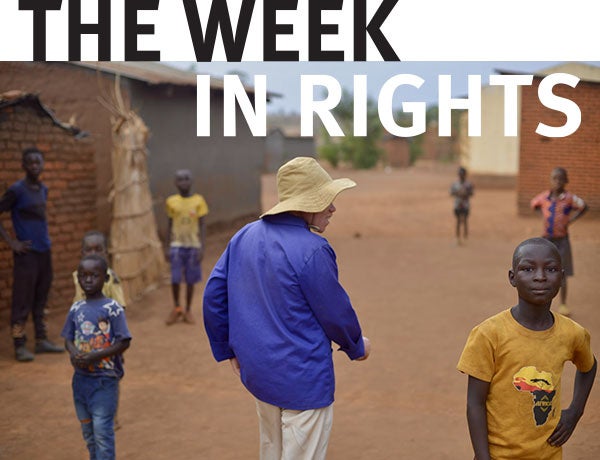
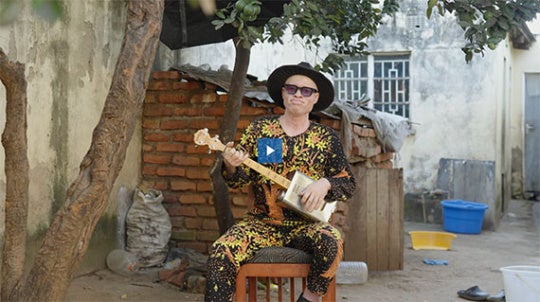
>> Report and photo essay: “I Just Want to Work Without Fear”
Although reported attacks have declined in recent years, the legacy of violence continues to shape everyday life. Many people with albinism limit their movement, avoid isolated areas, and often forgo what few work opportunities are available to them due to fear.
Patricia, a survivor of two attacks, told us: “I still carry the fear that at any moment I can be attacked again.”
Discrimination begins early as children with albinism face bullying and inaccessible learning environments. However, some progress has been made to improve inclusion in education, expanding opportunities later in life.
On paper, Malawi has strong protections for people with albinism. But implementation remains weak and people with albinism should be included further in decision-making.
“People with albinism in Malawi do not want charity or pity,” said Bonface Massah, executive director at the African Albinism Network. “They want equal opportunity, safety, dignity, and a sense of belonging.”