(Sydney) – The government of Bhutan’s release of 2 political prisoners on June 1, 2026, is a positive step, but at least 28 more should be urgently freed, Human Rights Watch said today.
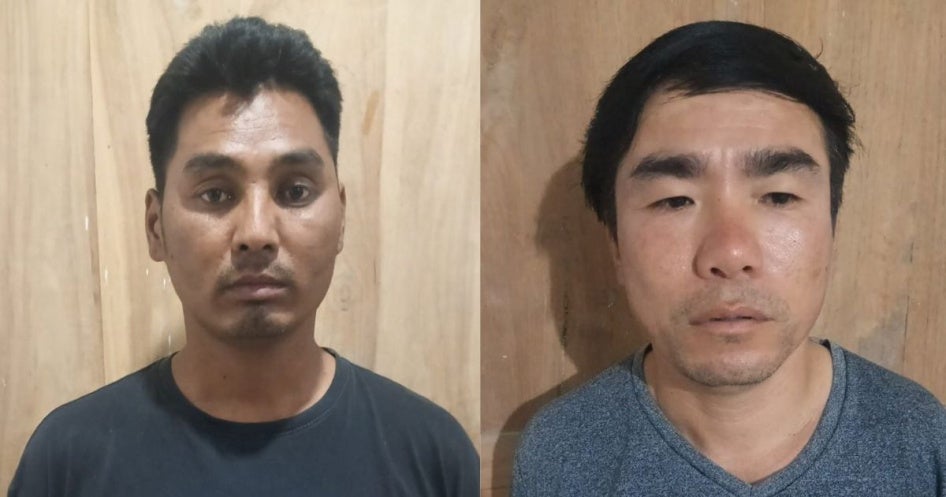
The two men, Chatur Man Tamang, 42, and Hasta Bahadur Rai, 44, whose detention was under scrutiny from United Nations human rights experts, were arrested in 2008, severely tortured, and sentenced to life in prison for treason at a trial without defense lawyers.
“These initial releases are an important step in the right direction, ending the suffering of two political prisoners and their families,” said Meenakshi Ganguly, deputy Asia director at Human Rights Watch. “The Bhutanese authorities should move quickly now to release at least 28 others still languishing in prison, and urgently improve dreadful conditions in the process.”
Most of Bhutan’s political prisoners, who are described as such under Bhutan’s law and held separately from those convicted of ordinary criminal offenses, are from the country’s Nepali-speaking community and their cases relate to a period of discrimination including denial of citizenship and state violence that their community faced in the early 1990s. They were prosecuted and convicted before Bhutan introduced democratic reforms in 2008, but their cases were never reviewed, and they continue to be held in deplorable prison conditions.
Rai and Tamang had become refugees in nearby Nepal as young children in 1990, among the 90,000 Nepali speaking Bhutanese expelled from the country amid widespread rights violations by security forces. In 2008, the authorities arrested them when they returned to Bhutan as members of an exiled political group called the Bhutan Communist Party, which demanded the right of refugees to return. Immediately following their release, Tamang and Rai were expelled from Bhutan.
In an interview with Human Rights Watch following their release, the two men described severe torture in army custody following their arrest, and that they were forced to confess and sign statements, which they did not read. During their trial, they had no defense lawyers. They were sentenced to life in prison, which in Bhutan has no possibility of parole.
Among the 28 remaining known prisoners, most serving life sentences, 11 have cases nearly identical to Rai and Tamang’s, dating from 2008. Thirteen others have been in jail since the period 1990-2001, convicted of participating in protests against discriminatory policies. Among them are seven that were members of the Royal Bhutan Army who had allegedly joined protests. They are held at a remote military prison called Rabuna. Four prisoners belong to the Sharchop ethnic community, accused of membership of the Druk National Congress, a banned political party that existed before Bhutan introduced democratic reforms.
At the time of Tamang and Rai’s release, the UN Working Group on Arbitrary Detention was about to publish an opinion finding their prolonged detention to be arbitrary under international legal standards. In 2025, the working group had examined three other cases of Bhutanese political prisoners and found that their detention was arbitrary on four separate grounds. They remain in prison.
In April 2025, Members of the European Parliament holding key positions on EU political and trade relations with Bhutan called for the political prisoners’ release in a letter to Bhutan’s prime minister. EU diplomats have also raised the cases as part of their political dialogue with the country.
Also in 2025, six UN human rights experts issued a joint communication to the Bhutan government, raising concerns that the “political prisoners are reportedly given inadequate food, water, heating, bedding and warm clothing” and that “detainees suffer shortages of medicines and access to doctors.” They expressed concern that those with physical illnesses—some as a result of alleged torture—“do not receive necessary medical treatment, which may have contributed to the death of two detainees.”
Despite these abuses, Bhutan has promoted an international image of an enlightened government committed to promoting “gross national happiness,” and is eager to attract international investment.
The two recently released men described the conditions in the “anti-national” block at Chemgang prison near the capital, Thimphu, where 18 of the remaining political prisoners are held. They said that prisoners have meager food and other necessities such as soap, which the men said had become worse in recent years. Several of the remaining prisoners are suffering ill health, the men said, for which they receive little or no treatment, including two who have symptoms of mental illness. Those whose families are living outside Bhutan have had no contact with loved ones for many years. Tamang said he had no contact with relatives in 10 years before his release.
In December 2025, one of the political prisoners, Sha Bahadur Gurung, 65, died in custody. He had been serving a life sentence in the notoriously harsh Rabuna prison since 1990, for allegedly attending a protest while enlisted in the army.
Under Bhutanese law, which is partly based on Buddhist concepts such as “compassion,” a prisoner serving a life sentence can only be released if the king commutes their sentence using a prerogative of royal benevolence known as kidu. The current king, Jigme Khesar Namgyel Wangchuck, should pardon all the political prisoners, Human Rights Watch said.
“The release of these two men after years of unjust imprisonment is a moment for celebration for them and their families, and of hope for the other families that are still waiting for their loved ones to be released,” Ganguly said. “As the Bhutanese authorities claim to promote ‘gross national happiness,’ they should act accordingly, comply with their human rights obligations, and immediately end this unnecessary suffering.”