US Expulsions of Third-Country Nationals to Countries in Africa
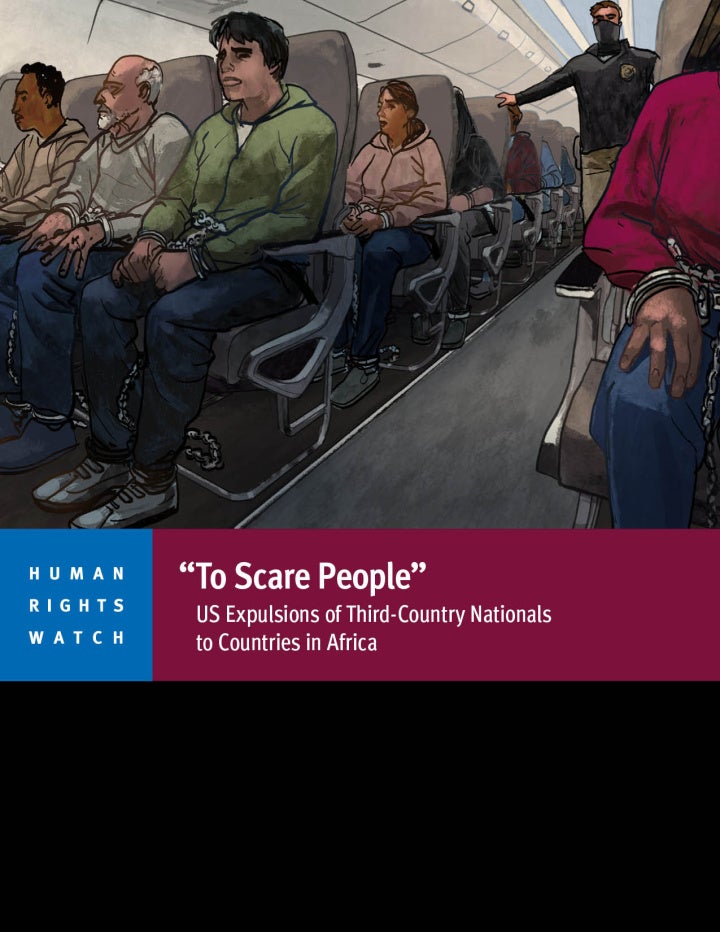
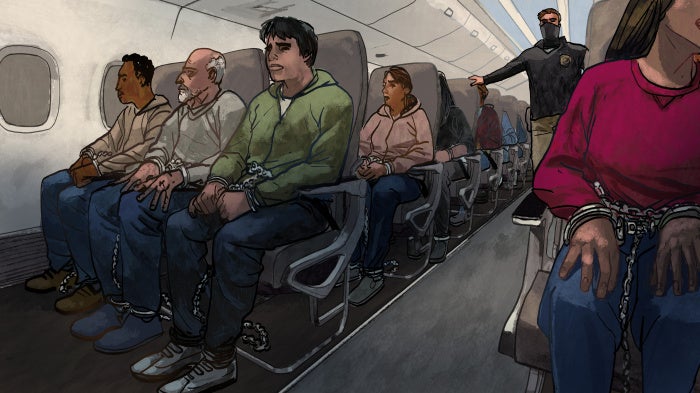
The 125-page report, “‘To Scare People’: US Expulsions of Third-Country Nationals to Countries in Africa,” documents that US authorities denied the more than 500 people transferred to third countries a meaningful chance to contest their removals or to articulate their fears of being removed to these countries. Some countries arbitrarily detained people they had accepted, and some have sent people onward to the risk of persecution or torture in their home countries, violating the international law principle of nonrefoulement.
Corporal Punishment of Students with Disabilities in US Public Schools
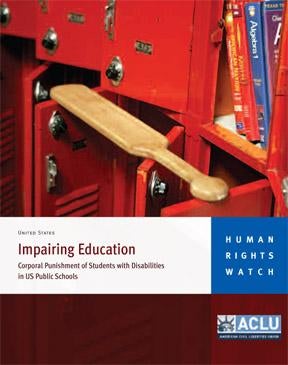
In this 70-page report, the ACLU and Human Rights Watch found that students with disabilities made up 18.8 percent of students who suffered corporal punishment at school during the 2006-2007 school year, although they constituted just 13.7 percent of the total nationwide student population.
Religious Counseling, Indefinite Detention, and Flawed Trials
This 27-page report documents Saudi Arabia's response to threats and acts of terrorism since 2003, including the indefinite detentions of thousands of people, some of them peaceful political dissidents. The domestic intelligence agency, the mabahith, which runs its own prisons, has prevented effective judicial oversight.
Harm to Civilians from Palestinian Armed Groups’ Rocket Attacks
This 31-page report documents attacks by Hamas and other Palestinian armed groups since November 2008 that killed three Israeli civilians and seriously injured dozens of others, damaged property and forced residents to leave their homes. The rockets unlawfully struck populated areas up to 40 kilometers inside Israel, placing roughly 800,000 Israeli civilians at risk.
Dysfunction, Abuse, and Impunity in the Indian Police
This 118-page report documents a range of human rights violations committed by police, including arbitrary arrest and detention, torture and extrajudicial killings. The report is based on interviews with more than 80 police officers of varying ranks, 60 victims of police abuses, and numerous discussions with experts and civil society activists.
Institutionalizing Discrimination against Gays and Lesbians in Burundi
This report consists of narratives and photos of Burundian gays and lesbians that bring to life the daily struggles faced by the small lesbian, gay, bisexual, and transgender (LGBT) community in Burundi. Members of the community talk about how they have been fired from their jobs, beaten by parents and neighbourhood youth, and evicted from their homes.
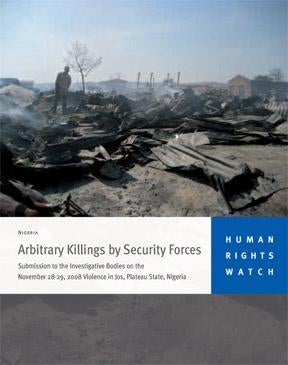
Submission to the Investigative Bodies on the November 28-29, 2008 Violence in Jos, Plateau State, Nigeria
Human Rights Watch testified before the Plateau State Judicial Commission of Inquiry on July 20, 2009 in Jos, the capital of Plateau State in central Nigeria, where on November 28-29, 2008, sectarian violence between Muslim and Christian mobs left hundreds dead.
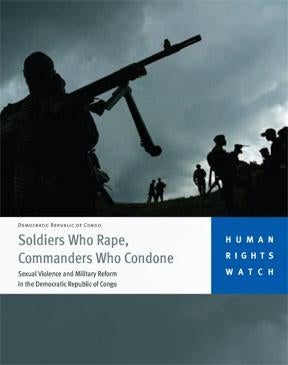
Sexual Violence and Military Reform in the Democratic Republic of Congo
This 56-page report documents persistent sexual violence by the army, and the limited impact of government and donor efforts to address the problem. The report looks closely at the conduct of the army's 14th brigade as an example of the wider problem of sexual violence by soldiers.
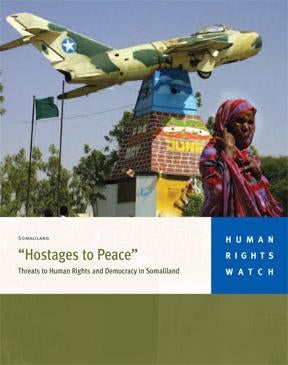
Threats to Human Rights and Democracy in Somaliland
This 56-page report says that Somaliland's government has helped create a measure of stability and democratic governance even as Somalia has remained mired in armed conflict. But Somaliland's gains are fragile and currently under threat.
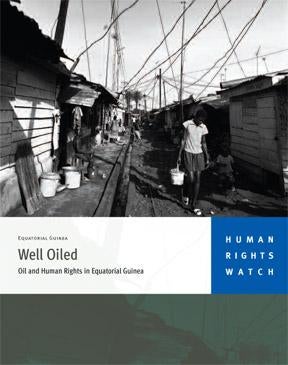
This 107-page report details how the dictatorship under President Teodoro Obiang Nguema Mbasogo has used an oil boom to entrench and enrich itself further at the expense of the country's people.
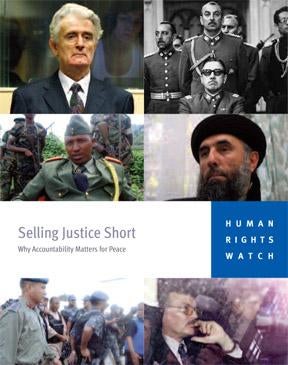
This 128-page report draws upon Human Rights Watch's work over the past 20 years in nearly 20 countries. The report documents how ignoring atrocities reinforces a culture of impunity that encourages future abuses. Rather than impede negotiations or a transition to peace, remaining firm on justice can yield short- and long-term benefits.
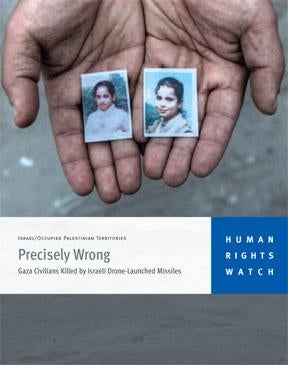
Gaza Civilians Killed by Israeli Drone-Launched Missiles
This 39-page report details six incidents resulting in 29 civilian deaths, among them eight children. Human Rights Watch found that Israeli forces failed to take all feasible precautions to verify that these targets were combatants, as required by the laws of war, or that they failed to distinguish between combatants and civilians.
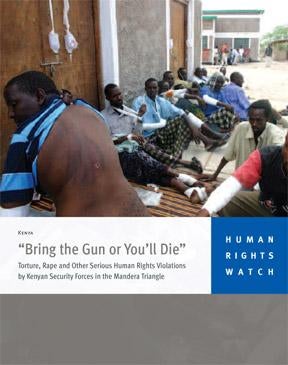
Torture, Rape, and Other Serious Human Rights Violations by Kenyan Security Forces in the Mandera Triangle
This 51-page report documents rampant abuses during the operation and provides detailed accounts of the events in four of the 10 communities that were targeted.
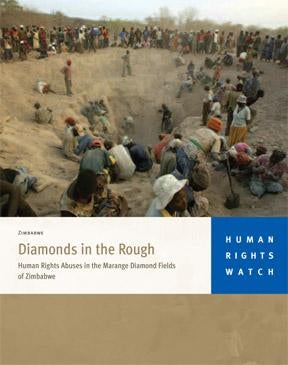
Human Rights Abuses in the Marange Diamond Fields of Zimbabwe
This 62-page report documents how, following the discovery of diamonds in Marange in June 2006, the police and army have used brutal force to control access to the diamond fields and to take over unlicensed diamond mining and trading.
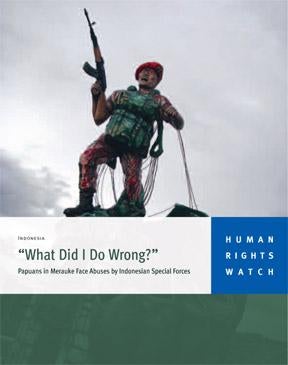
Papuans in Merauke Face Abuses by Indonesian Special Forces
This 16-page report documents how Kopassus soldiers operating in the town of Merauke, in Indonesia’s easternmost province of Papua, arrest Papuans without legal authority, and beat and mistreat those they take back to their barracks.