The 49-page report, “‘We Are Living on Borrowed Time’: Repression of Civil Society in Tunisia” documents the Tunisian authorities’ escalating repression of local and international civil society groups, workers, members, and affiliates through the weaponization of abusive prosecutions, arbitrary arrests, detention, financial and criminal investigations, mass suspensions, and threats of dissolution.
Protest and Police Crackdown in the Terai Region of Nepal
This 44-page report documents Human Rights Watch investigations into the killings of 25 people, including 16 members of the public and 9 police officers, in five Terai districts between August 24 and September 11, 2015. Human Rights Watch found no evidence that any of these victims were posing a threat at the time that they were killed.
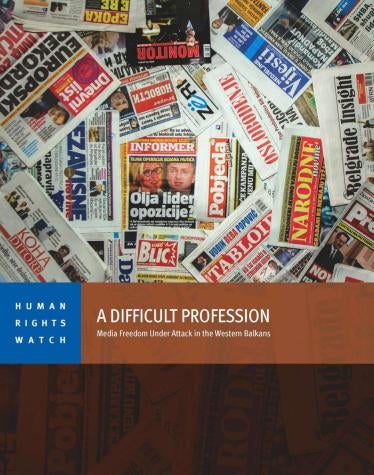
This 69-page report documents physical attacks and threats, including death threats, punitive lawsuits, and smear campaigns targeting journalists in Bosnia and Herzegovina, Kosovo, Montenegro, and Serbia. The report is based on interviews with 86 journalists, most of whom report on sensitive issues such as war crimes and corruption, in the four Western Balkan countries. Human Rights Watch also documented several cases of cyberattacks against online media outlets critical of the governments. None of the countries are adequately investigating or prosecuting the attacks on journalists, Human Rights Watch found.
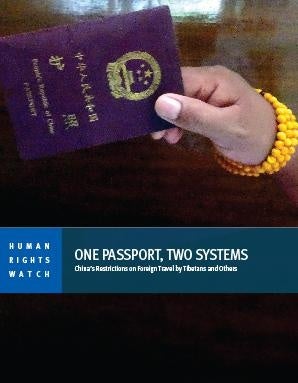
China’s Restrictions on Foreign Travel by Tibetans and Others
This 53-page report shows the evolution of a discriminatory two-track system for passports applications: a fast-track system is available in areas that are largely populated by the country’s ethnic Chinese majority, but only a slow-track system is allowed for those in most ethnic and religious minority areas.
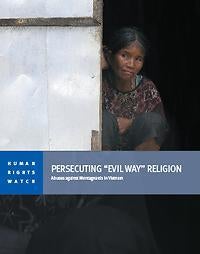
This 33-page report is based on official Vietnamese media reports and Human Rights Watch interviews with Montagnards seeking asylum abroad. It describes religious and political persecution of Montagnards, highlanders who practice De Ga and Ha Mon forms of Christianity that the government calls “evil way” religions.
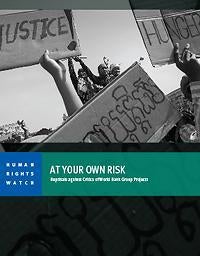
Reprisals against Critics of World Bank Group Projects
This report details how governments and powerful companies have threatened, intimidated, and misused criminal laws against outspoken community members who stand to be displaced or otherwise allegedly harmed by projects financed by the World Bank and its private sector lending arm, the International Finance Corporation (IFC). The World Bank and IFC have failed to take adequate steps to help create a safe environment in which people can express concern or criticism about projects funded by the Bank Group without risk of reprisal, Human Rights Watch found.
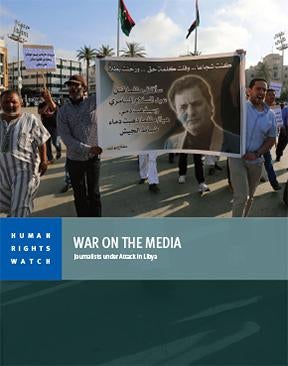
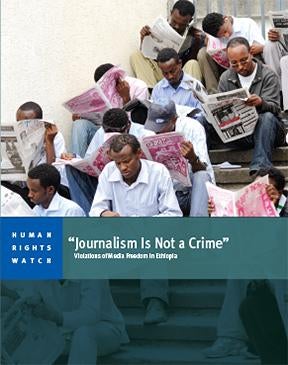
This 54-page report says that authorities failed to hold anyone accountable for attacks on journalists and media outlets since 2012, most of which were committed by non-state actors. Meanwhile, courts are prosecuting people, including journalists, for speech-related offenses, particularly for defaming public officials.
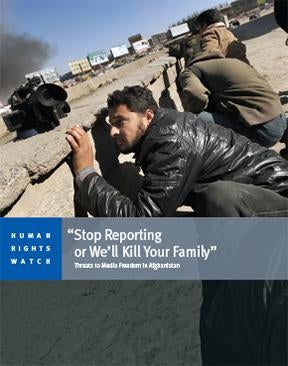
This 48-page report documents harassment, intimidation, and attacks on journalists and the Afghan government’s failure to investigate and prosecute those responsible. The failure to protect journalistic freedom has emboldened those determined to suppress criticism of the government, the security forces, and other powerful entities in Afghan society.
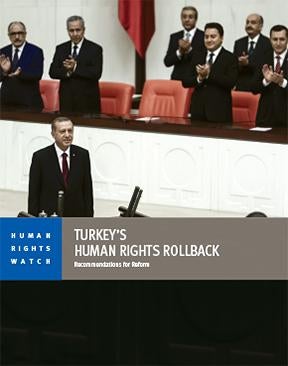
This 38-page report outlines the rollback of human rights and rule of law in Turkey, linked to mass anti-government protests in 2013 and corruption allegations that go to the very heart of the government of the ruling AKP.
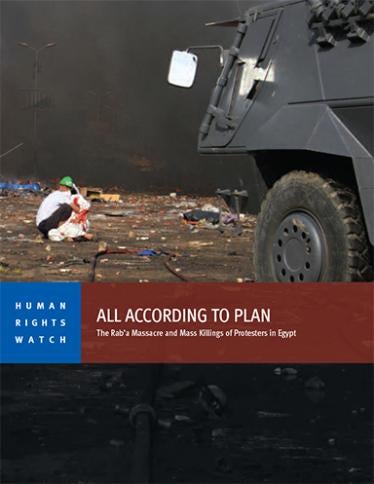
The Rab’a Massacre and Mass Killings of Protesters in Egypt
The 188-page report documents the way the Egyptian police and army methodically opened fire with live ammunition on crowds of demonstrators opposed to the military’s July 3 ouster of Mohamed Morsy, Egypt’s first elected civilian president, at six demonstrations between July 5 and August 17, 2013.
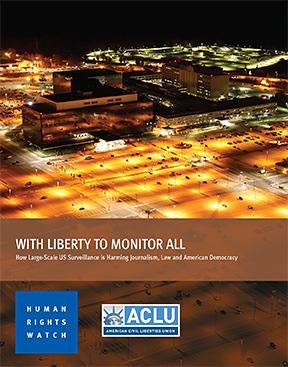
How Large-Scale US Surveillance is Harming Journalism, Law, and American Democracy
The 120-page report documents how national security journalists and lawyers are adopting elaborate steps or otherwise modifying their practices to keep communications, sources, and other confidential information secure in light of revelations of unprecedented US government surveillance of electronic communications and transactions.
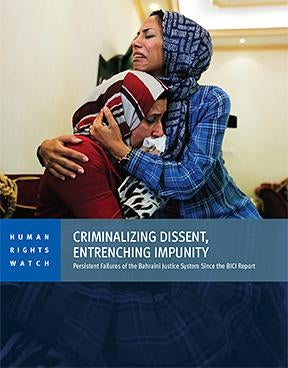
Persistent Failures of the Bahraini Justice System Since the BICI Report
The 64-page report found that more than two years after King Hamad bin Isa Al Khalifa accepted recommendations of the Bahrain Independent Commission of Inquiry (BICI) to free peaceful dissenters and hold abusive officials accountable. Bahrain’s courts play a key role in maintaining the country’s highly repressive political order, routinely sentencing peaceful protesters to long prison terms.
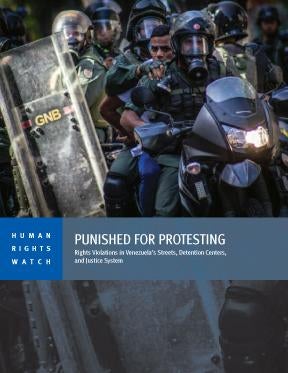
Rights Violations in Venezuela’s Streets, Detention Centers, and Justice System
This 103-page report documents 45 cases from Caracas and three states, involving more than 150 victims, in which security forces have abused the rights of protesters and other people in the vicinity of demonstrations. Security forces have also allowed armed pro-government gangs to attack unarmed civilians, and in some cases openly collaborated with the gangs.
Opposition Violence and Government Abuses in the 2014 Pre- and Post- Election Period in Bangladesh
This 64-page report details violent protests by opposition activists who called for an election boycott. On numerous occasions, opposition party members and activists threw petrol bombs at trucks, buses, and motorized rickshaws. In some cases, opposition group members forced children to carry out the attacks. In response, the government unleashed a brutal crackdown.
The 137 page report details the technologies the Ethiopian government has acquired from several countries and uses to facilitate surveillance of perceived political opponents inside the country and among the diaspora. The government’s surveillance practices violate the rights to freedom of expression, association, and access to information.