Hanoi’s Continuing Assault on Workers’ Right to Organize
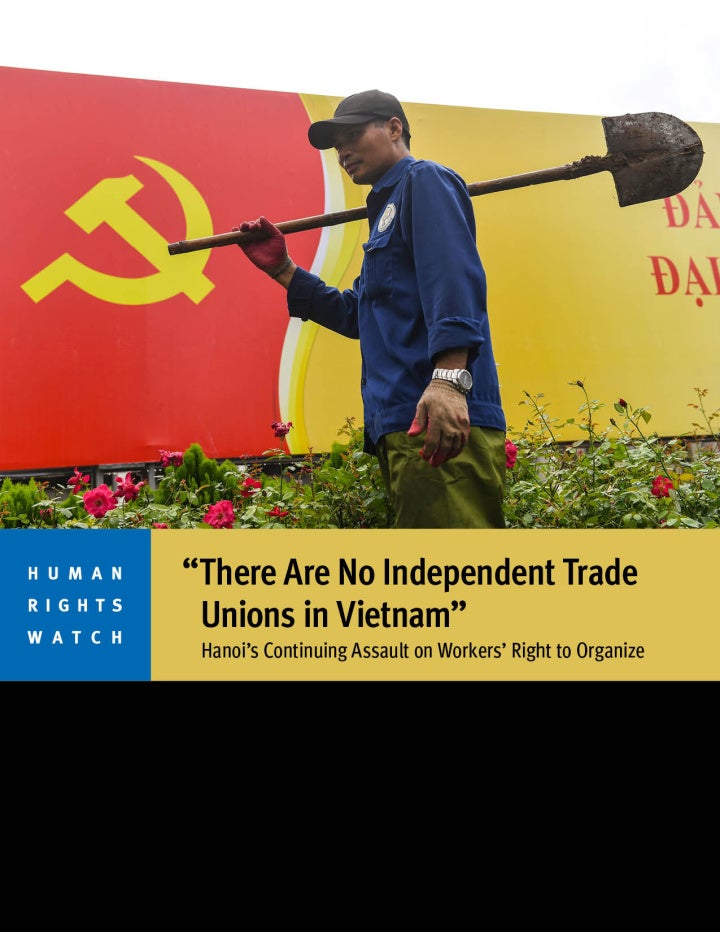
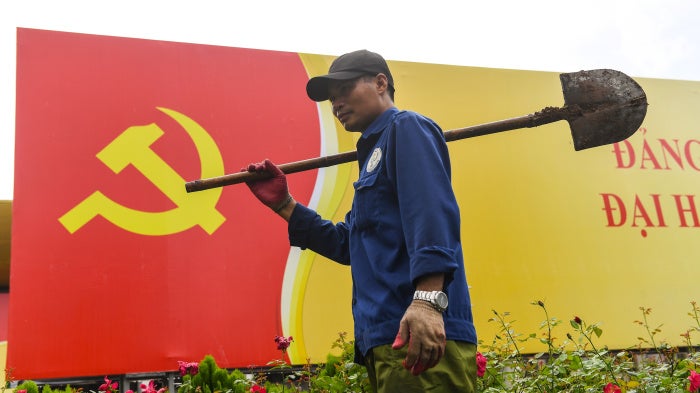
The 49-page report, “There Are No Independent Trade Unions in Vietnam: Hanoi’s Continuing Assault on Workers’ Right to Organize,” documents the Vietnamese governments’ continuing useof vague, overbroad criminal laws to suppress the activities of human rights and labor rights defenders, while maintaining an atmosphere of repression to thwart independent labor organizing. The government has issued decrees and articles in state-run media that reaffirm that all labor organizations in Vietnam are under the government’s authority, and portray independent trade unions as dangerous, anti-state entities.
Continued Human Rights Abuses by Bangladesh’s Rapid Action Battalion
This 53-page report documents abuses by RAB in and around Dhaka, the capital, under the current Awami League-led government. Nearly 200 people have been killed in RAB operations since January 6, 2009, when the government assumed office.
Family Violence in Turkey and Access to Protection
This report documents brutal and long-lasting violence against women and girls by husbands, partners, and family members and the survivors’ struggle to seek protection. Turkey has strong protection laws, setting out requirements for shelters for abused women and protection orders.
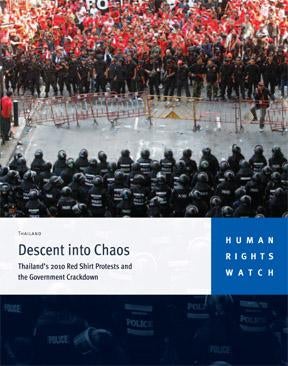
Thailand’s 2010 Red Shirt Protests and the Government Crackdown
This report provides the most detailed account yet of violence and human rights abuses by both sides during and after massive protests in Bangkok and other parts of Thailand in 2010.
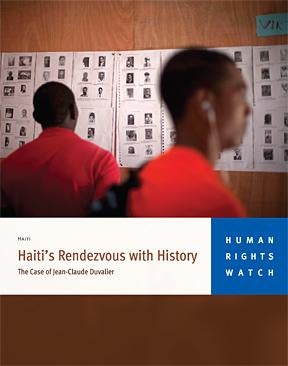
This 47-page report examines the legal and practical questions surrounding the case and concludes that Haiti has an obligation under international law to investigate and prosecute the grave violations of human rights under Duvalier's rule.
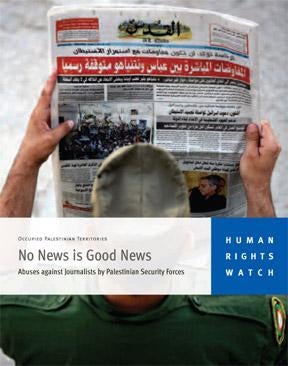
Abuses against Journalists by Palestinian Security Forces
This report documents cases in which security forces tortured, beat, and arbitrarily detained journalists, confiscated their equipment, and barred them from leaving the West Bank and Gaza.
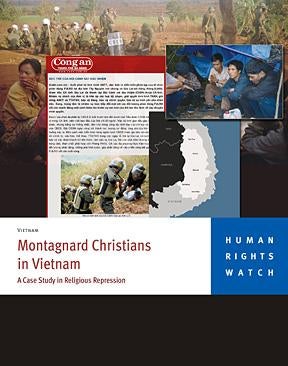
This 46-page report details the latest government crackdowns on these indigenous peoples, known collectively as Montagnards. The report documents police sweeps to root out Montagnards in hiding. It details how the authorities have dissolved house church gatherings, orchestrated coerced renunciations of faith, and sealed off the border to prevent asylum seekers from fleeing to Cambodia.
Torture and Illegal Detention by Uganda’s Rapid Response Unit
The 59-page report documents the unit’s illegal methods of investigation and serious violations of the rights of the people it arrests and detains. The unit has a history of violent and unlawful operations since it was formed by President Yoweri Museveni in 2002 as Operation Wembley, an ad-hoc security entity commanded by an active member of the Ugandan military.
This report documents the state’s failure to take effective measures against hate crimes. Prosecutions for racially-motivated violence are rare, with Italian officials downplaying the extent of the problem and failing consistently to condemn attacks. Insufficient training of law enforcement and judiciary personnel and incomplete data collection compound the problem.
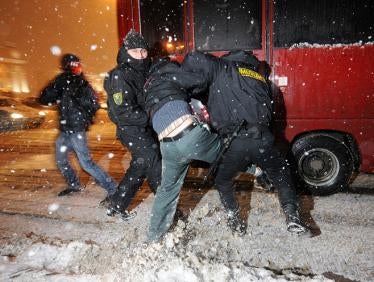
The 31-page report documents the human rights violations that have occurred since the election – including persecution of opposition candidates and activists, abuse of detainees, trials behind closed doors, and raids on human rights organizations.
Enforcement of an Islamic Dress Code for Women in Chechnya
This report documents acts of violence, harassment, and threats against women in Chechnya to intimidate them into wearing a headscarf or dressing more “modestly,” in long skirts and sleeves to cover their limbs. The documented attacks by unidentified men believed to be law enforcement officials took place from June through September 2010 in the center of Grozny, the Chechen capital.
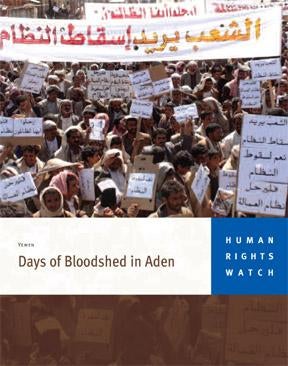
This report documents attacks on protesters in the strategic port city of Aden from February 16 to 25. Human Rights Watch found that police and military forces also chased and shot at protesters trying to flee the assaults.
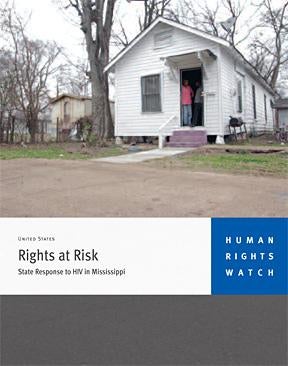
This 59-page report documents the harmful impact of Mississippi's policies on state residents, including people living with HIV and those at high risk of contracting it. Mississippi refuses to provide complete, accurate information about HIV prevention to students and threatens criminal penalties for failing to disclose one's HIV status to sexual partners.
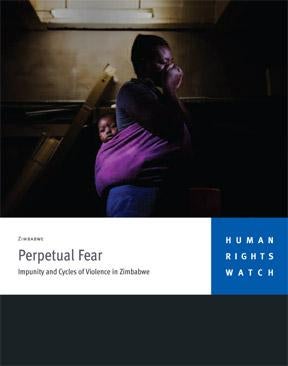
This report examines the lack of justice in several illustrative cases of political killings, torture, and abductions by government security forces and their allies during and after the presidential election run-off in 2008.
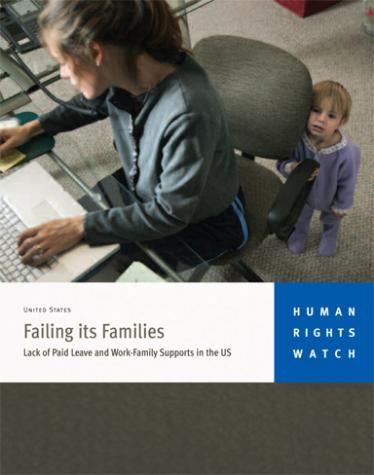
Lack of Paid Leave and Work-Family Supports in the US
This report is based on interviews with 64 parents across the country. It documents the health and financial impact on American workers of having little or no paid family leave after childbirth or adoption, employer reticence to offer breastfeeding support or flexible schedules, and workplace discrimination against new parents, especially mothers.
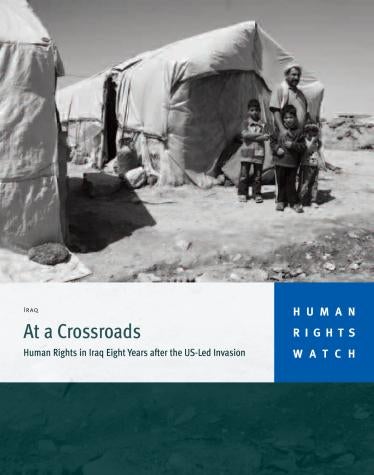
Human Rights in Iraq Eight Years after the US-Led Invasion
This 102-page report calls on the government to protect the rights of vulnerable groups and to amend its penal code and all other laws that discriminate against women and violate freedom of speech. The report also urges Baghdad to open independent and impartial investigations into all allegations of abuse against detainees, minorities, and journalists.