The Inhumane Effects of White Phosphorus Munitions and the Need for Stronger Law
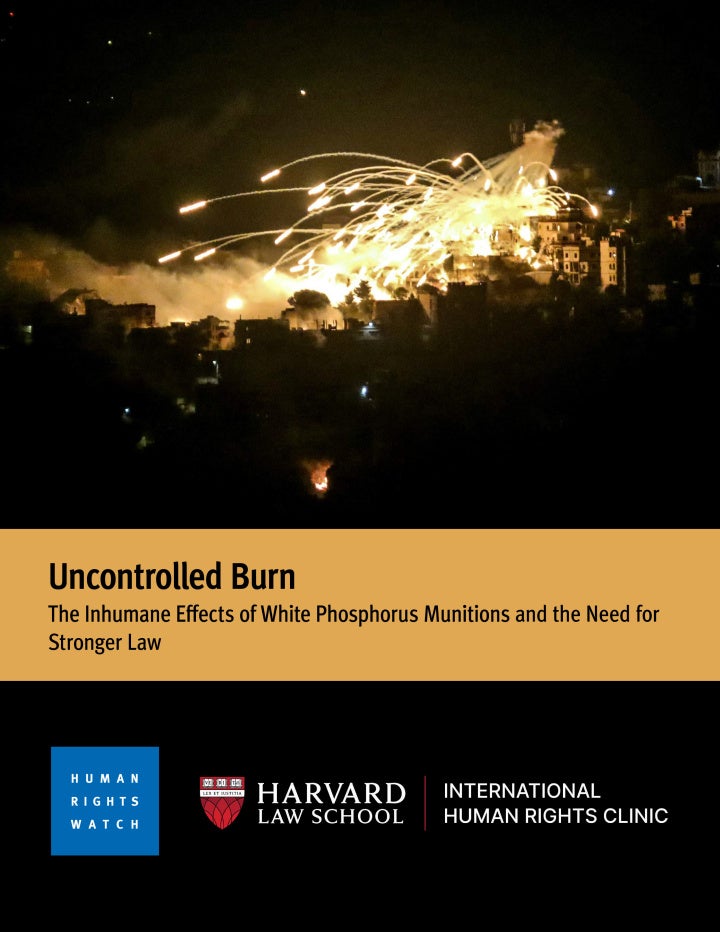
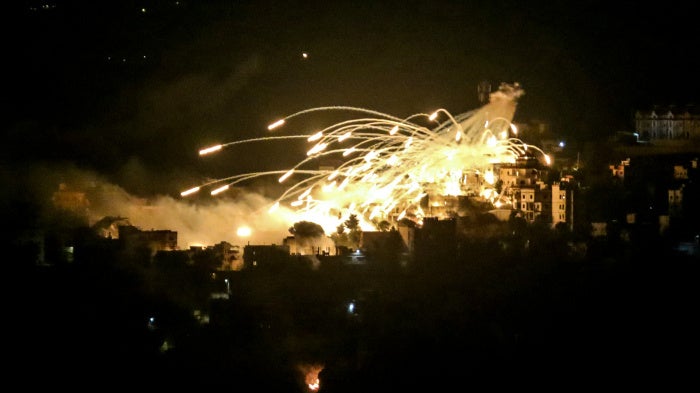
The 45-page report, “Uncontrolled Burn: The Inhumane Effects of White Phosphorus Munitions and the Need for Stronger Law,” documents 23 verified incidents of Israeli use in southern Lebanon between March and May 2026. The report also details the horrific harm the munitions have caused in armed conflicts in recent years. White phosphorus munitions, which produce fire when their payload is exposed to oxygen, are not currently regulated by a specific treaty.
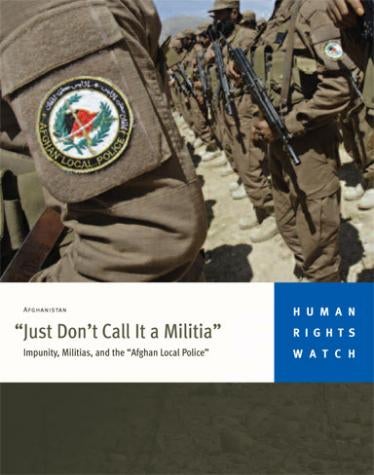
This report documents serious abuses, such as killings, rape, arbitrary detention, abductions, forcible land grabs, and illegal raids by irregular armed groups in northern Kunduz province and the Afghan Local Police (ALP) force in Baghlan, Herat, and Uruzgan provinces.
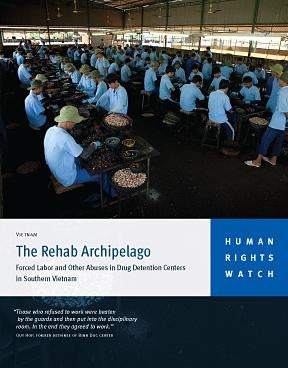
Forced Labor and Other Abuses in Drug Detention Centers in Southern Vietnam
The 121-page report documents the experiences of people confined to 14 detention centers under the authority of the Ho Chi Minh City government. Refusing to work, or violating center rules, results in punishment that in some cases is torture.
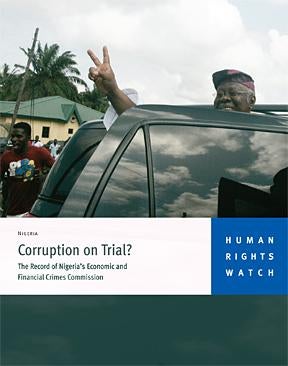
The Record of Nigeria’s Economic and Financial Crimes Commission
This 65-page report analyzes the record of the commission, Nigeria’s most important anti-corruption agency. Since the commission was established in December 2002, it has publicly challenged the longtime ironclad impunity of Nigeria’s political elite – an accomplishment without precedent in Nigeria.
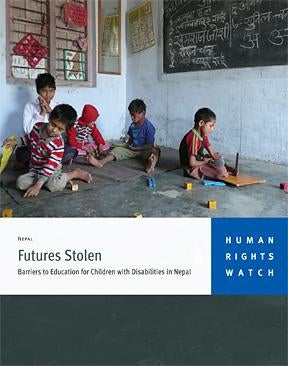
Barriers to Education for Children with Disabilities in Nepal
This 76-page report documents the hurdles that children with disabilities face in obtaining a quality education in Nepal. Some children with disabilities experience abuse and neglect at home and in their communities, making it harder for them to gain access to schooling.
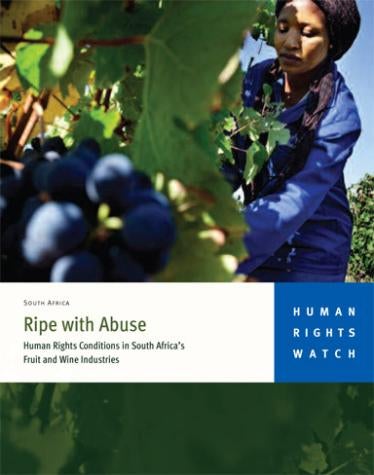
Human Rights Conditions in South Africa’s Fruit and Wine Industries
This report documents conditions that include on-site housing that is unfit for living, exposure to pesticides without proper safety equipment, lack of access to toilets or drinking water while working, and efforts to block workers from forming unions.
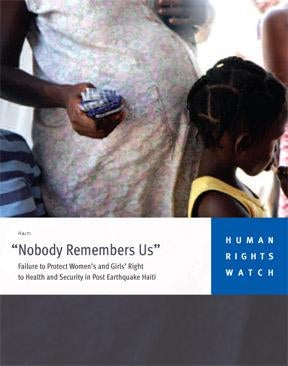
Failure to Protect Women’s and Girls’ Right to Health and Security in Post-Earthquake Haiti
This documents the lack of access to reproductive and maternal care in post-earthquake Haiti, even with unprecedented availability of free healthcare services. The report also describes how hunger has led women to trade sex for food and how poor camp conditions exacerbate the impact of sexual violence because of difficulties accessing post-rape care.
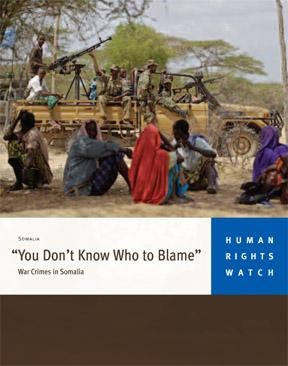
This report documents numerous abuses during renewed fighting in the past year by parties to the 20-year-long conflict in Somalia. These include the Islamist armed group al-Shabaab, the Somali Transitional Federal Government (TFG), the African Union peacekeeping forces (AMISOM), and Kenya- and Ethiopia-backed Somali militias.
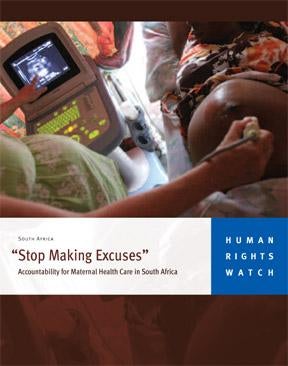
Accountability for Maternal Health Care in South Africa
This report documents maternity care failures that include abuse of maternity patients by health workers and substandard care in Eastern Cape Province, putting women and their newborns at high risk of death or injury. It examines shortcomings in the tools used by health authorities to identify and correct health system failures that contribute to poor maternal health.
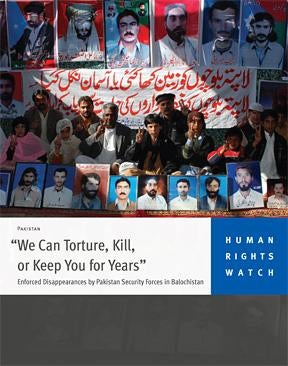
Enforced Disappearances by Pakistan Security Forces in Balochistan
The 132-page report documents dozens of enforced disappearances, in which the authorities take people into custody and then deny all responsibility or knowledge of their fate or whereabouts. The report details 45 alleged cases of enforced disappearances, the majority in 2009 and 2010.
Addressing Uganda’s Unlawful Prosecutions of Civilians in Military Courts
This report documents the pattern of trials of civilians before military courts, the ways in which such trials violate international legal principles, and the steps Uganda should take to address these fair-trial violations. Since 2002, military courts in Uganda have prosecuted over 1,000 civilians on charges under the criminal code, such as murder and armed robbery.
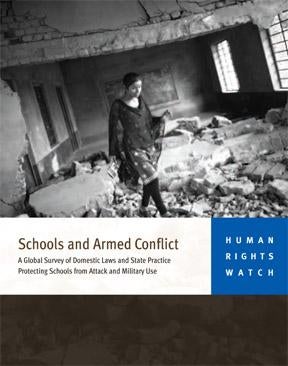
A Global Survey of Domestic Laws and State Practice Protecting Schools from Attack and Military Use
This 162-page report examines domestic laws and military policies in 56 countries around the world. Governments have been slow to update and align their domestic legislation with the explicit prohibitions on attacks on schools under international criminal law, Human Rights Watch said.
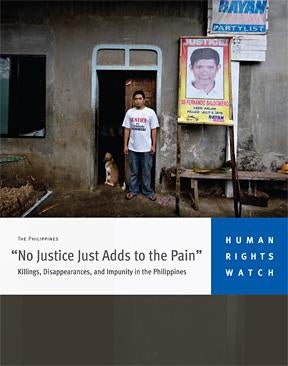
Killings, Disappearances, and Impunity in the Philippines
This 96-page report details strong evidence of military involvement in seven killings and three enforced disappearances of leftist activists since President Benigno Aquino III took office on June 30, 2010.
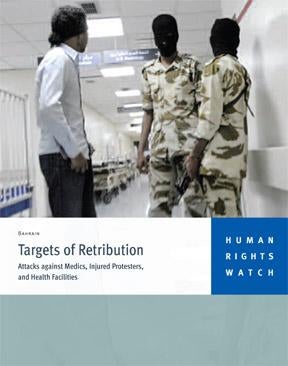
Attacks against Medics, Injured Protesters, and Health Facilities
This report documents serious government abuses, starting in mid-February 2011. These include attacks on health care providers; denial of medical access to protesters injured by security forces; the siege of hospitals and health centers; and the detention, ill-treatment, torture, and prosecution of medics and patients with protest-related injuries.
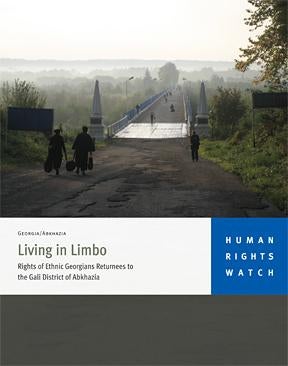
Rights of Ethnic Georgians Returnees to the Gali District of Abkhazia
This 71-page report documents the arbitrary interference by Abkhazia's de facto authorities with returnees' rights to freedom of movement, education, and other political and economic rights.
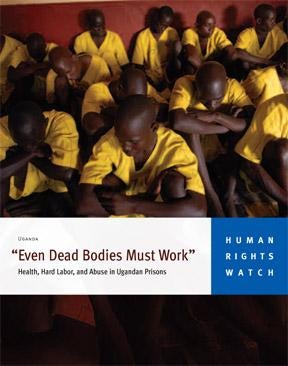
This 80-page report documents routine physical abuse and the failure of the criminal justice system to protect the rights of prisoners. Prisoners at rural prisons, including the elderly, individuals with disabilities, and pregnant women, are frequently caned, or are even stoned, handcuffed to a tree, or burned, when they refuse to perform hard labor.