The Inhumane Effects of White Phosphorus Munitions and the Need for Stronger Law
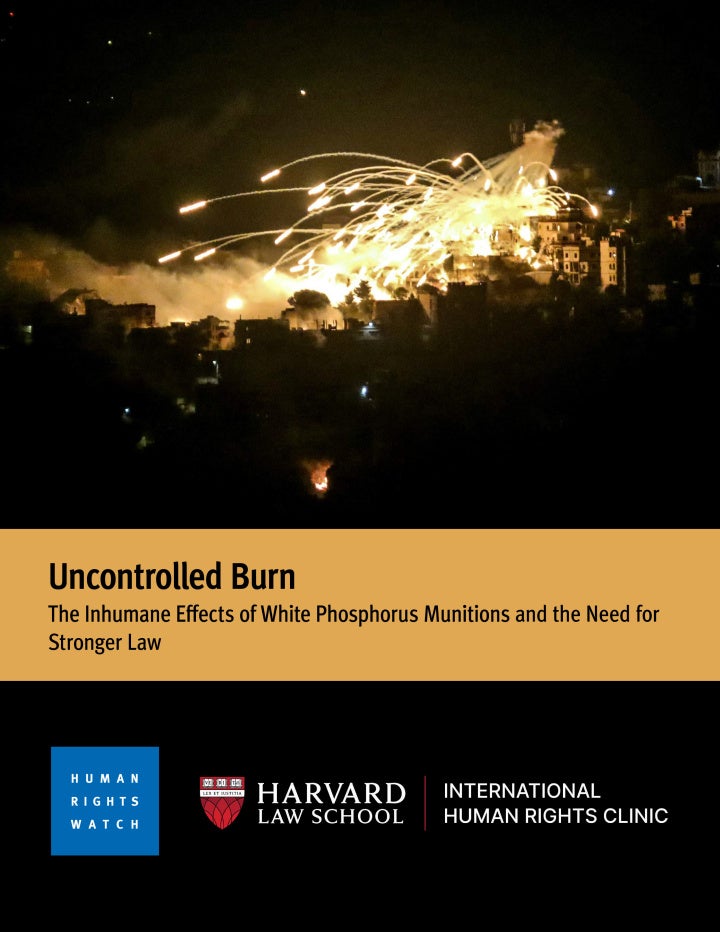
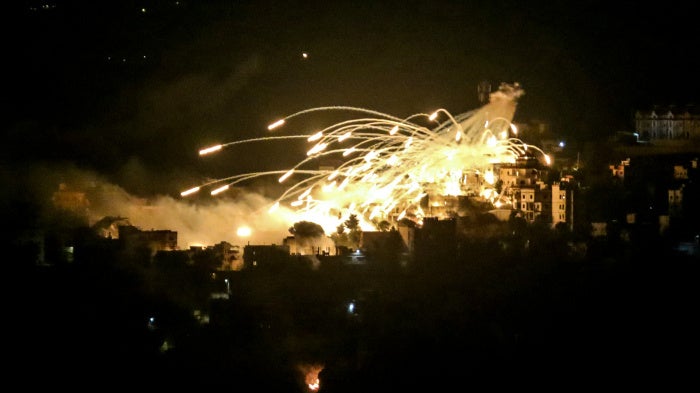
The 45-page report, “Uncontrolled Burn: The Inhumane Effects of White Phosphorus Munitions and the Need for Stronger Law,” documents 23 verified incidents of Israeli use in southern Lebanon between March and May 2026. The report also details the horrific harm the munitions have caused in armed conflicts in recent years. White phosphorus munitions, which produce fire when their payload is exposed to oxygen, are not currently regulated by a specific treaty.
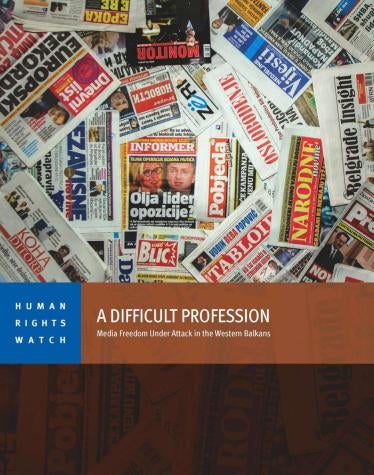
This 69-page report documents physical attacks and threats, including death threats, punitive lawsuits, and smear campaigns targeting journalists in Bosnia and Herzegovina, Kosovo, Montenegro, and Serbia. The report is based on interviews with 86 journalists, most of whom report on sensitive issues such as war crimes and corruption, in the four Western Balkan countries. Human Rights Watch also documented several cases of cyberattacks against online media outlets critical of the governments. None of the countries are adequately investigating or prosecuting the attacks on journalists, Human Rights Watch found.
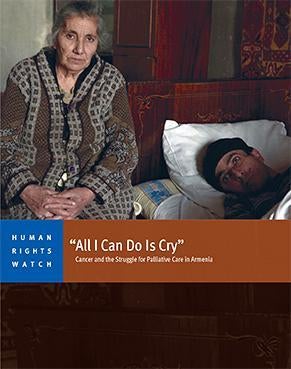
Cancer and the Struggle for Palliative Care in Armenia
This 86-page report describes the devastating impact of the lack of palliative care on people with advanced cancer and their families. It documents the overall lack of palliative care services in Armenia and the government’s overly restrictive regulations for getting strong pain medication. It also describes ingrained practices among healthcare professionals that impede adequate pain relief, and the lack of training and education of healthcare professionals in palliative care.
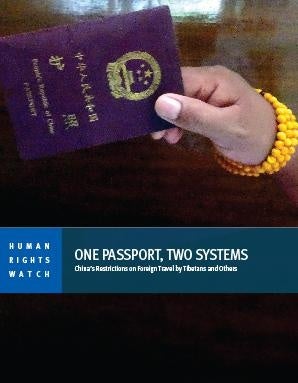
China’s Restrictions on Foreign Travel by Tibetans and Others
This 53-page report shows the evolution of a discriminatory two-track system for passports applications: a fast-track system is available in areas that are largely populated by the country’s ethnic Chinese majority, but only a slow-track system is allowed for those in most ethnic and religious minority areas.
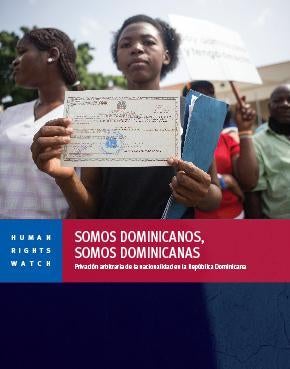
Arbitrary Deprivation of Nationality in the Dominican Republic
This 48-page report documents hundreds of cases from 13 provinces around the country. Human Rights Watch found that Dominicans of Haitian descent are still unable to access basic civic functions such as registering children at birth, enrolling in school and college, participating in the formal economy, or travelling around the country without risk of expulsion.
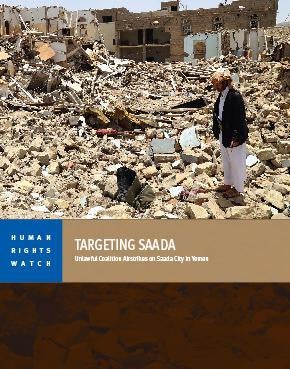
Unlawful Coalition Airstrikes on Saada City in Yemen
This 47-page report documents a dozen airstrikes on the Houthi stronghold that destroyed or damaged civilian homes, five markets, a school, and a petrol station, though there was no evidence these sites were being used for military purposes. These strikes killed 59 people, reported to have been civilians between April 6 and May 11. At least 35 children were among those killed.
This 33-page report is based on official Vietnamese media reports and Human Rights Watch interviews with Montagnards seeking asylum abroad. It describes religious and political persecution of Montagnards, highlanders who practice De Ga and Ha Mon forms of Christianity that the government calls “evil way” religions.
This 25-page report describes in words and photographs serious violations of the rights of the Moken by state authorities – particularly the Burmese navy – including extortion, bribery, arbitrary arrest, and confiscation of property. Human Rights Watch also examines tightening immigration and maritime conservation laws that threaten their freedom of movement and traditional lifestyle. Most Moken are stateless, making them extremely vulnerable to human rights abuse and depriving them of access to medical care, education, and employment opportunities.
Evidence of Senior Army Officers’ Responsibility for False Positive Killings in Colombia
This 95-page report presents evidence strongly suggesting that numerous generals and colonels knew or should have known about false positive killings, and may have ordered or otherwise actively furthered them. Prosecutors are investigating at least 3,000 of these cases, in which army troops under pressure to boost body counts in their war against armed guerrilla groups killed civilians and reported them as combat fatalities. Hundreds of lower-ranking soldiers have been convicted, but just a handful of colonels and no generals.
Reprisals against Critics of World Bank Group Projects
This report details how governments and powerful companies have threatened, intimidated, and misused criminal laws against outspoken community members who stand to be displaced or otherwise allegedly harmed by projects financed by the World Bank and its private sector lending arm, the International Finance Corporation (IFC). The World Bank and IFC have failed to take adequate steps to help create a safe environment in which people can express concern or criticism about projects funded by the Bank Group without risk of reprisal, Human Rights Watch found.
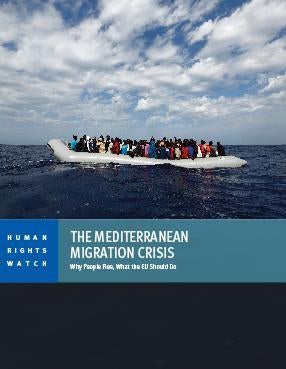
The 33-page report documents the human rights abuses driving people to make the dangerous sea crossing and the shortcomings of EU migration and asylum policies. The report is based on over 150 interviews in May with recently-arrived migrants and asylum seekers in Italy – Lampedusa, Catania, and Milan – and Greece – the islands of Lesbos, Chios, Samos, Leros, and Kos. The conclusions are also based on extensive Human Rights Watch research in Syria, Eritrea, Afghanistan, and Somalia – the home countries of many of those arriving by sea.
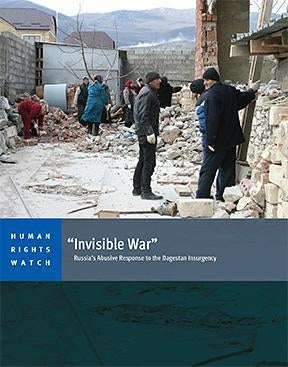
Russia’s Abusive Response to the Dagestan Insurgency
This 97-page report and an accompanying video document human rights violations in counterinsurgency efforts as well as crimes by insurgents in Dagestan from 2012 through 2014. The abuses are set against a background in which authorities treat adherents of Salafism, a fundamentalist interpretation of Sunni Islam that is increasingly popular in Dagestan, as criminal suspects despite the absence of any grounds to suspect them of a specific offense.
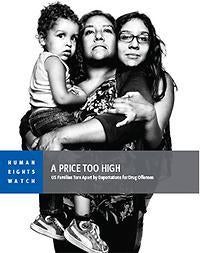
US Families Torn Apart by Deportations for Drug Offenses
This report documents how the US regularly places legal residents and other immigrants with strong ties to US families into deportation proceedings for drug offenses. Often, those offenses are decades old or so minor they resulted in little or no prison time.
The 2014 Lamu and Tana River Attacks and Kenya’s Abusive Response
This report details how during five weeks between mid-June through July 2014, armed gunmen who in most cases claimed to be part of the Somalia-based armed Islamist group Al-Shabaab, attacked a passenger bus and at least eight villages in the Kenyan coastal counties of Lamu and Tana River. The attackers killed 87 people including four security officers, and destroyed approximately 30 buildings and 50 vehicles.
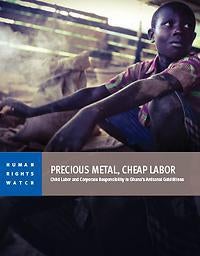
Child Labor and Corporate Responsibility in Ghana’s Artisanal Gold Mines
This 82-page report documents the use of child labor in Ghana’s artisanal, or unlicensed, mines, where most mining takes place. It is estimated that thousands of children work in hazardous conditions in violation of Ghanaian and international law. They pull the gold ore out of shafts, carry and crush loads of ore, and process it with toxic mercury.
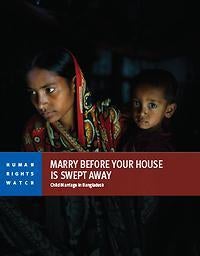
This 134-page report is based on more than a hundred interviews conducted across the country, most of them with married girls, some as young as age 10. It documents the factors driving child marriage in Bangladesh – including poverty, natural disasters, lack of access to education, social pressure, harassment, and dowry.