The Inhumane Effects of White Phosphorus Munitions and the Need for Stronger Law
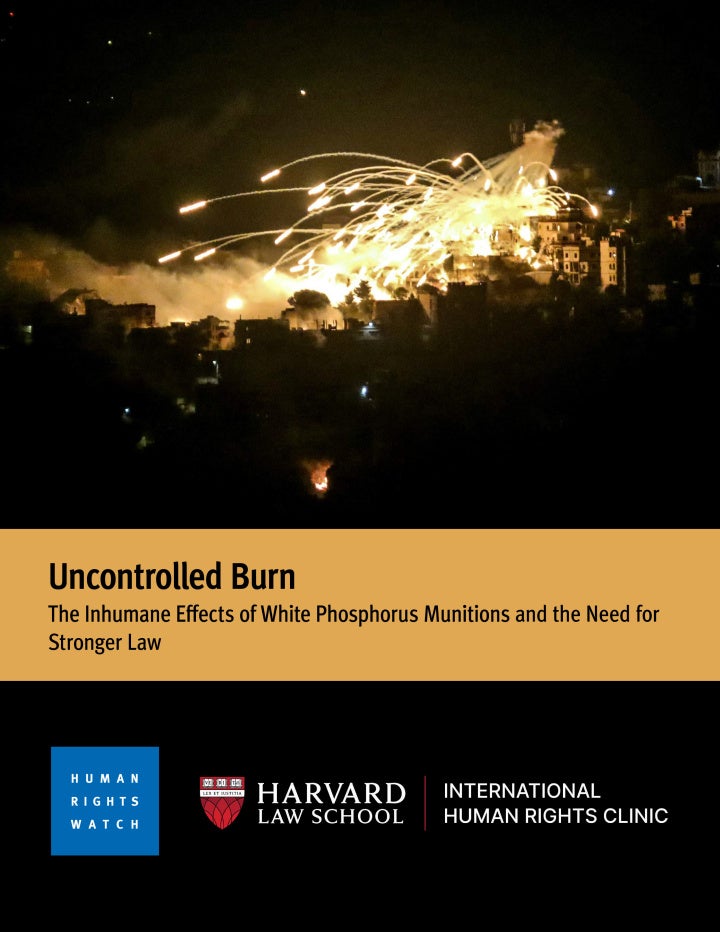
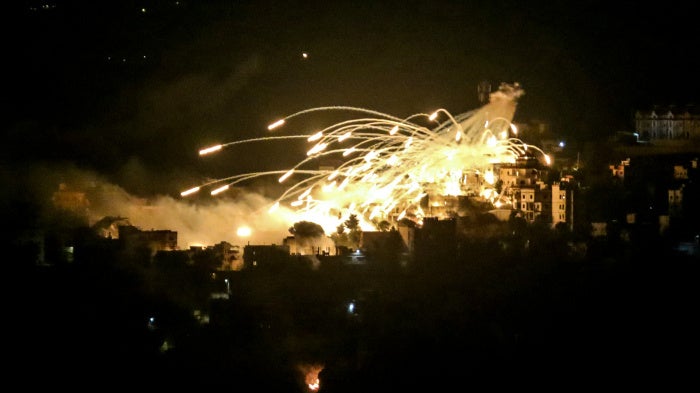
The 45-page report, “Uncontrolled Burn: The Inhumane Effects of White Phosphorus Munitions and the Need for Stronger Law,” documents 23 verified incidents of Israeli use in southern Lebanon between March and May 2026. The report also details the horrific harm the munitions have caused in armed conflicts in recent years. White phosphorus munitions, which produce fire when their payload is exposed to oxygen, are not currently regulated by a specific treaty.
Lessons from the Minova Rape Case in the Democratic Republic of Congo
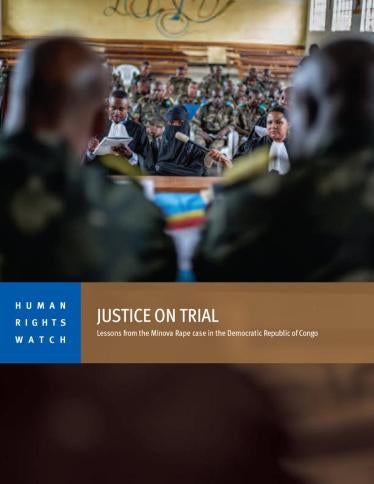
This 102-page report shows how, despite massive international support and attention, the so-called Minova rape trial failed to deliver justice for either the victims or the accused. The report describes the military justice system’s response to the rape of at least 76 women and girls by thousands of retreating army troops who rampaged through the small market town of Minova and neighboring villages in eastern Congo in November 2012.
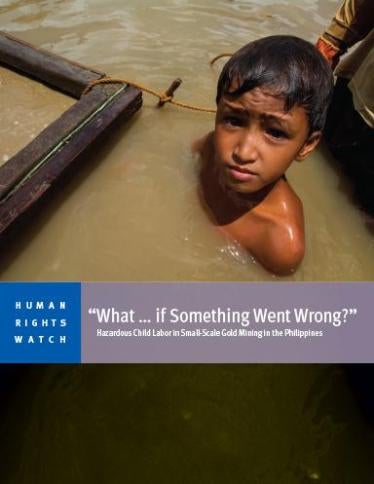
Hazardous Child Labor in Small-Scale Gold Mining in the Philippines
This 39-page report documents how thousands of Filipino children – some just 9 years old – work in illegal, small-scale gold mines, mostly financed by local businessmen. Children work in unstable 25-meter-deep pits or underwater along the coastal shore or in rivers, and process gold with mercury, a toxic metal. In September 2014, a 17-year-old boy suffocated in an underground mine because there was no machine providing oxygen. The Philippine government should act on its public commitment to end child labor in mining, Human Rights Watch said.
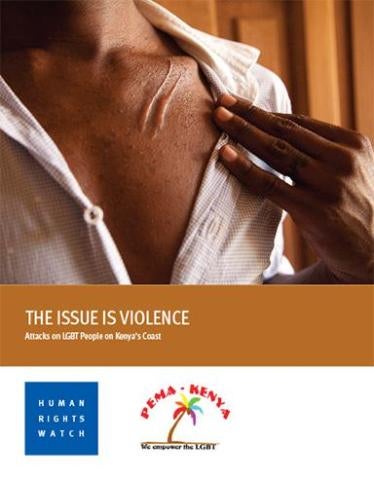
This 70-page report is based on research conducted in 2014 and 2015 by Human Rights Watch and PEMA Kenya, a community organization in Mombasa that provides support to gender and sexual minorities on human rights, health, HIV/AIDS, and economic well-being. The groups documented rights abuses against members of sexual minorities in Kenya’s coast region, including mob violence, assault, rape, incitement to violence, and inadequate protection. The groups identified ways the Kenyan authorities could improve their response to these abuses.
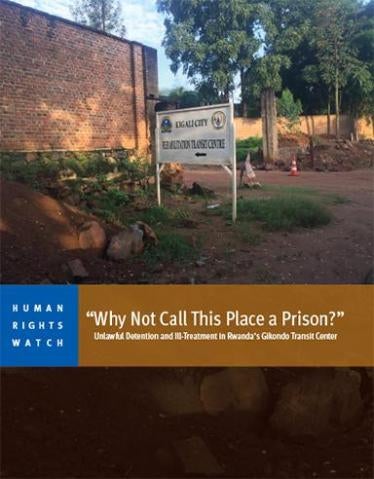
Unlawful Detention and Ill-Treatment in Rwanda’s Gikondo Transit Center
This 48-page report documents prolonged and unlawful detention in the center, in the Rwandan capital, Kigali, between 2011 and 2015. The arbitrary detention of people such as street vendors, sex workers, beggars, homeless people, and suspected petty criminals at Gikondo (known colloquially as Kwa Kabuga) reflects an unofficial policy of keeping people the authorities consider “undesirable” away from the public eye. Until 2014, many street children were also detained there.
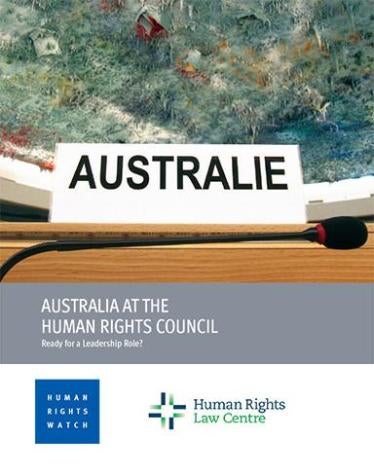
The 36-page report, “Australia at the Human Rights Council: Ready for a Leadership Role?” examines Australia’s readiness to operate effectively as a Human Rights Council member if elected. The government should demonstrate more leadership on global human rights issues, respond more constructively to concerns about its own human rights performance, and engage more closely with nongovernmental organizations, the two groups said.
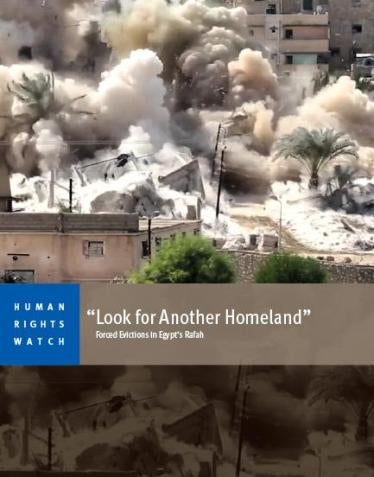
This 84-page report documents the government’s failure to provide adequately for residents during and after the evictions in North Sinai. Since July 2013, ostensibly to eliminate the threat of smuggling tunnels, the military has arbitrarily razed thousands of homes in a once-populated buffer zone on the border with the Gaza Strip, destroying entire neighborhoods and hundreds of hectares of farmland.
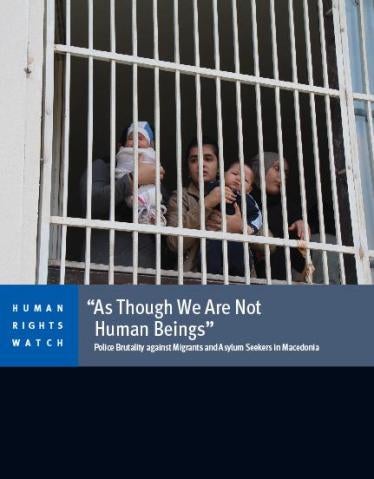
Police Brutality against Migrants and Asylum Seekers in Macedonia
The 59-page report documents physical and verbal abuse at the hands of Macedonian officials at the border with Greece, ill-treatment by police guards in the Gazi Baba detention center between June 2014 and July 2015, and the failure of the authorities to investigate or hold those responsible to account. Human Rights Watch also documented arbitrary detention of migrants and asylum seekers in inhuman and degrading conditions in Gazi Baba.
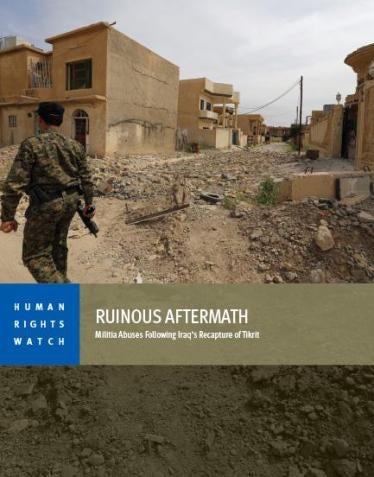
Militias Abuses Following Iraq’s Recapture of Tikrit
This 60-page report uses satellite imagery to corroborate accounts of witnesses that the damage to homes and shops in Tikrit, and the towns of al-Bu ‘Ajil, al-Alam, and al-Dur covered entire neighborhoods. After ISIS fled, Hizbollah Battalions and League of Righteous forces, two of the largely Shia pro-government militias, abducted more than 200 Sunni residents, including children, near al-Dur, south of Tikrit. At least 160 of those abducted remain unaccounted for.
This 81-page report describes the human rights situation in Gambia since President Yahya Jammeh took power in 1994 and ruthlessly repressed all forms of dissent. State security forces and shadowy paramilitary groups carry out unlawful killings and arbitrarily arrest, detain, and forcibly disappear people, causing hundreds to flee the tiny country, best known internationally as a tourist destination. Most of the abuses documented in the report are from 2013 to 2015.
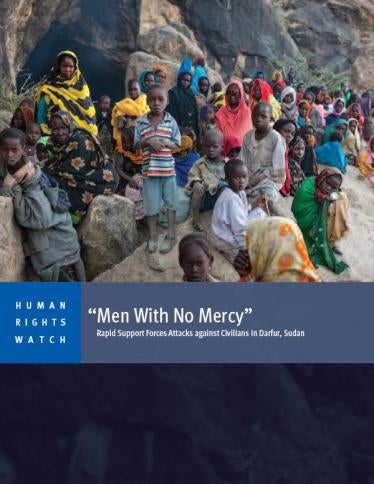
Rapid Support Forces Attacks against Civilians in Darfur, Sudan
The 88-page report documents Rapid Support Forces atrocities against civilians during two counterinsurgency campaigns in Darfur. The abuses appear to be widespread and systematic attacks on civilian populations that may constitute crimes against humanity.
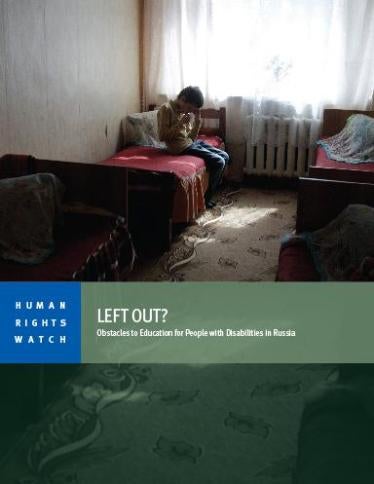
Obstacles to Education for People with Disabilities in Russia
The 45-page report found many barriers that can prevent children with disabilities from studying in mainstream schools. These include a lack of ramps or lifts to help children enter and move within buildings and the absence of accommodations such as large-print textbooks for children with low vision, assistive technology, or teachers’ aides. Infrastructure barriers and limited accessible transportation prevent some children from leaving their homes and reaching school.
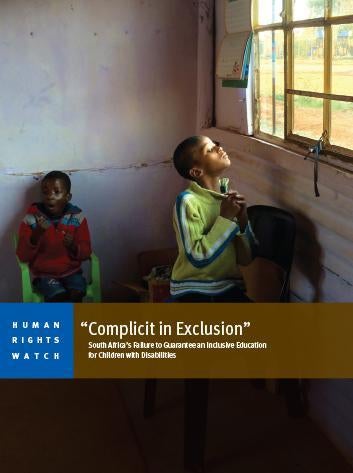
South Africa’s Failure to Guarantee an Inclusive Education for Children with Disabilities
This 94-page report found that South Africa has failed to guarantee the right to education for many of the country’s children and young adults due to widespread discrimination against children with disabilities in enrollment decisions. Human Rights Watch research in five out of South Africa’s nine provinces showed that children with disabilities face discriminatory physical and attitudinal barriers, often beginning early in children’s lives when government officials classify them according to their disabilities.
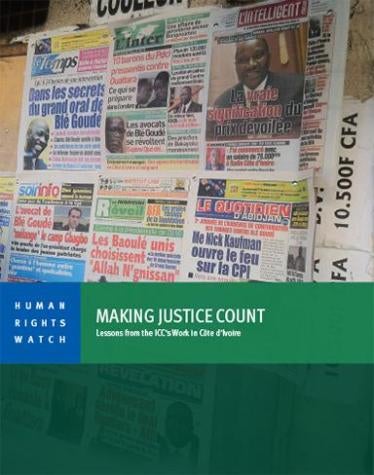
This 88-page report draws on interviews with activists, journalists, and ICC staff in Abidjan and The Hague to assess whether the ICC has done what it can to ensure that its proceedings are relevant, meaningful, and accessible to Ivorians. Human Rights Watch found that the prosecution’s decision to limit its initial investigations to one side of the country’s 2010-2011 post-election crisis was a misstep, compounded when other court staff adopted the same narrow focus in their efforts to engage Ivorians in the court’s work. This lessened the court’s potential impact in the country.
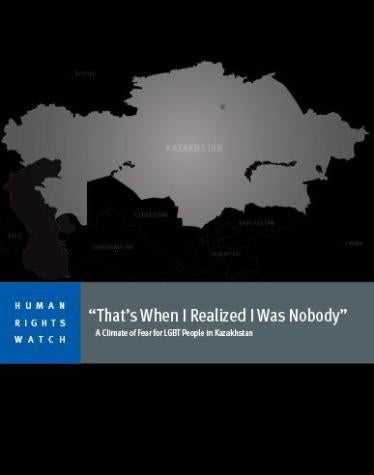
This 31-page report documents pervasive homophobic attitudes, hateful treatment, and failure of police and other government agencies to protect LGBT people in Kazakhstan. The report is based on in-depth interviews with LGBT people, activists, human rights experts, and social service and health practitioners in Kazakhstan. Human Rights Watch also analyzed the proposed “propaganda” legislation presented in Kazakhstan’s parliament early in 2015 that was later scrapped.
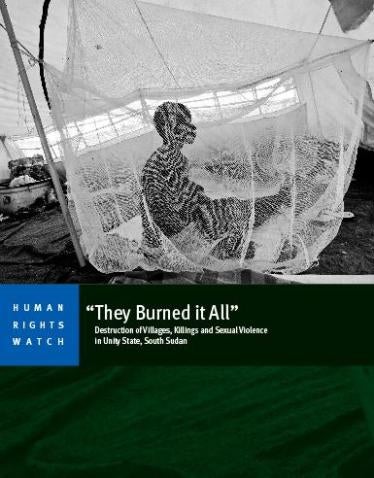
Destruction of Villages, Killings, and Sexual Violence in Unity State South Sudan
Thise 42-page report is based on more than170 interviews in June and July with survivors and witnesses. More than 125 of these were displaced by fighting or attacks on their villages by government troops or allied militia from the Bul Nuer ethnic group. Human Rights Watch documented shocking accounts of about 60 unlawful killings of civilian women, men, and children, including the elderly. Some were hanged and others shot, and others were burned alive. Interviewees were selected randomly and the number of cases documented by Human Rights Watch almost certainly represents only a fraction of the total.