The Inhumane Effects of White Phosphorus Munitions and the Need for Stronger Law
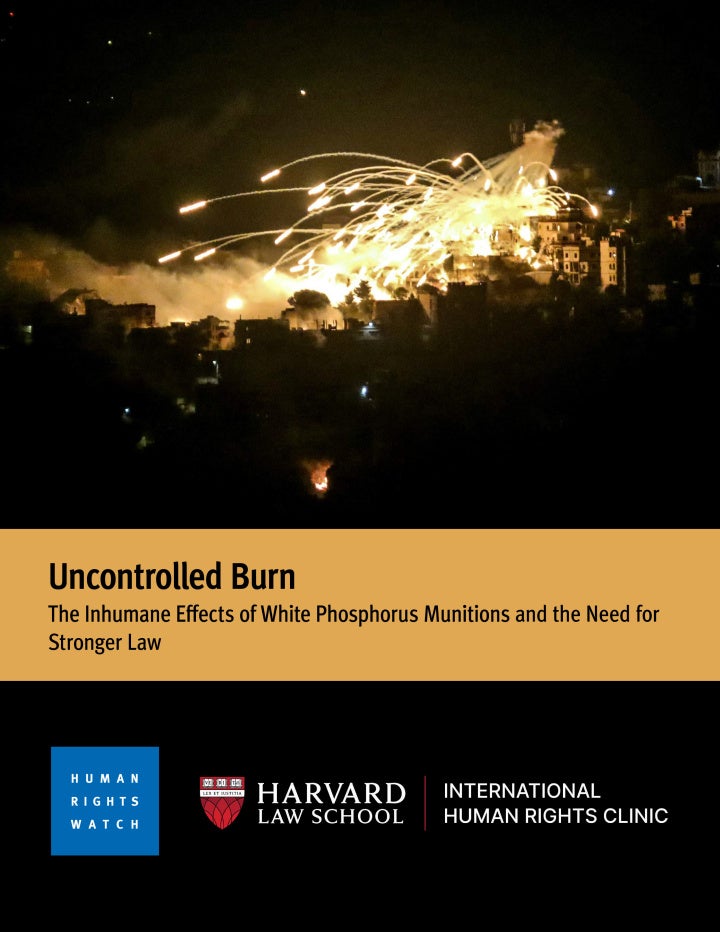
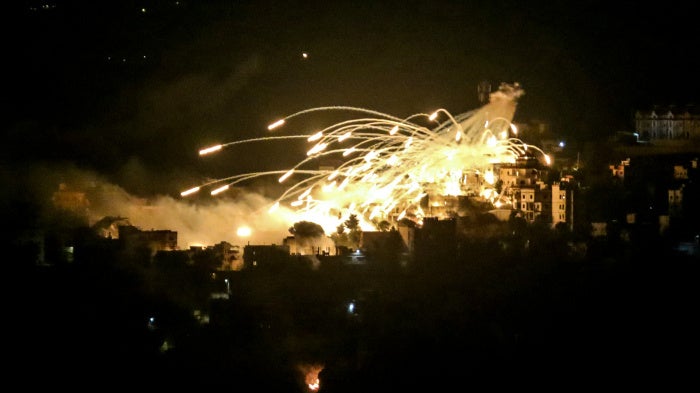
The 45-page report, “Uncontrolled Burn: The Inhumane Effects of White Phosphorus Munitions and the Need for Stronger Law,” documents 23 verified incidents of Israeli use in southern Lebanon between March and May 2026. The report also details the horrific harm the munitions have caused in armed conflicts in recent years. White phosphorus munitions, which produce fire when their payload is exposed to oxygen, are not currently regulated by a specific treaty.
In this paper, we call on the World Health Organization (WHO) to establish minimum standards for the collection of evidence in cases of sexual and domestic violence. We also call on WHO to draft a policy paper to support the effective implementation of the minimum standards.
Human immuno-deficiency virus/acquired immune deficiency syndrome (HIV/AIDS) is a national disaster for the people of Kenya, children and adults alike. Kenya is estimated to have the ninth-highest prevalence of HIV in the world with about 14 percent of the adult population infected.
Serbian and Yugoslav Forces in the Kosovo Conflict The two principal military forces in Yugoslavia in 1998 and 1999 were the Yugoslav Army (Vojska Jugoslavije, or VJ) and the Serbian Ministry of Internal Affairs (Ministarstvo Unutrasnjih Poslova, or MUP). The police of the Montenegrin Republic remained loyal to the Montenegrin government and were not active in Kosovo.
Indictees: Slobodan Milosevic, at the time President of the Federal Republic of Yugoslavia; Milan Milutinovic, the President of Serbia; Nikola Sainovic, the Deputy Prime Minister of Yugoslavia; Colonel General Dragoljub Ojdanic, the Chief of the General Staff of the Yugoslav Army; and Vlajko Stojiljkovic, the Minister of Internal Affairs of Serbia.
Abuse of Domestic Workers with Special Visas in the United States
The special visas granted to foreigners who work as household domestics in the U.S. leave them vulnerable to serious abuse, Human Rights Watch charged in a report released today. Thousands of these workers, typically women, enter the United States every year to work for diplomats, officials of international organizations, foreign businesspeople, and U.S. citizens temporarily back in the U.S.
On Tuesday May 8, 2001, the police arrested Prof. Mesfin Woldemariam, the founder and first chairman of Ethiopia's Human Rights Council (EHRCO), and Dr. Berhanu Nega, an academic and human rights activist associated with EHRCO, on claims that they instigated student protests that took place in Addis Ababa University in mid April.
The branch of international law that provides protection to the victims of armed conflict and governs its conduct is called international humanitarian law (or the "laws of war"). International humanitarian law is derived from the customary practices of states and from treaties.
The Rwandan government has violated the basic rights of tens of thousands of people by forcing them to abandon their homes in rural areas and move to makeshift dwellings in government-designated sites, Human Rights Watch charges in this report.
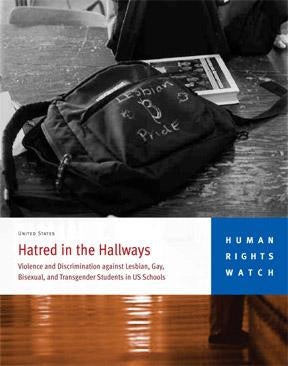
Violence and Discrimination Against Lesbian, Gay, Bisexual, and Transgender Students in U.S. Schools
In this report, Human Rights Watch documents attacks on the human rights of lesbian, gay, bisexual, and transgender youth who are subjected to abuse on a daily basis by their peers and in some cases by teachers and school administrators.
The factional struggle behind the current presidential elections in Iran is having a devastating impact on human rights, Human Rights Watch said in a new report released today.
Children and Adults forcibly recruited for Military Serivce in North Kivu
This report, based upon a mission to the region in December 2000 and subsequent research, documents an intensive campaign of forcible recruitment of adults and children begun by RCD-Goma and its Rwandan allies in the last quarter of 2000.
Russian authorities have literally buried evidence of extra-judicial executions in Chechnya, said Human Rights Watch. In this 24-page report, the organization documents the Russian government's botched investigation of a mass grave site discovered in late February 2001. This week senior European Union and United Nations officials are preparing for meetings with President Putin in Moscow.
On December 19, 2000, thirty prisoners and two gendarmes were killed when some ten thousand armed soldiers went into twenty Turkish prisons to break up a nonviolent protest by inmates and transfer them to the newly constructed F-type prisons.
This ground-breaking new report by Human Rights Watch charges that state authorities are responsible for widespread prisoner-on-prisoner sexual abuse in U.S. men's prisons. The 378-page report is based on more than three years of research and is the first national survey of prisoner-on-prisoner rape. There are some two million inmates in U.S. prisons and jails.