Arakan Army Massacre of Rohingya Muslims in Hoyyar Siri, Myanmar
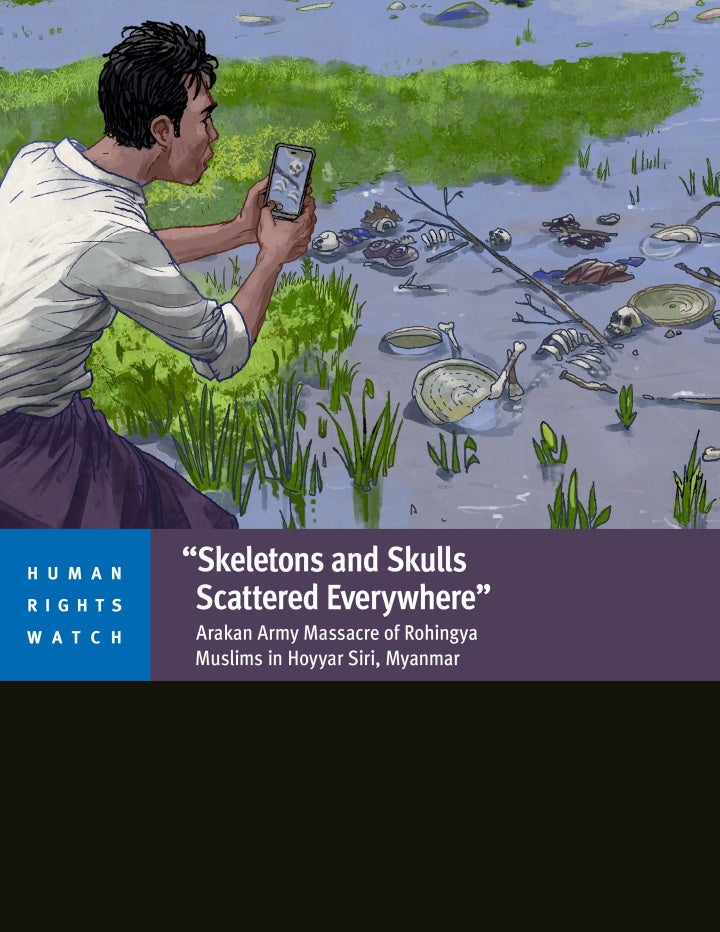
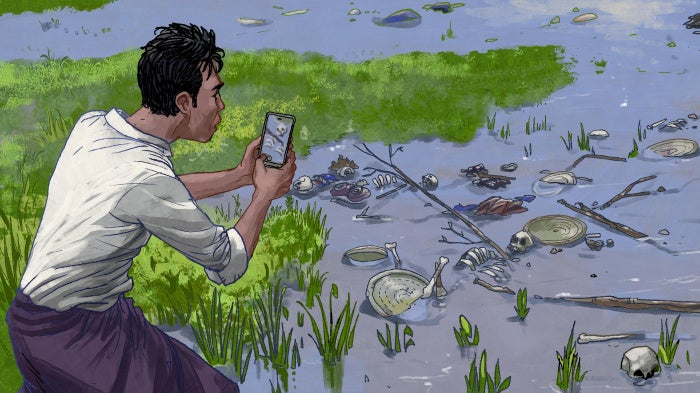
The 56-page report, “‘Skeletons and Skulls Scattered Everywhere’: Arakan Army Massacre of Rohingya Muslims in Hoyyar Siri, Myanmar,” documents the May 2, 2024 attack, in which Arakan Army fighters deliberately fired on unarmed villagers who were seeking safety after the armed group advanced on two Myanmar military bases in the vicinity. Details of the massacre only began emerging more than a year later, after some survivors fled to Bangladesh and Malaysia.
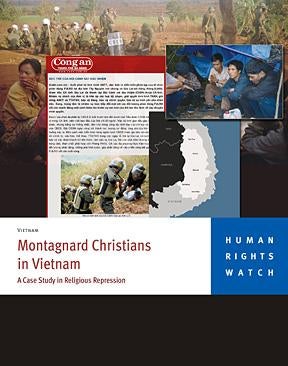
This 46-page report details the latest government crackdowns on these indigenous peoples, known collectively as Montagnards. The report documents police sweeps to root out Montagnards in hiding. It details how the authorities have dissolved house church gatherings, orchestrated coerced renunciations of faith, and sealed off the border to prevent asylum seekers from fleeing to Cambodia.
Torture and Illegal Detention by Uganda’s Rapid Response Unit
The 59-page report documents the unit’s illegal methods of investigation and serious violations of the rights of the people it arrests and detains. The unit has a history of violent and unlawful operations since it was formed by President Yoweri Museveni in 2002 as Operation Wembley, an ad-hoc security entity commanded by an active member of the Ugandan military.
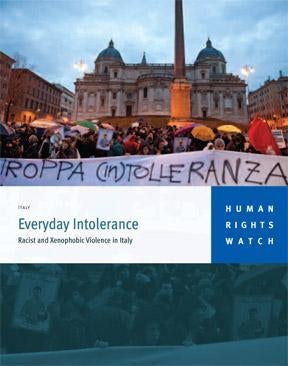
This report documents the state’s failure to take effective measures against hate crimes. Prosecutions for racially-motivated violence are rare, with Italian officials downplaying the extent of the problem and failing consistently to condemn attacks. Insufficient training of law enforcement and judiciary personnel and incomplete data collection compound the problem.
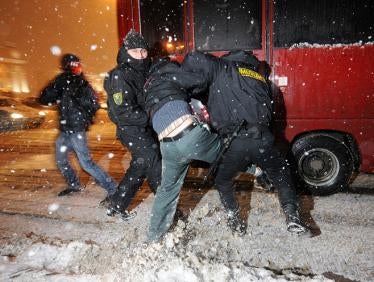
The 31-page report documents the human rights violations that have occurred since the election – including persecution of opposition candidates and activists, abuse of detainees, trials behind closed doors, and raids on human rights organizations.
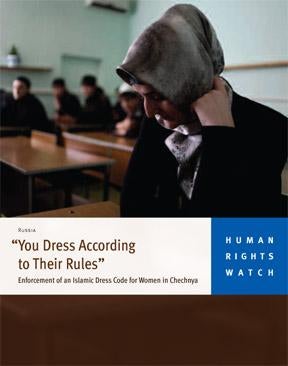
Enforcement of an Islamic Dress Code for Women in Chechnya
This report documents acts of violence, harassment, and threats against women in Chechnya to intimidate them into wearing a headscarf or dressing more “modestly,” in long skirts and sleeves to cover their limbs. The documented attacks by unidentified men believed to be law enforcement officials took place from June through September 2010 in the center of Grozny, the Chechen capital.
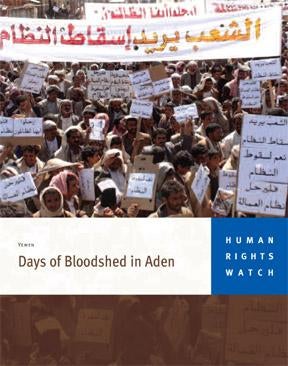
This report documents attacks on protesters in the strategic port city of Aden from February 16 to 25. Human Rights Watch found that police and military forces also chased and shot at protesters trying to flee the assaults.
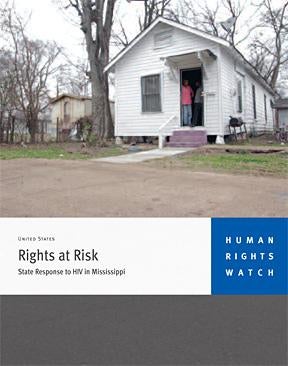
This 59-page report documents the harmful impact of Mississippi's policies on state residents, including people living with HIV and those at high risk of contracting it. Mississippi refuses to provide complete, accurate information about HIV prevention to students and threatens criminal penalties for failing to disclose one's HIV status to sexual partners.
This report examines the lack of justice in several illustrative cases of political killings, torture, and abductions by government security forces and their allies during and after the presidential election run-off in 2008.
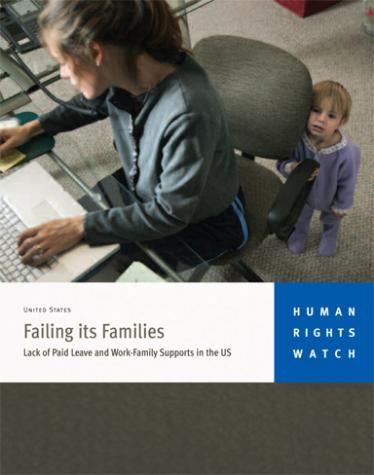
Lack of Paid Leave and Work-Family Supports in the US
This report is based on interviews with 64 parents across the country. It documents the health and financial impact on American workers of having little or no paid family leave after childbirth or adoption, employer reticence to offer breastfeeding support or flexible schedules, and workplace discrimination against new parents, especially mothers.
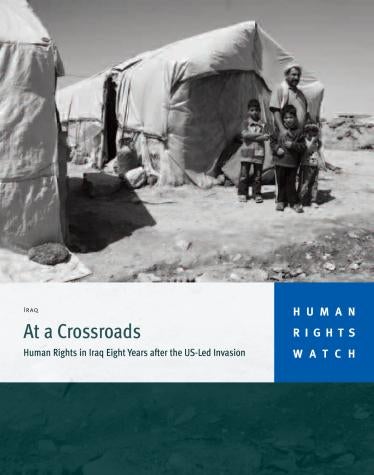
Human Rights in Iraq Eight Years after the US-Led Invasion
This 102-page report calls on the government to protect the rights of vulnerable groups and to amend its penal code and all other laws that discriminate against women and violate freedom of speech. The report also urges Baghdad to open independent and impartial investigations into all allegations of abuse against detainees, minorities, and journalists.
Arbitrary Detention and Torture of Terrorism Suspects in India
This 106-page report documents consistent abuse by Indian security forces in their response to the scourge of terrorism attacks. State police, jail officials, and other authorities have committed a range of human rights violations, including arbitrary arrest and detention, torture, and religious discrimination.
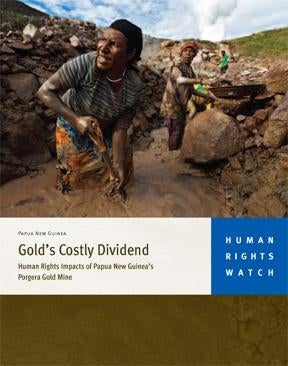
Human Rights Impacts of Papua New Guinea’s Porgera Gold Mine
This report identifies systemic failures on the part of Toronto-based Barrick Gold that kept the company from recognizing the risk of abuses, and responding to allegations that abuses had occurred.
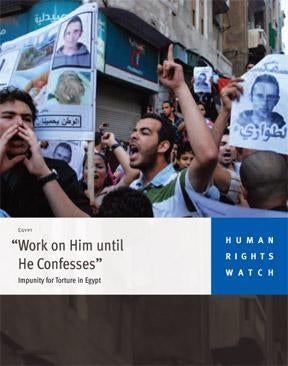
This report documents how President Hosni Mubarak’s government implicitly condones police abuse by failing to ensure that law enforcement officials accused of torture are investigated and criminally prosecuted, leaving victims without a remedy.
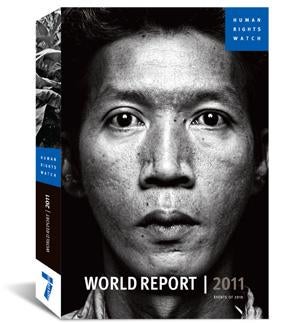
This 21st annual World Report summarizes human rights conditions in more than 90 countries and territories worldwide. It reflects extensive investigative work undertaken in 2010 by Human Rights Watch staff, usually in close partnership with domestic human rights activists.
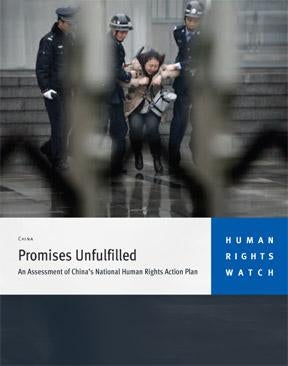
An Assessment of China’s National Human Rights Action Plan
This 67-page report details how despite the Chinese government's progress in protection of some economic and social rights, it has undermined many of the key goals of the National Human Rights Action Plan (NHRAP) by tightening restrictions on rights of expression, association, and assembly over the past two years.