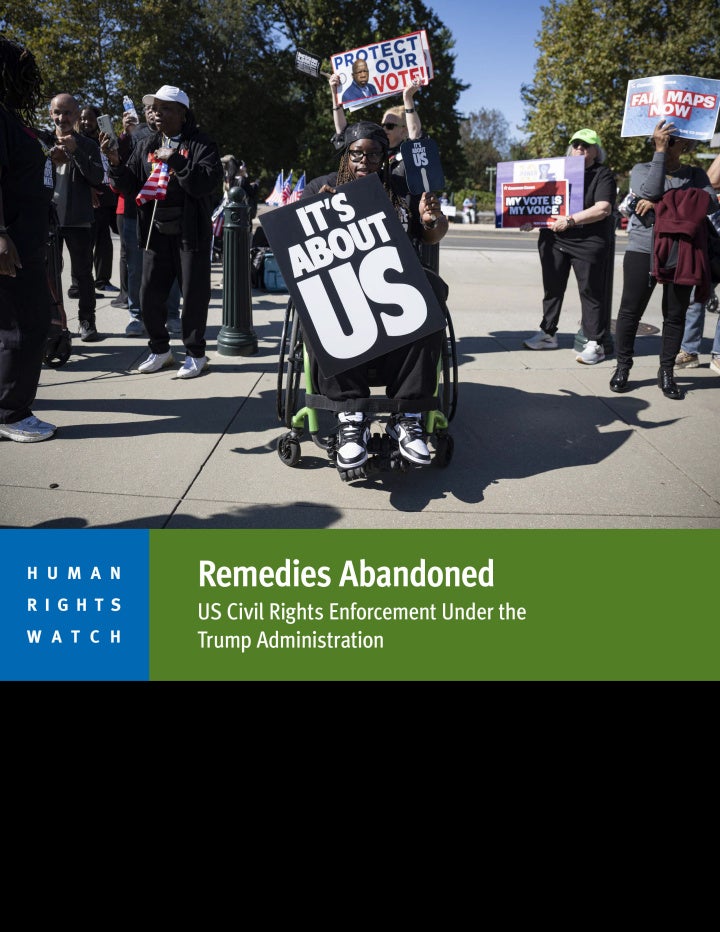
US Civil Rights Enforcement Under the Trump Administration
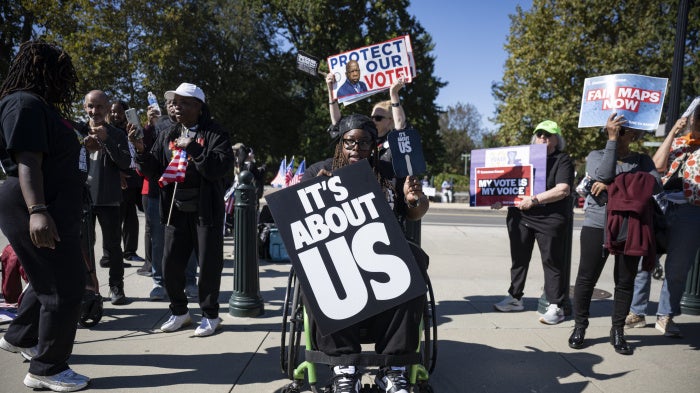
The 112-page report, “Remedies Abandoned: US Civil Rights Enforcement Under the Trump Administration,” documents the administration’s efforts to unravel the work of four key agencies between January 2025 and the spring of 2026: the Justice Department’s Civil Rights Division, which lost about 75 percent of its attorneys; the Education Department’s Office of Civil Rights, which moved to lay off nearly half its staff in one day and closed 7 of its 12 regional offices; the Housing and Urban Development Department’s Fair Housing Office, which shrank dramatically; and the Equal Employment Opportunity Commission, which reached its lowest staffing levels in over 40 years.
Human Rights Abuses and Flawed Electoral Conditions in Zimbabwe’s Coming General Elections
In this 59-page report, Human Rights Watch documents how the government and the ruling party ZANU-PF, in the run up to the 2008 elections, have engaged in widespread intimidation of the opposition; have restricted freedom of association and assembly; and have manipulated food and farming equipment distribution to gain political advantage.
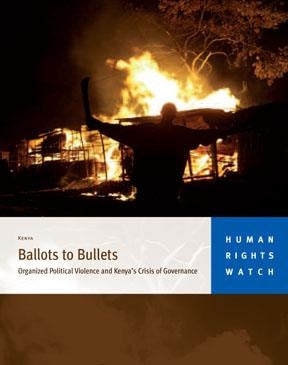
Organized Political Violence and Kenya's Crisis of Governance
This 81-page report documents how hundreds of lives were lost due to organized political and ethnic violence sparked by irregularities in the December 2007 presidential elections. The report also describes unlawful killings by the Kenyan police, who used excessive force in responding to demonstrations, killing hundreds of people.
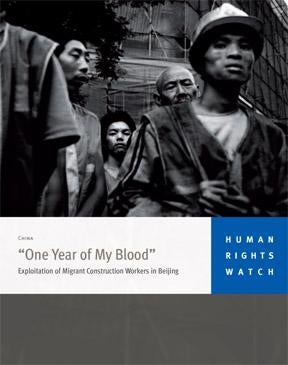
Exploitation of Migrant Construction Workers in Beijing
This 61-page report documents the Chinese government’s failure to fulfill long-repeated promises to protect the rights of migrant construction workers, as well as to end deprivations caused by the discriminatory nature of China’s household registration (hukou) system. An estimated 1 million migrant construction workers, hailing from other parts of China, make up nearly 90 percent of Beijing’s construction workforce.
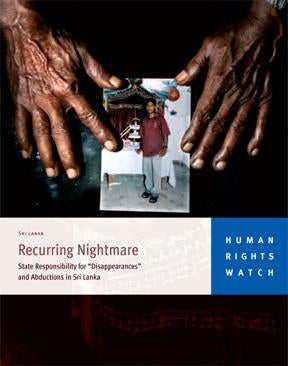
State Responsibility for “Disappearances” and Abductions in Sri Lanka
This 241-page report documents 99 of the several hundred cases reported, and examines the Sri Lankan government’s response, which to date has been grossly inadequate. In 2006 and 2007, the United Nations Working Group on Enforced and Involuntary Disappearances recorded more new “disappearance” cases from Sri Lanka than from any other country in the world.
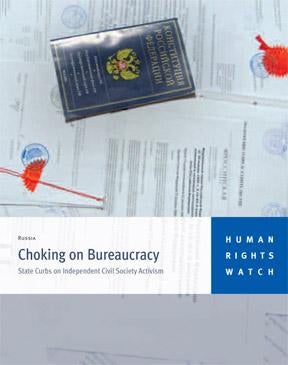
This 72-page report documents how these regulations have targeted various NGOs that work on controversial issues, seek to galvanize public dissent, or receive foreign funding.
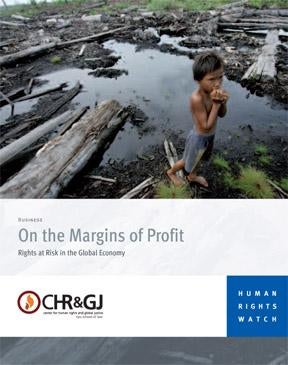
This 53-page report was jointly prepared by Human Rights Watch and the Center for Human Rights and Global Justice. It illustrates how everyday business decisions have significant implications for the human rights of workers, local communities, suppliers, and consumers.
Israel’s Use of Cluster Munitions in Lebanon in July and August 2006
In this 131-page report, Human Rights Watch found that Israel violated international humanitarian law in its indiscriminate and disproportionate cluster munition attacks on Lebanon. The report provides the most comprehensive and detailed account yet of the nature and impact of Israel’s use of cluster munitions.
This memorandum identifies seven of the most pressing human rights concerns in Kosovo today. To help identify the key concerns, Human Rights Watch consulted human rights groups across Kosovo’s different ethnic communities
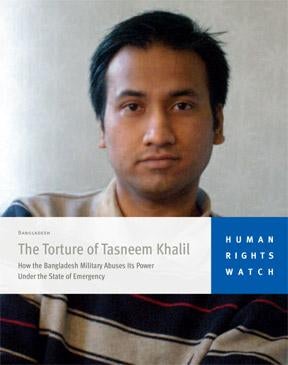
How the Bangladesh Military Abuses Its Power under the State of Emergency
This 39-page report graphically details Khalil’s 22-hour ordeal in May 2007 in Bangladesh’s clandestine detention and torture system – a setup well known to the government, ordinary Bangladeshis, Dhaka’s donors and diplomatic community.
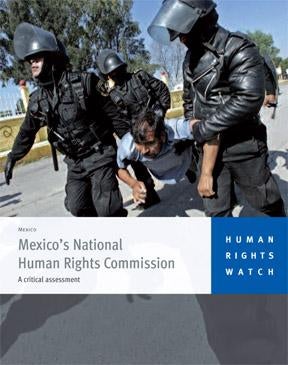
This 128-page report examines the commission's work on more than 40 human rights cases, including recent abuses by soldiers involved in law enforcement operations, police crackdowns against demonstrators in Guadalajara and San Salvador de Atenco, and the killings of women in Ciudad Juárez over the past decade, among others. The report also examines the commission’s role in addressing abusive laws, including restrictions on freedom of expression, and responding to important reforms, such as the Mexico City abortion law passed in 2007.
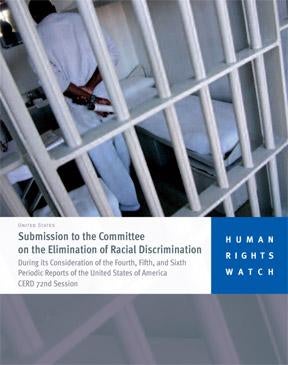
During its Consideration of the Fourth, Fifth, and Sixth Periodic Reports of the United States of America
In this 48-page report, Human Rights Watch documents US noncompliance with ICERD in seven key areas. The treaty, ratified by the United States in 1994, requires member governments to take affirmative steps to eliminate discrimination on the basis of race, color, or national or ethnic origin in all areas of public life.
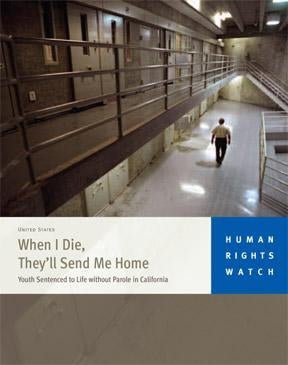
Youth Sentenced to Life without Parole in California
In this 100-page report, Human Rights Watch found that in many cases where juveniles were prosecuted with an adult, the youth received heavier sentences than their adult codefendants.
Iran’s Broadening Clampdown on Independent Activism
This 51-page report documents the expansion in scope and number of the individuals and activities persecuted by the Iranian government over the last two years.
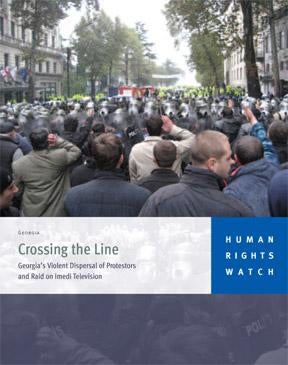
Georgia’s Violent Dispersal of Protestors and Raid on Imedi Television
This 102-page report is the most comprehensive account to date of the Georgian government’s attacks on protestors and the raid on Imedi. Witnesses described in detail how police and other law enforcement agents violently dispersed protestors in four separate incidents on November 7.