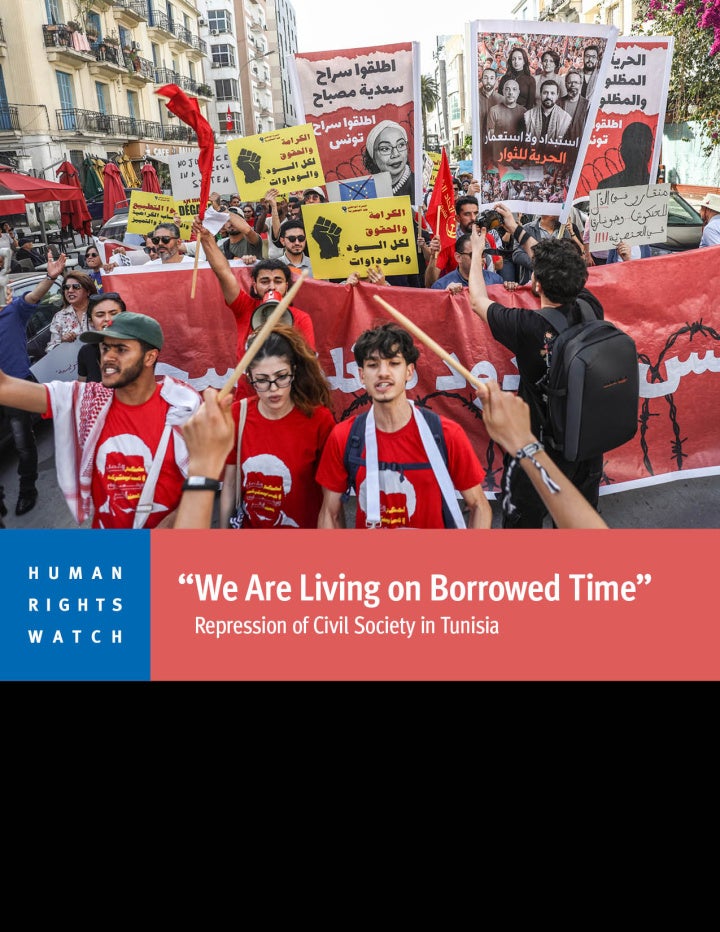
The 49-page report, “‘We Are Living on Borrowed Time’: Repression of Civil Society in Tunisia” documents the Tunisian authorities’ escalating repression of local and international civil society groups, workers, members, and affiliates through the weaponization of abusive prosecutions, arbitrary arrests, detention, financial and criminal investigations, mass suspensions, and threats of dissolution.
Impunity for Laws-of-War Violations during the Gaza War
This 62-page report details the steps both Israel and Hamas have taken over the past year to investigate alleged violations of the laws of war and possible war crimes, and how those investigations have fallen far short of international legal standards.
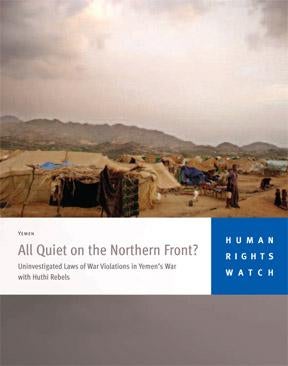
Uninvestigated Laws of War Violations in Yemen’s War with Huthi Rebels
This 54-page report documents how government forces may have indiscriminately bombed and shelled civilian areas, causing civilian casualties, and how Huthi forces may have committed summary executions and unlawfully deployed in populated areas.
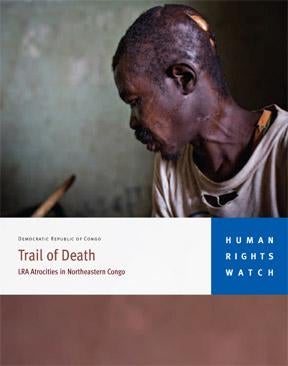
This 67-page report is the first detailed documentation of the Makombo massacre and other atrocities by the Lord's Resistance Army (LRA) in Congo in 2009 and early 2010.
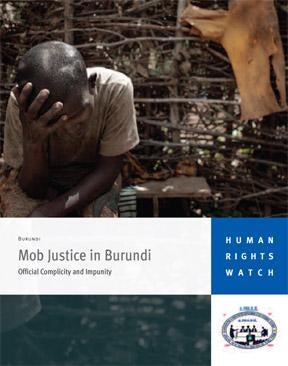
This 105-page report finds that authorities have at times been directly involved in public killings and beatings of suspected criminals, or have facilitated them by forming untrained "security committees" that operate at the margins of the law. In other cases, officials have stood by while mobs attacked alleged criminals.
Violations of Freedom of Expression and Association in Ethiopia
This 59-page report documents the myriad ways in which the ruling Ethiopian People's Revolutionary Democratic Front (EPRDF) has systematically punished opposition supporters.
Detention and Denial of Women Asylum Seekers in the UK
The 69-page report documents how women asylum seekers with complex claims are being routed into a system designed for much simpler claims. The women are held in detention largely for the UK’s administrative convenience, have very little time to prepare a legal case, and have only a few days to appeal if refused.
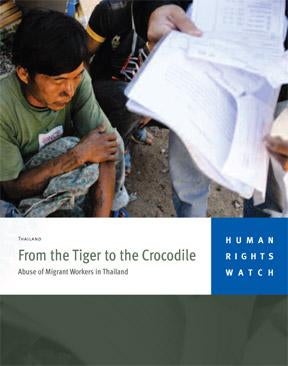
This 124-page report is based on 82 interviews with migrants from neighboring Burma, Cambodia, and Laos. It describes the widespread and severe human rights abuses faced by migrant workers in Thailand, including killings, torture in detention, extortion, and sexual abuse, and labor rights abuses such as trafficking, forced labor, and restrictions on organizing.
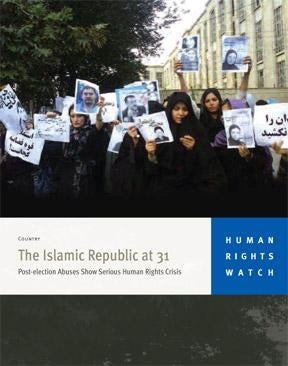
Post-election Abuses Show Serious Human Rights Crisis
This 19-page report documents widespread human rights abuses, including extra-judicial killings; rapes and torture; violations of the rights to freedom of assembly and expression; and thousands of arbitrary arrests and detentions during the nine months since the election on June 12, 2009.
The Revival of Physical Coercion during Interrogations in Bahrain
This 89-page report is based on interviews with former detainees and a review of forensic medical reports and court documents. It concludes that since the end of 2007, officials have repeatedly resorted to torture for the apparent purpose of securing confessions from security suspects.
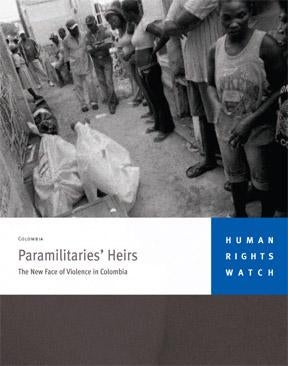
This 122-page report documents widespread and serious abuses by successor groups to the paramilitary coalition known as the United Self-Defense Forces of Colombia (Autodefensas Unidas de Colombia, AUC). The successor groups regularly commit massacres, killings, forced displacement, rape, and extortion, and create a threatening atmosphere in the communities they control.
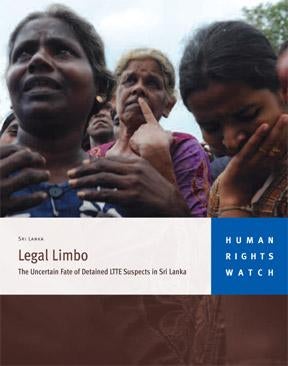
The Uncertain Fate of Detained LTTE Suspects in Sri Lanka
This 30-page report is based on interviews with the detainees' relatives, humanitarian workers, and human rights advocates, among others. The Sri Lankan government has routinely violated the fundamental rights of the detainees, Human Rights Watch found. The government contends that the 11,000 detainees are former fighters or supporters of the defeated Liberation Tigers of Tamil Eelam (LTTE).
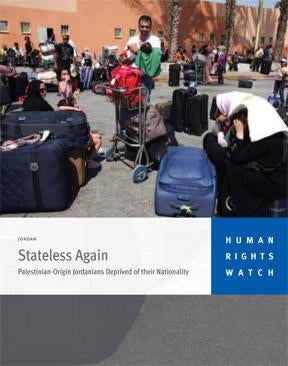
Palestinian-Origin Jordanians Deprived of their Nationality
This 60-page report details the arbitrary manner, with no clear basis in law, in which Jordan deprives its citizens who were originally from the West Bank of their nationality, thereby denying them basic citizenship rights such as access to education and health care.
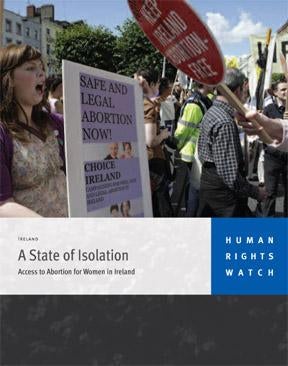
This 57-page report details how women struggle to overcome the financial, logistical, physical, and emotional burdens imposed by restrictive laws and policies that force them to seek care abroad, without support from the state. Every year thousands of women and girls travel from Ireland to other European countries for abortions.
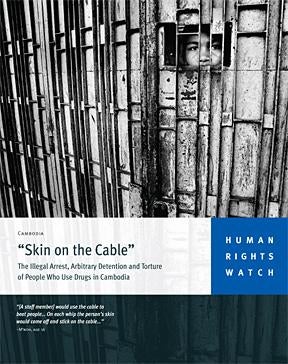
The Illegal Arrest, Arbitrary Detention and Torture of People Who Use Drugs in Cambodia
In this 93-page report Human Rights Watch documents detainees being beaten, raped, forced to donate blood, and subjected to painful physical punishments such as "rolling like a barrel" and being chained while standing in the sun.