US Civil Rights Enforcement Under the Trump Administration
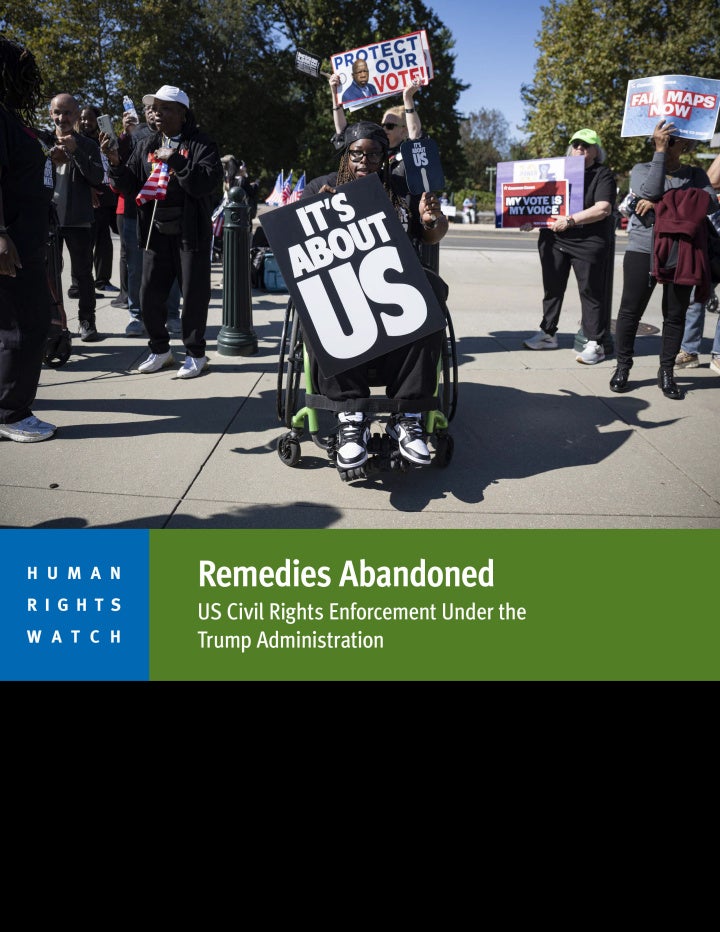
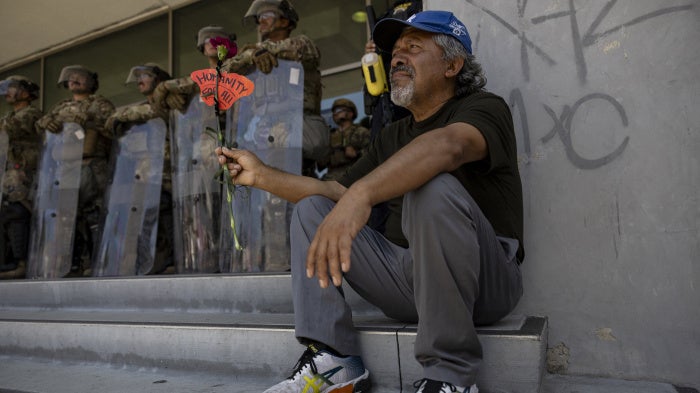
The 112-page report, “Remedies Abandoned: US Civil Rights Enforcement Under the Trump Administration,” documents the administration’s efforts to unravel the work of four key agencies between January 2025 and the spring of 2026: the Justice Department’s Civil Rights Division, which lost about 75 percent of its attorneys; the Education Department’s Office of Civil Rights, which moved to lay off nearly half its staff in one day and closed 7 of its 12 regional offices; the Housing and Urban Development Department’s Fair Housing Office, which shrank dramatically; and the Equal Employment Opportunity Commission, which reached its lowest staffing levels in over 40 years.
US Border Screening and Returns of Central Americans to Risk of Serious Harm
This report details the US border policies and practices that place migrants at risk of serious harm back home, based on the accounts of people sent back to Honduras, people in detention, and an analysis of deportation data obtained through the Freedom of Information Act.
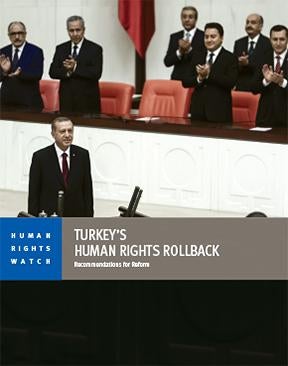
This 38-page report outlines the rollback of human rights and rule of law in Turkey, linked to mass anti-government protests in 2013 and corruption allegations that go to the very heart of the government of the ruling AKP.
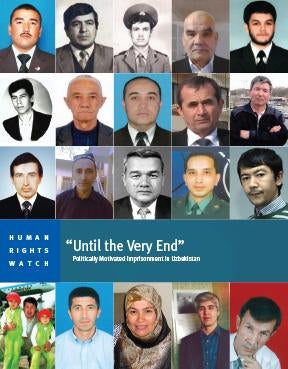
This 121-page report presents disturbing new findings about the treatment of 34 of Uzbekistan’s most prominent people imprisoned on politically motivated charges. They include two of the world’s longest imprisoned journalists and others who have languished behind bars for more than two decades.
The 78-page report documents sexual violence by both government forces and the Communist Party of Nepal (Maoist) combatants during the conflict, which ended with a peace agreement in 2006. Many of these crimes remain unreported, with survivors isolated and unable to find ways to access justice and redress.
This 96-page report highlights cases of police brutality that resulted in deaths and serious injuries of people in custody between August 2010 and July 2014. Human Rights Watch documented abuses in 44 of Vietnam’s 58 provinces, throughout the country, and in all five of the country’s major cities.
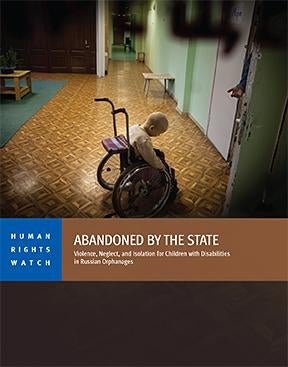
Violence, Neglect, and Isolation for Children with Disabilities in Russian Orphanages
This 93-page report found that many children and young people with disabilities who have lived in state orphanages suffered serious abuse and neglect on the part of institution staff that impedes their development.
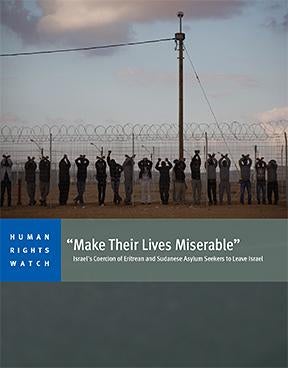
Israel’s Coercion of Eritrean and Sudanese Asylum Seekers to Leave Israel
This 83-page report documents how Israel’s convoluted legal rules thwart Eritrean and Sudanese asylum seekers’ attempts to secure protection under Israeli and international law.
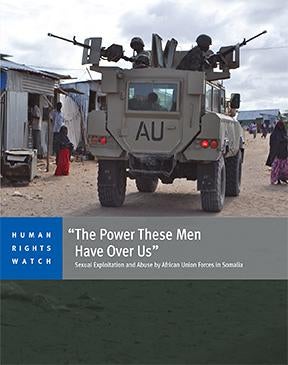
Sexual Exploitation and Abuse by African Union Forces in Somalia
This 71-page report documents the sexual exploitation and abuse of Somali women and girls on two AMISOM bases in Somalia’s capital, Mogadishu, since 2013. The AU soldiers, relying on Somali intermediaries, have used a range of tactics, including humanitarian aid, to coerce vulnerable women and girls into sexual activity.
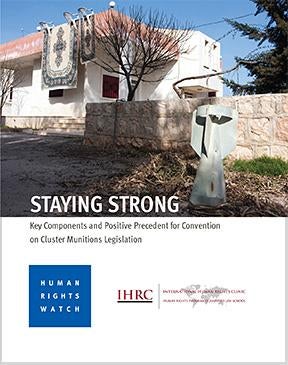
Key Components and Positive Precedent for Convention on Cluster Munitions Legislation
This 73-page report urges countries to pass robust national legislation as soon as possible to carry out the provisions of the treaty. The report describes the elements of a comprehensive law and highlights exemplary provisions in existing laws. The report was jointly published with Harvard Law School’s International Human Rights Clinic.
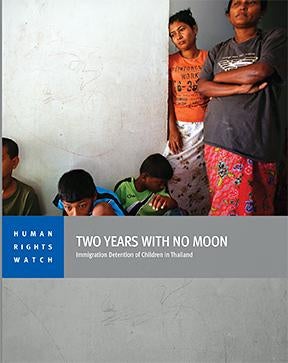
This 67-page report details how Thailand’s use of immigration detention violates children’s rights, risks their health and wellbeing, and imperils their development. The Thai government should stop detaining children on immigration grounds, Human Rights Watch said.
"Manual Scavenging," Caste, and Discrimination in India
This 96-page report documents the coercive nature of manual scavenging. Across India, castes that work as “manual scavengers” collect human excrement on a daily basis, and carry it away in cane baskets for disposal. Women from this caste usually clean dry toilets in homes, while men do the more physically demanding cleaning of sewers and septic tanks.
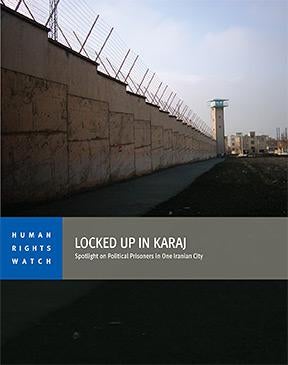
Spotlight on Political Prisoners in One Iranian City
The 59-page report is based on a review of 189 cases in three prisons in the city of Karaj, near the capital, Tehran, including the charges they faced, details of their trials before revolutionary courts, and information from lawyers, prisoners’ families, and others.
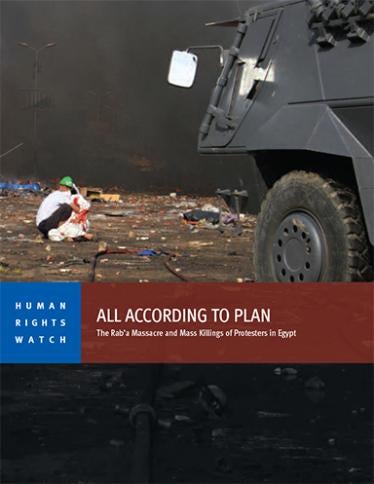
The Rab’a Massacre and Mass Killings of Protesters in Egypt
The 188-page report documents the way the Egyptian police and army methodically opened fire with live ammunition on crowds of demonstrators opposed to the military’s July 3 ouster of Mohamed Morsy, Egypt’s first elected civilian president, at six demonstrations between July 5 and August 17, 2013.