A representative of the Congolese Ministry of Hydrocarbons, during an on-the-record interview with Human Rights Watch on July 31, discussed the findings of the government's official environmental audit into the activities of Perenco, the French-British oil and gas company operating in western Democratic Republic of Congo.
The audit identified “negative impacts on soil and air quality” linked to oil operations, the ministry official said, adding that “all aspects of pollution will be addressed” in the final report.
Following longstanding allegations of pollution, the government commissioned the audit in December 2024.
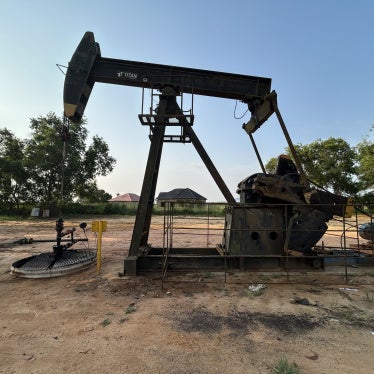
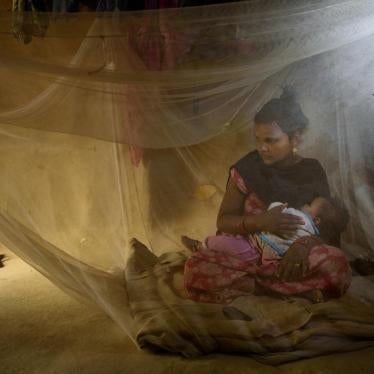
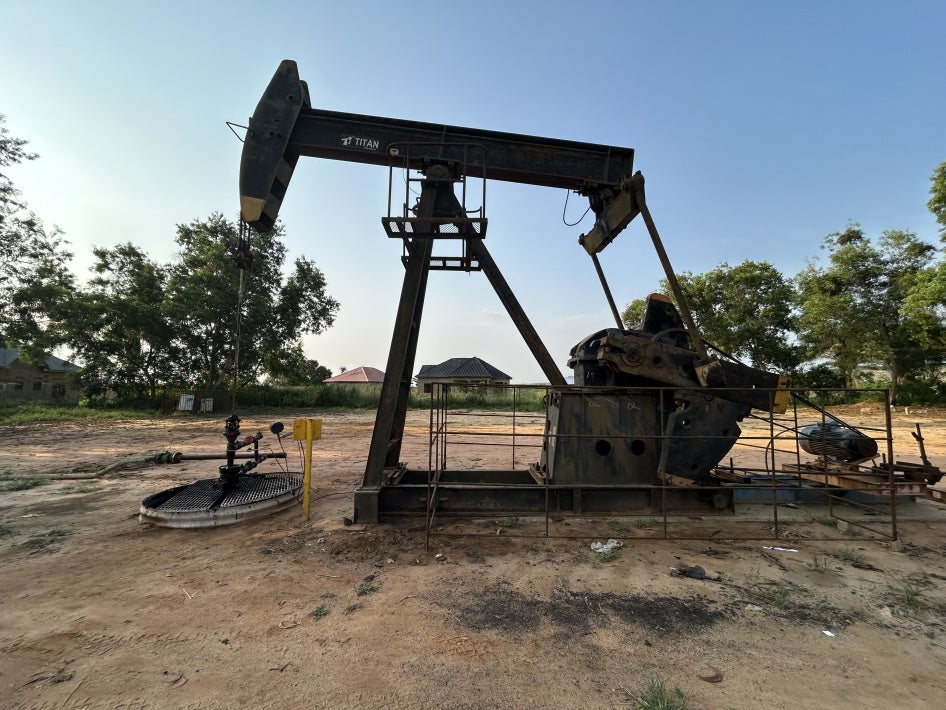
Human Rights Watch released a report on July 27 documenting serious health risks for communities living near Perenco's operations, linking the company’s activities to pollution of air, soil, and water sources. Human Rights Watch found that routine gas flaring and the open burning of oil waste in close proximity to residential areas in western Congo degraded air quality, while oil spills from wells and pipelines polluted surrounding soils and riverbeds. Human Rights Watch also found that Perenco engaged in practices that violate Congolese environmental law, notably the open burning of oil waste. At the time of publication, the Ministry of Hydrocarbons had not commented on the research findings.
Perenco, in response to queries from Human Rights Watch, denied that its operations “would cause air, soil and water pollution or detrimental acute health conditions.” However, the ministry official said the preliminary findings of the audit “corroborate Human Rights Watch’s conclusions.”
In response to questions regarding the source of the pollution, the official highlighted that “the ageing of Perenco’s infrastructure and pipelines” contributes to soil pollution. The official said the final audit will recommend infrastructure upgrades, estimate environmental remediation costs, and propose measures to repair environmental damage.
While groundwater sampling is still underway, the audit has entered its final phase, according to the Ministry of Hydrocarbons. The final audit is expected to be completed by the end of September.
The ministry official said the report “will be made public” once finalized. “The government is committed to full transparency regarding this audit.”
Human Rights Watch has repeatedly called on the Congolese government to publish the audit's findings.