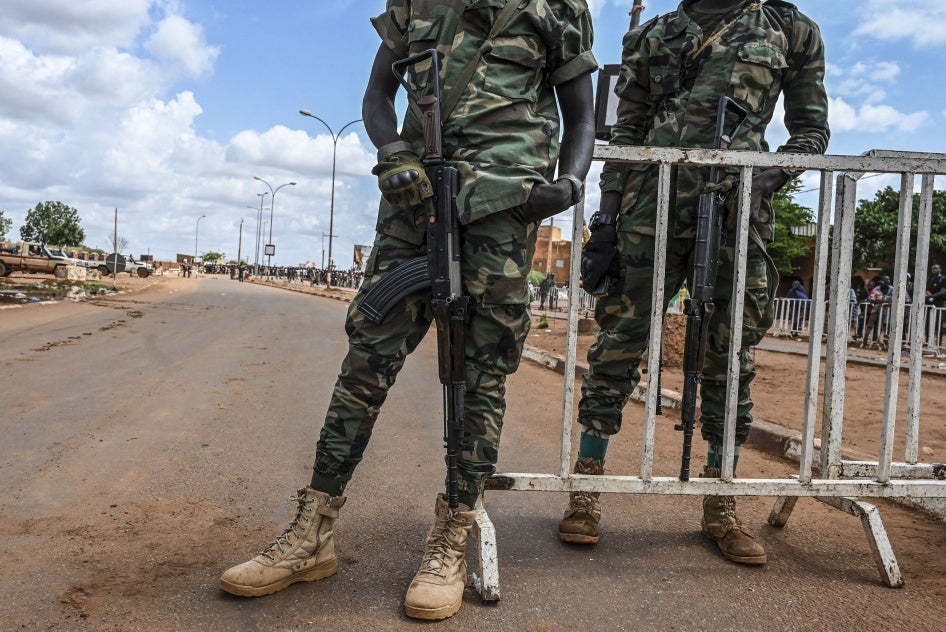
The United States delivered US$2.3 million worth of military equipment to Niger’s armed forces, including uniforms, protective gear, and medical supplies on May 26. The US said the assistance will strengthen cooperation against terrorism and disrupt criminal networks while helping Niger secure its borders.
Washington has been pursuing closer security ties with Sahel governments, including Niger, which in 2024 had ended a US military deployment agreement. Italy, which also supports Niger’s security forces, is the only Western country with a continued military presence in the country.
Niger faces insurgencies from Islamist armed groups linked to the Islamic State and Al-Qaeda that frequently attack security forces and civilians, particularly in the regions bordering Mali and Burkina Faso. But any military assistance, including the non-lethal kind provided by the US, should factor in the Nigerien government’s poor human rights record and attach safeguards to ensure the assistance does not facilitate future abuses.
After the military seized power in 2023, Niger’s junta began a crackdown on political opposition, independent media, and civil society groups. The military authorities continue to arbitrarily detain former President Mohamed Bazoumand the prominent human rights defender Moussa Tiangari, among others. The junta withdrew from the Economic Community of West African States in 2025 and announced plans to leave the International Criminal Court, actions that distance Niger from regional and international accountability mechanisms.
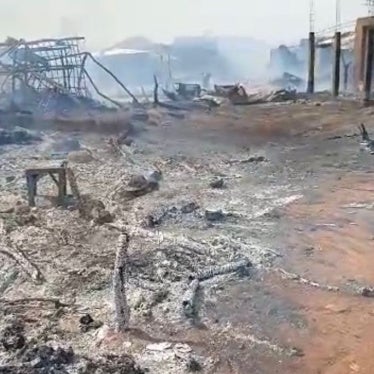
Nigerien security forces have been implicated in grave abuses against civilians during counterinsurgency operations. Human Rights Watch documented a military drone strike on a crowded market in western Niger in January 2026 that killed 17 civilians.
Security cooperation that overlooks human rights risks undermining its own objectives. In Niger and across the Sahel, military abuses have fueled grievances, weakened trust in state institutions, and created opportunities for armed groups to recruit.
The US, Italy, and other partners should ensure that military assistance to Niger is conditioned on measures to protect civilians, on the vetting of troops receiving assistance, and on credible investigations into alleged military abuses. For the US, full adherence to the “Leahy Laws,” which mandate review of the human rights record of recipient military units, should be followed. Both countries should also press for an end to the repression of journalists, activists, and political opponents.
Partners that continue to provide military assistance to Niger without adequate safeguards risk enabling further abuses and undermining accountability.