The atrocity prevention community faces an existential question: How do we continue our work when the fundamental norm of trying to stop mass atrocities no longer appears to be a given? The future surely looks bleak; dedicated expertise, tools, resources, and political will are being decimated in the United States and other nations that helped build the Convention on the Prevention and Punishment of Genocide and related normative frameworks. Yet advocates can and must make clear what’s at stake with these choices to disengage. The prospect of more mass atrocities should never become normal. The atrocity prevention community can and must leverage its expertise and adapt to the current moment.
Fatigue is real, and we must return to the stories and values that motivate us. After decades of advocacy, the language of “never again” risks becoming hollow, especially in the face of sustained and growing atrocity situations. But history reminds us that even in the darkest times, campaigns that educate, mobilize, and inspire can work. The atrocity prevention community needs to reassess how we communicate. Legal jargon and diplomatic appeals are not compelling nations to act, in part because they are not reaching and compelling the public to care. It is time to return to basics: human stories, survivor voices, and public engagement that sparks outrage and demands accountability. We have more visual and real-time tools at our disposal than ever before to bring the stories to the public with clear calls to action.
Early warning systems are critical and must be paired with more focus on early action. As a field, we have made great strides in our analytics, tools, and systems for identifying risk factors for future atrocities, including the Center to Prevent Genocide’s annual early warning list and the Eli Wiesel Genocide Prevention Act. We need to better pair a focus on early warning with clearer ideas and options for early action, which could take the form of diplomatic messaging, pre-positioning of resources, and the documentation of rights abuses by organizations like Human Rights Watch. In the United States, Congress needs to enforce the legislation that is in place. And more structured efforts are needed with involvement from other sectors to help sound the alarm and expose risks.
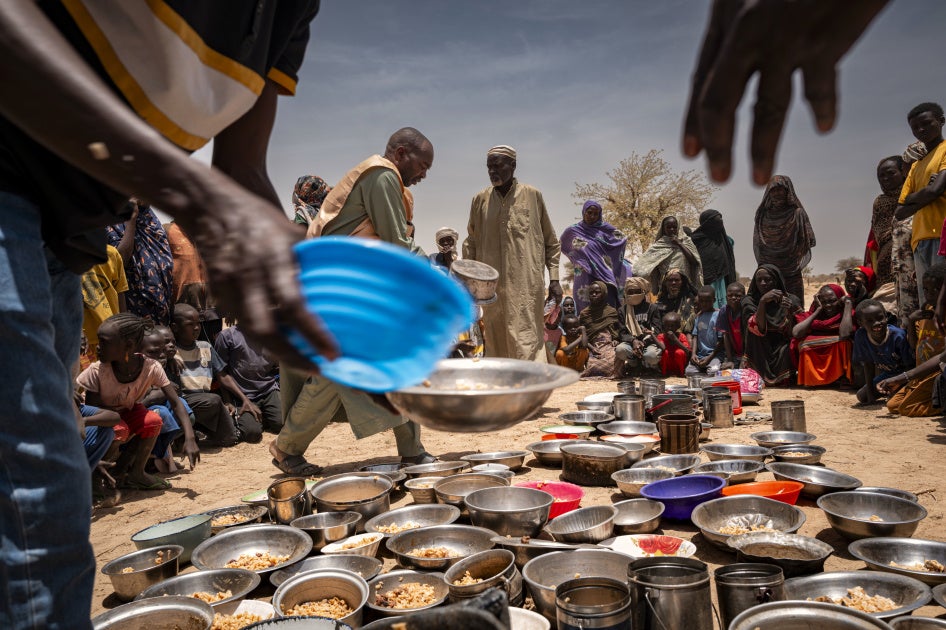
More focus should be placed on empowering locally-led action and response. Early warning only works if there are locally-led initiatives to respond during atrocities. In my experience, the design and implementation of local solutions by the people living through these nightmares is essential. For example, the Emergency Response Rooms in Sudan – community-led initiatives with members originating from different pro-democracy movements – have provided lifesaving humanitarian assistance, documented abuses, and offered essential support to the population. Domestic justice mechanisms matter for supporting accountability, as well as atrocity prevention and recovery. In the Central African Republic, a war crimes court woven into the national domestic system with international support is delivering critically important results. This demonstrates the value of investing in justice at the local level, with affected communities directly benefitting. More documentation of successful local efforts must be pushed up and out to policymakers and donors alike.
Research matters and can strengthen advocacy and messaging. The impacts and economic and security costs of genocide and mass atrocities remain underexplored, and further research is essential. We need to clearly lay out the costs for states and institutions that indirectly enable atrocities or sit idly by and do nothing. What happens to nations, communities, and regions after atrocities? What deep damage does it do to political stability and development? We need data that makes inaction indefensible, as well as economists to make the business case against atrocities in language that the private sector understands. We need to have a smart counterargument against the war-profiteering reality, as well.
Finally, we must seize moments of advocacy. Anniversaries, the launch task force reports, and other key milestones can be used as markers to help the world recall why our collective commitments to prevent atrocities are so important. This includes April’s designation as Genocide Prevention Month. Atrocity prevention should be a cause that countries want to take up and be associated with.
At the end of the day, we need to make the fundamental choice for world leaders as simple as possible: you are either anti-genocide, or by doing nothing, you are pro-genocide by default. The future of atrocity prevention depends on whether we can collectively renew our commitments and approaches to prevent atrocities—or choose to look away.