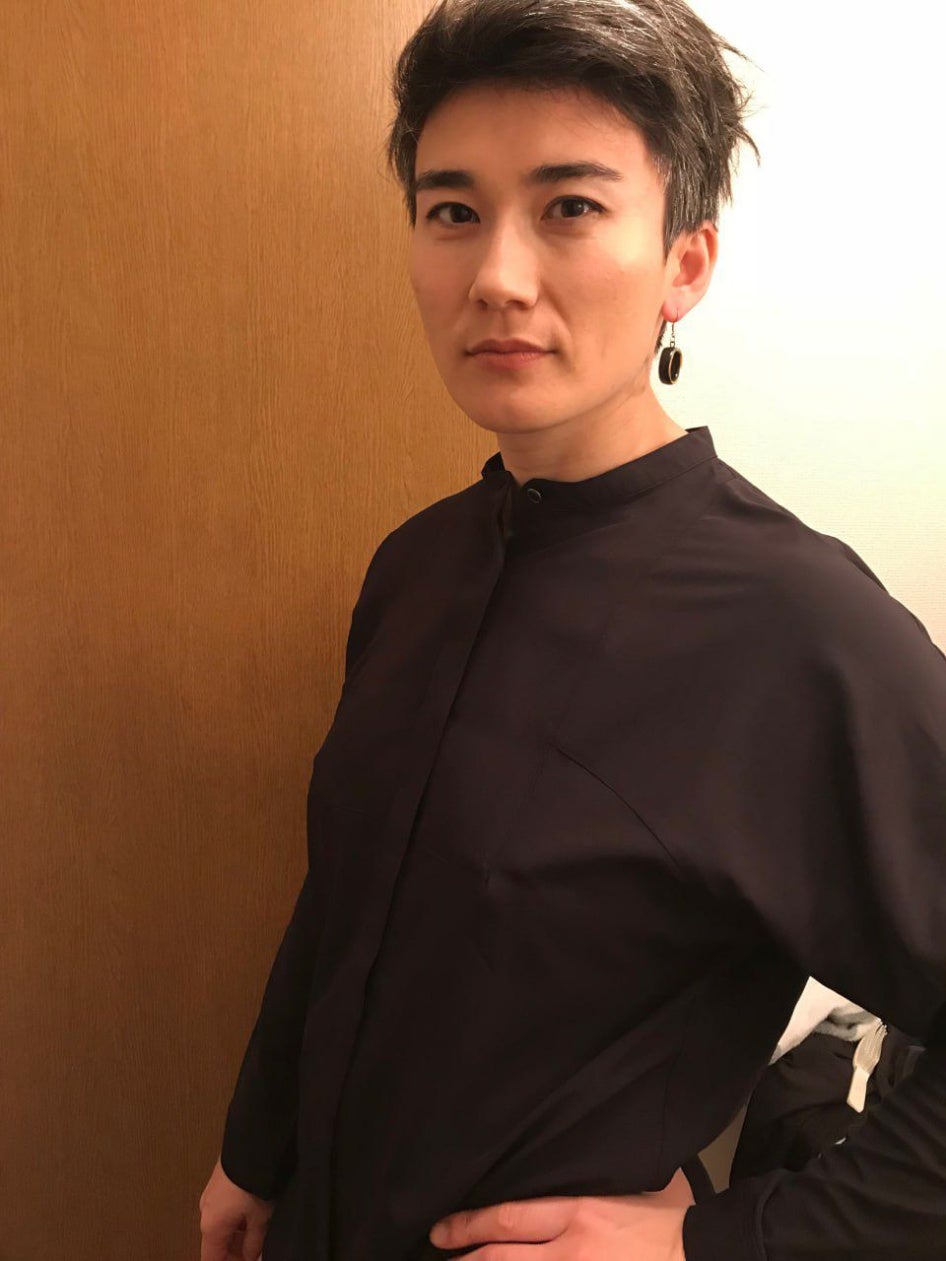
(Berlin, April 6, 2026) – Kazakhstan’s prosecuting authorities have filed criminal charges for battery against a feminist activist who was aggressively accosted at a café in Astana, the capital, while meeting with feminist and queer colleagues and friends, Human Rights Watch said today.
The charges, brought on March 26, 2026, follow an investigation into Zhanar Sekerbayeva, which appears to have been in retaliation for her activism for lesbian, gay, bisexual, and transgender (LGBT) rights. The first hearing in the case is expected to be on April 7.
“The Kazakh authorities should drop the charges against Sekerbayeva and put an end to the manufactured case against her,” said Mihra Rittmann, Central Asia adviser at Human Rights Watch. “No one in Kazakhstan should fear criminal retaliation for being lesbian or for peacefully advocating for the rights of LGBT people.”
Sekerbayeva is co-founder of the feminist initiative Feminita and a prominent advocate for the rights of women and LGBT people. In recent years, she has repeatedly faced harassment, threats, and arbitrary detention in retaliation for her peaceful activism.
Police detained Sekerbayeva and a fellow activist, Temirlan Baimash, after a group of people showed up at a café in Astana on November 22, 2025, and accosted Sekerbayeva, Baimash, and others. They shouted anti-LGBT slurs, filmed attendees without consent, and behaved very aggressively toward some of the activists, including Sekerbayeva. One of the women involved in causing the disruption, Ziuar Zhumanova, filed a complaint with the police. So did both Sekerbayeva and Baimash.
In the months since, police appear to have carried out a one-sided investigation based solely on Zhumanova’s complaint. The authorities do not appear to have taken any action in response to Sekerbayeva’s and Baimash’s complaints or to hold accountable any of the people who accosted them at the café that day.
On February 12, Sekerbayeva filed a second complaint with the police, asking them to pursue administrative sanctions against Zhumanova for causing the disturbance, blocking and pushing Sekerbayeva, and injuring her arm. Sekerbayeva has publicly alleged that police have committed procedural violations in handling her complaint, including failing to consider her evidence, and said that the case against her is fabricated, politically motivated, and in retaliation for her peaceful activism for the rights of LGBT people.
Baimash, co-founder of the youth-led initiative QUEER KZ, told Human Rights Watch that the police similarly ignored his complaints that he and his friends and colleagues at the café were the victims of the attack, and instead detained and interrogated him in a hostile manner. The authorities do not appear to have made Baimash a target of their investigation, but as a witness, he is still vulnerable to pressure and intimidation by police.
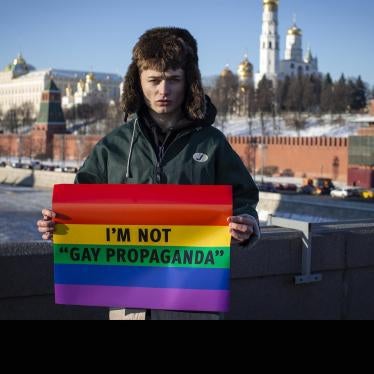
The environment for LGBT rights activism in Kazakhstan has become increasingly hostile in recent months. Legislation banning so-called propaganda of nontraditional sexual orientation was adopted in December 2025 and took effect in March 2026, putting LGBT rights advocates, and others working on nondiscrimination, at increased risk of harassment and prosecution.
Kazakhstan is bound under international law, including the International Covenant on Civil and Political Rights to which it is a party, to guarantee the rights to freedom of expression, association, and due process. It is also bound to safeguard the rights of human rights defenders and not to discriminate based on sexual orientation or gender identity.
“The so-called LGBT-propaganda law is blatantly discriminatory, violates freedom of expression, and has no place in a rights-respecting country,” Rittmann said. “The authorities have a responsibility to ensure that LGBT people in Kazakhstan and people advocating for their rights can live free from discrimination, harassment, and politically motivated prosecution.”