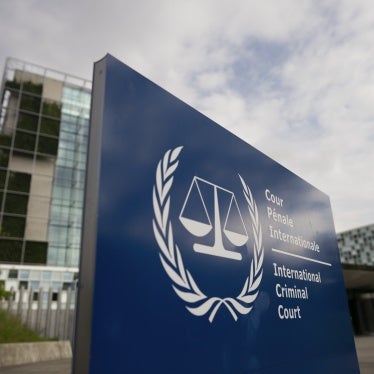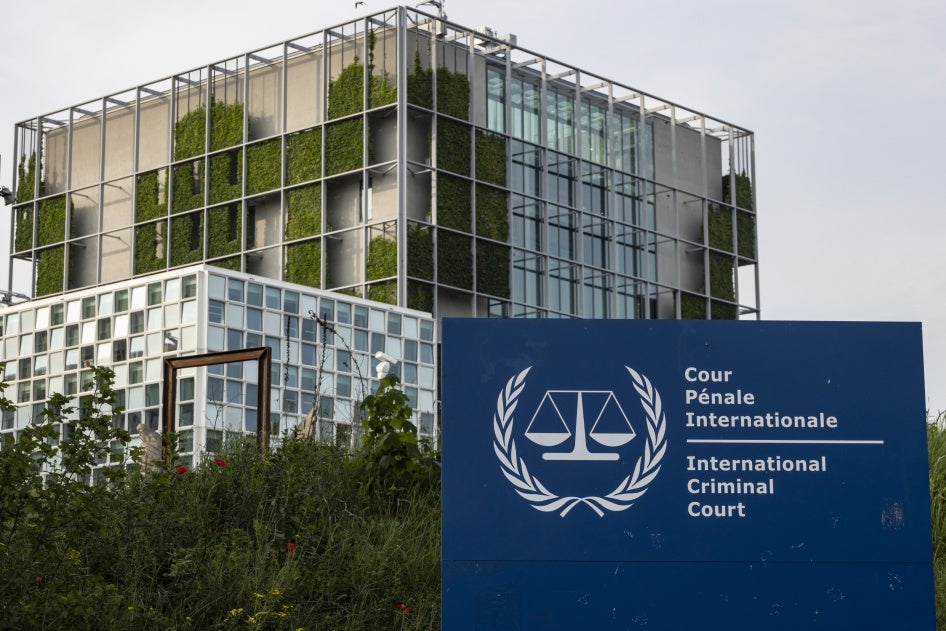
The International Criminal Court (ICC), a critical court of last resort for victims of serious crimes around the world, faces an unprecedented threat as it is under extreme pressure from the United States. Japan has an essential role to play in protecting this institution, and the broader international justice system that it helped create over 20 years ago.
US Sanctions and Their Impact
In February, US President Donald Trump signed an executive order authorizing asset freezes and entry bans against ICC staff and those supporting its activities and imposed sanctions against the ICC chief prosecutor. In June, the US added four judges; in July, the United Nations special rapporteur on the human rights situation in the Occupied Palestinian Territory; in August, two more of the court’s judges and its two deputy prosecutors; and in September, against three leading Palestinian human rights groups.
The clear purpose of these sanctions is to shield officials from the US and Israel from facing charges of war crimes and crimes against humanity before the ICC. US Secretary of State Marco Rubio criticized the ICC, calling it “a threat to the national security of the United States and our close ally Israel.”
ICC judges in November 2024 had issued arrest warrants against Israeli Prime Minister Benjamin Netanyahu and former Defense Minister Yoav Gallant for alleged war crimes and crimes against humanity in Gaza. The ICC also issued an arrest warrant for Mohammed Diab Ibrahim al-Masri (known as Mohammed Deif), commander-in-chief of the Qassam Brigades, Hamas’ military wing. In February 2025, ICC judges terminated proceedings against Mohammed Deif after the prosecution presented sufficient and reliable information to establish his death.
US sanctions have serious effects that go far beyond the designated individuals and targeted investigations, and that could result in the ICC losing access to essential services such as banking systems and IT platforms that are necessary to carry out its mandate around the world. The executive order appears designed not only to intimidate court officials and staff involved in the court’s critical investigations, but also to have a chilling effect on broader cooperation with the ICC, including by civil society organizations supporting victims.
The ICC and Japan
The ICC is the permanent international court created to try people, including senior officials, accused of war crimes, crimes against humanity, genocide, and the crime of aggression.
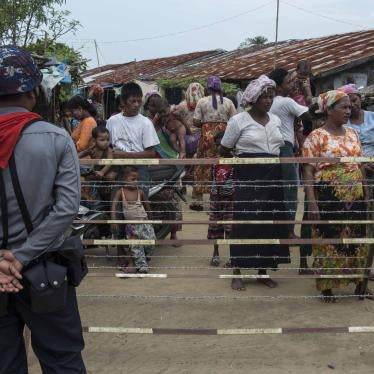
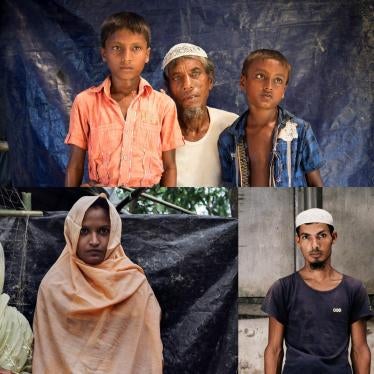
Currently, 125 countries, nearly two-thirds of United Nations members, have joined the court. The ICC steps in when national authorities are unable or unwilling to conduct genuine proceedings. In addition to its Palestine investigation, the court has opened investigations into alleged atrocities in 16 situations, including in Darfur, Sudan, Bangladesh/Myanmar, Ukraine, and Venezuela.
Japan joined the ICC in 2007 and is a strong supporter of the court. Japan has nominated three of the court’s judges, past and present, including the current president, Judge Tomoko Akane.
Japan’s cautious approach
As a major signatory state for the International Criminal Court, Japan should demonstrate leadership in protecting it. But Japan has not spoken out publicly in defense of the court and against efforts to undermine its critical global mandate. It has favored instead more discrete diplomacy, but both are needed.
Foreign Minister Takeshi Iwaya has raised concerns about the sanctions with Secretary of State Rubio. However, Japan has yet to publicly express opposition to attacks against the ICC and its supporters. It has not joined joint initiatives by many ICC member states to protest the US actions.
Japan did not sign the statement signed by 79 ICC member states on February 7, the statement signed by 52 countries at the UN Human Rights Council in June; the statement signed by 48 countries at the special session of the Assembly of States Parties to the ICC at the UN in July; or the statement signed by 59 countries at the UN General Assembly on November 11. On the latter occasion, Japan delivered remarks individually but did not speak directly to the sanctions imposed by the United States.
Japan’s current response also stands out against other statements by Japan in the past that made clear its strong support to the ICC. In a key example, together with other member countries, Japan condemned the issuance of arrest warrants by the Russian Federation in 2023 against the ICC prosecutor and six of the court’s current and former judges, including President Akane. These warrants were issued in retaliation for the ICC arrest warrant against Russian President Vladmir Putin as part of the ongoing Ukraine investigation.
Voices Raised from the Diet
Calls for further action by the Japanese government to protect the ICC are also being raised in the Diet. Nearly 20 cross-party Diet members attended an event held on October 9 at the House of Representatives Members' Office Building by Human Rights Watch, Human Rights Now, and Peace Boat, urging greater support for the ICC.
During the event, a Liberal Democratic Party lawmaker, Masahiko Shibayama, stated, “As Japan holds the highly significant and responsible position of having promoted Judge Tomoko Akane for a key role in the international community, our international credibility hinges on how we respond.”
Yasue Funayama of the Democratic Party for the People criticized Japan's lack of participation in the joint statements, saying, “Minister Iwaya and Prime Minister Ishiba have consistently stated they support [the ICC] and have raised the issue. However, without concrete action, people will question what Japan is actually doing. We will continue to urge Japan to take a resolute stance.”
Representative Michihiro Ishibashi referenced the ICC Prosecutor's request for an arrest warrant in November 2024 for Myanmar's Commander-in-Chief Min Aung Hlaing on charges of crimes against humanity involving the expulsion and persecution of the Rohingya. He stated, "Since the coup occurred in February 2021, for these four years and eight months, State Commander-in-Chief Min Aung Hlaing continues to massacre the people. With the conviction that this must be stopped at all costs, I believe the role of the ICC is extremely important."
The October 9 event was endorsed by three bipartisan caucuses, Nonpartisan Association for Humanitarian Diplomacy, Parliamentary Association for Supporting Democratization of Myanmar, and Nonpartisan Parliamentary Association for Reconsidering Human Rights Diplomacy. While awareness that the ICC is under unprecedented pressure has only just begun to spread among Diet members, we will continue to focus on raising this awareness. We aim to make this the starting point for the Japanese government to adopt a foreign policy that plays a more active role in supporting and protecting the court, its officials, and those cooperating with it.
The Japanese Government’s Expected Role
As the ICC faces a grave threat, Japan’s government should use every opportunity to publicly express its support for the court, condemn the US sanctions, and call on President Trump to revoke the executive order authorizing them.
It should help provide the ICC with the resources it needs to carry out is critical work across its docket, protect court officials by ratifying the 2002 Agreement on the Privileges and Immunities of the ICC, and act to mitigate the effects of US sanctions including engaging the European Union to press for the activation of its Blocking Statute, which prohibits EU entities from complying with foreign sanctions listed in its annex.
US sanctions against the ICC are undermining the very international justice system built since World War II. Impunity for individuals who commit grave violations of international law should not be tolerated. Above all, to deliver justice for victims of human rights abuses, the ICC needs to be shielded from any political interference or pressure. Japan should stand with the world in defense of justice under the law.
Haruka Miyata is Senior Associate at Human Rights Watch.