




August 16, 2026
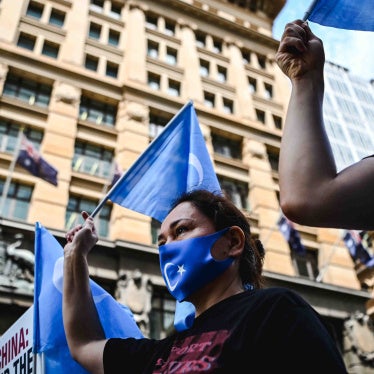
Australia: Chinese Government Menaces Uyghur Diaspora
Visitors to Xinjiang Pressed to Monitor Activists, Australia’s Uyghur Language Schools
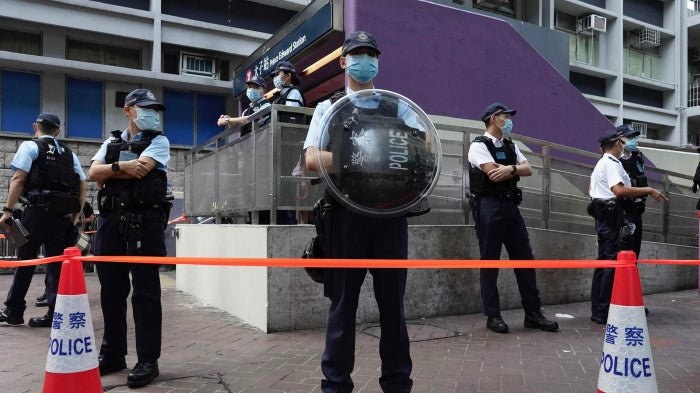
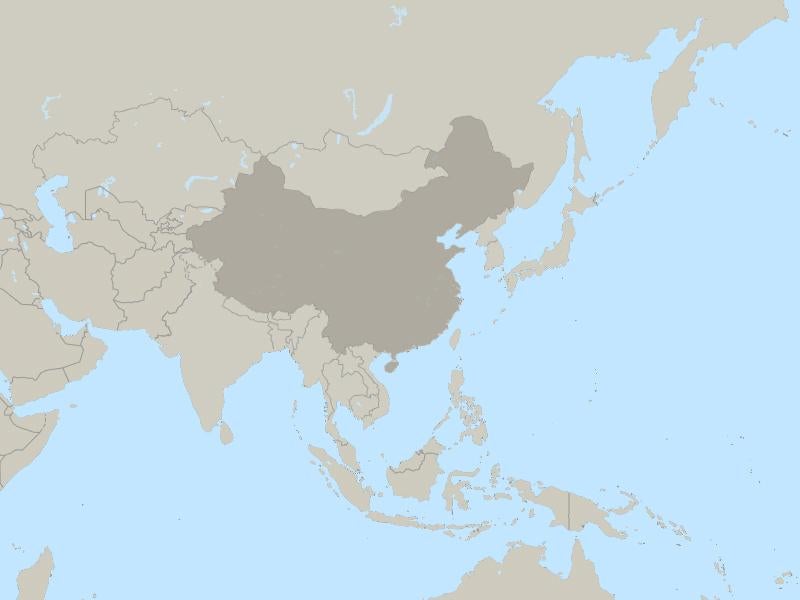
Under President Xi Jinping, the Chinese government has sharply escalated systemic repression at home and abroad. Authorities arbitrarily detain human rights defenders, tightly control civil society, media, and the internet, and deploy invasive mass surveillance technology. The government imposes particularly heavy-handed control in Xinjiang and Tibet. In Xinjiang, nearly a decade after mass arbitrary detention and cultural persecution of a million Uyghurs and other Turkic Muslims—amounting to crimes against humanity—there remains no accountability. In Tibet, authorities continue to impose strict controls on movement, religion, language, and access to information. Hong Kong’s once-robust freedoms have been dismantled under a sweeping national security regime.
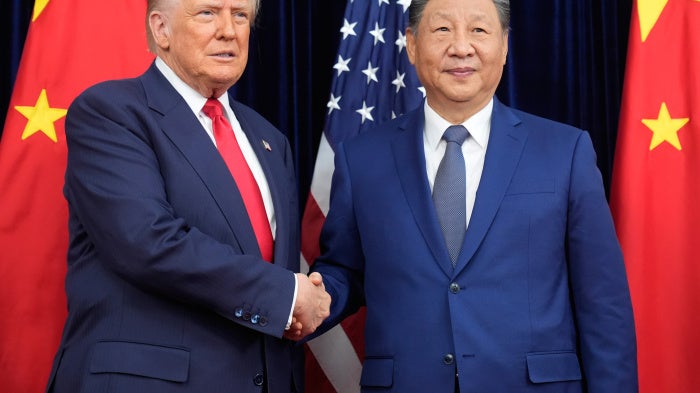
The Chinese government also conducts transnational repression, harassing and silencing critics, diaspora communities, and activists abroad. Chinese diplomats act to mute criticism of the government’s human rights record and to weaken UN human rights bodies.
Visitors to Xinjiang Pressed to Monitor Activists, Australia’s Uyghur Language Schools
Vatican Agreement with Beijing on Bishops Facilitates Crackdown


Regulations Expand Arbitrary Exit Bans for Nationals, Foreigners
Companies Should Tackle Forced Labor In Supply Chains
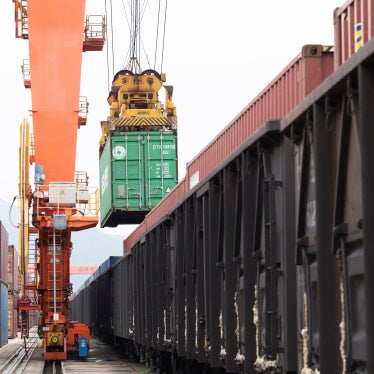
New Local Measures Deepen State Control Over Religion
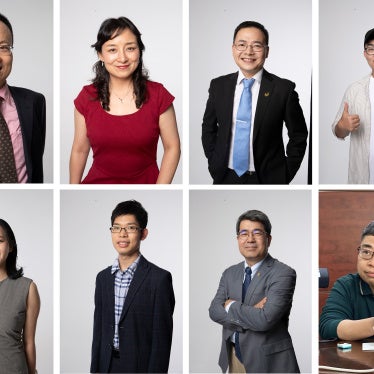
Appeals Court Affirms Overbroad Ordinance Undermining Civil Society
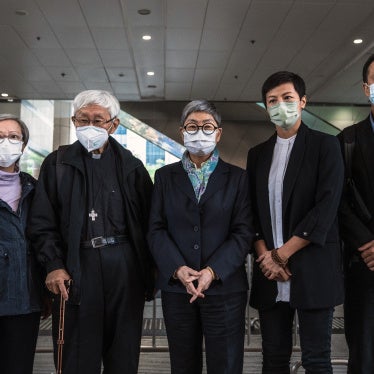
Free Expression, Media Access Critical for Information, Future Response

Forced Labor Bans, UN Follow Up Needed to Address Repression
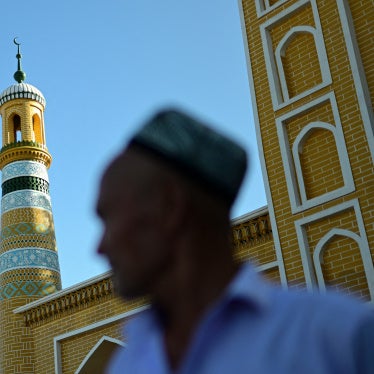
Abusive National Security Law Used to Further Beijing’s Assault on Truth
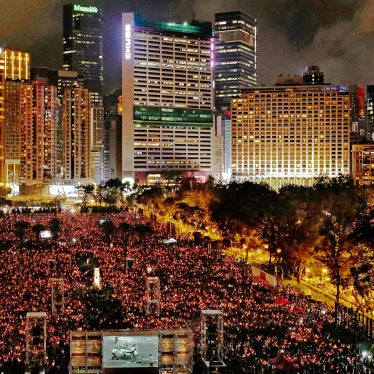
Visitors to Xinjiang Pressed to Monitor Activists, Australia’s Uyghur Language Schools
Expanded List Underscores Need for Car Industry to Map Supply Chains
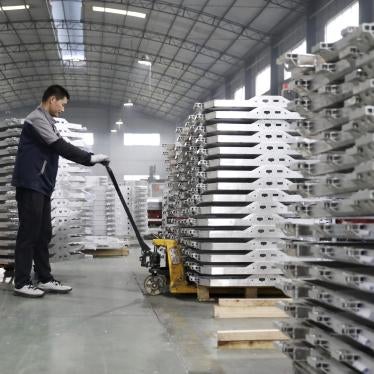
EU leaders have an opportunity to stop treating repression as a side issue and instead make human rights more central to their engagement with China