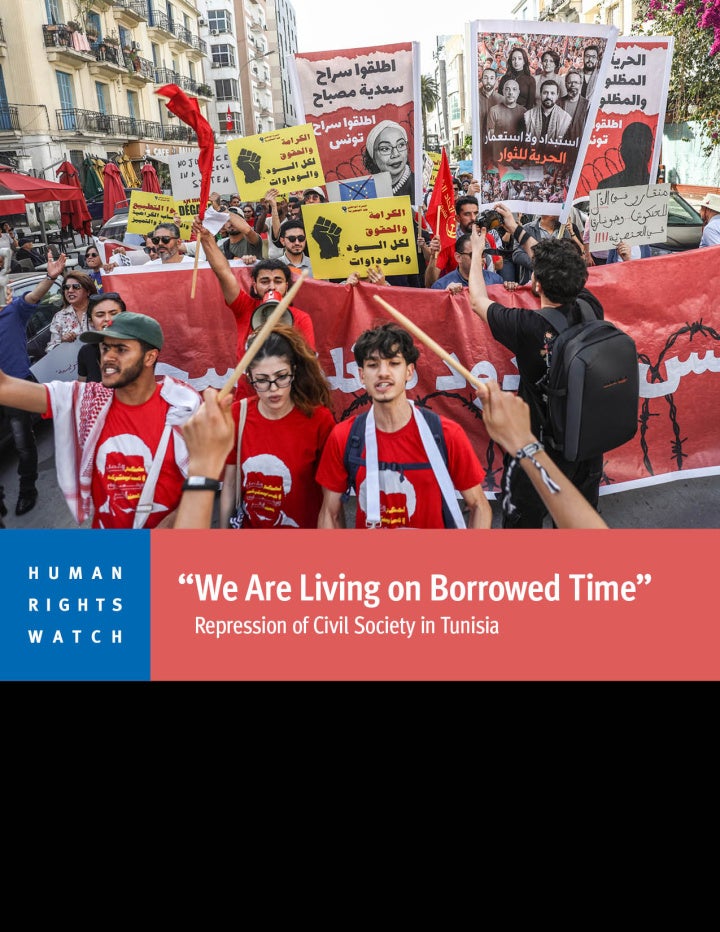
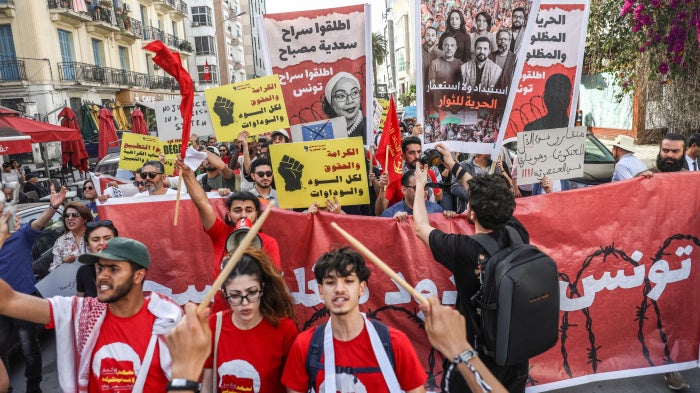
The 49-page report, “‘We Are Living on Borrowed Time’: Repression of Civil Society in Tunisia” documents the Tunisian authorities’ escalating repression of local and international civil society groups, workers, members, and affiliates through the weaponization of abusive prosecutions, arbitrary arrests, detention, financial and criminal investigations, mass suspensions, and threats of dissolution.
This 43-page report is based on more than 50 jailhouse interviews with political prisoners conducted between December 2008 and May 2010. It describes the arrest and prosecution of activists for peacefully raising banned symbols, such as the Papuan Morning Star and the South Moluccan RMS flags.
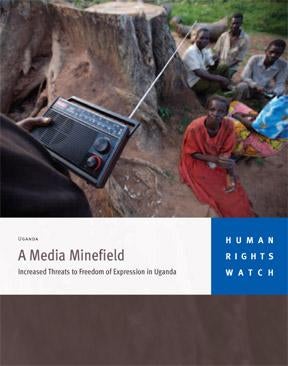
Increased Threats to Freedom of Expression in Uganda
This 60-page report documents multiple recent cases in which Ugandan journalists have faced increasing threats from government officials and NRM party members, intimidation, harassment, and in some instances, government-inspired criminal charges.
Violations of Freedom of Expression and Association in Ethiopia
This 59-page report documents the myriad ways in which the ruling Ethiopian People's Revolutionary Democratic Front (EPRDF) has systematically punished opposition supporters.
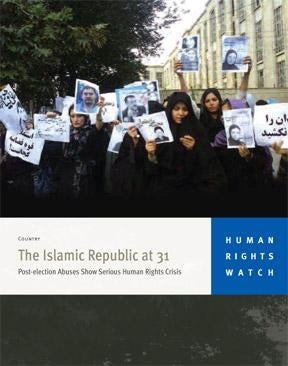
Post-election Abuses Show Serious Human Rights Crisis
This 19-page report documents widespread human rights abuses, including extra-judicial killings; rapes and torture; violations of the rights to freedom of assembly and expression; and thousands of arbitrary arrests and detentions during the nine months since the election on June 12, 2009.
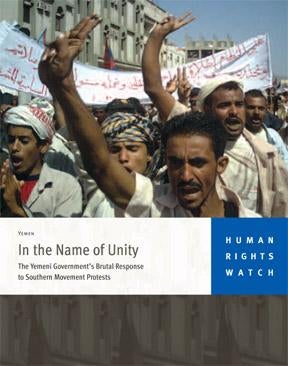
The Yemeni Government’s Brutal Response to Southern Movement Protests
The 73-page report documents attacks by security forces on supporters of the so-called Southern Movement as well as on journalists, academics, and other opinion-makers. Based on over 80 interviews with victims in the southern Yemeni cities of Aden and Mukalla, the report finds that security forces used lethal force against unarmed demonstrators on at least six occasions.
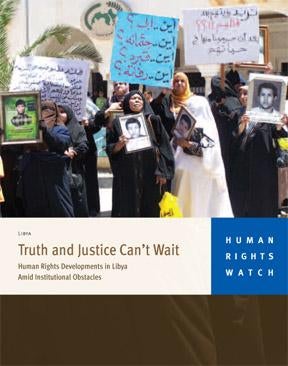
Human Rights Developments in Libya Amid Institutional Obstacles
This 78-page report is based on research conducted by Human Rights Watch during a 10-day visit to Libya in April, 2009. The report is also based on ongoing monitoring from outside the country.
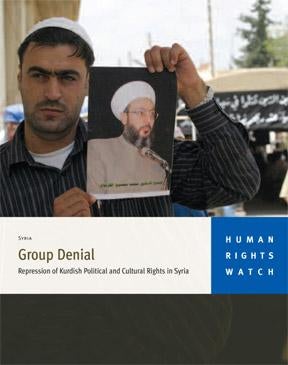
Repression of Kurdish Political and Cultural Rights in Syria
This 63-page report documents the Syrian authorities' efforts to ban and disperse gatherings calling for Kurdish minority rights or celebrating Kurdish culture, as well as the detention of leading Kurdish political activists and their ill-treatment in custody. The repression of Kurds in Syria has greatly intensified following large-scale Kurdish demonstrations in March 2004.
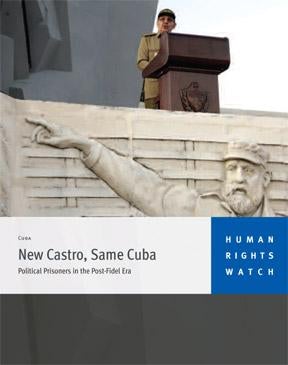
This report shows how Raúl Castro has kept Cuba’s repressive machinery firmly in place and fully active since being handed power by his brother Fidel Castro. Scores of political prisoners arrested under Fidel continue to languish in prison, and Raúl has used draconian laws and sham trials to incarcerate scores more who have dared to exercise their fundamental rights.
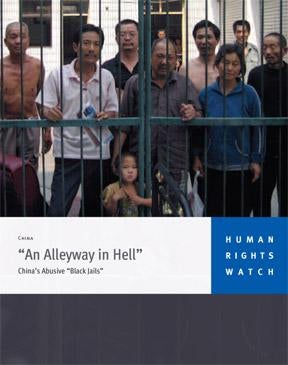
This 53-page report documents how government officials, security forces, and their agents routinely abduct people off the streets of Beijing and other Chinese cities, strip them of their possessions, and imprison them. These black jails are often located in state-owned hotels, nursing homes, and psychiatric hospitals.
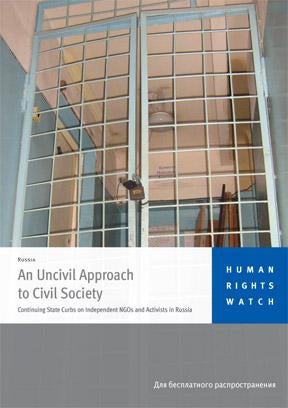
Continuing State Curbs on Independent NGOs and Activists in Russia
This 68-page report describes how current rules allow the state to interfere arbitrarily with the work of nongovernmental organizations (NGOs), and documents the corrosive impact of these rules and other government measures on independent organizations and activists in Russia. The report states that increased pressure on these groups has been only one part of growing authoritarianism in Russia.
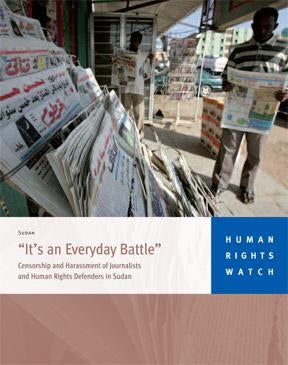
Censorship and Harassment of Journalists and Human Rights Defenders in Sudan
This 21-page report documents the government's efforts to repress those who seek to report on issues it considers sensitive, including human rights, the conflict in Darfur, and the ICC's investigation.
This 42-page report documents how Iranian authorities use security laws, press laws, and other legislation to arrest and prosecute Iranian Kurds solely for trying to exercise their right to freedom of expression and association. The use of these laws to suppress basic rights, while not new, has greatly intensified since President Mahmoud Ahmadinejad came to power in August 2005.
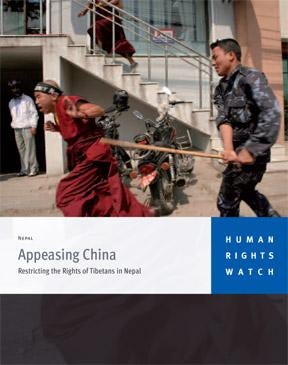
This 60-page report documents numerous violations of human rights by the Nepali authorities, particularly the police, against Tibetans involved in peaceful demonstrations in Kathmandu, including: unnecessary and excessive use of force; arbitrary arrest; sexual assault of women during arrest; arbitrary and preventive detention; beatings in detention; unlawful threats to deport Tibetans to China; restrictions on freedom of movement in the Kathmandu Valley; harassment of Tibetan and foreign journalists; and harassment of Nepali, Tibetan, and foreign human rights defenders.
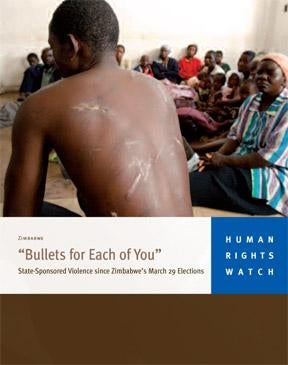
State-Sponsored Violence since Zimbabwe’s March 29 Elections
On March 29, 2008, Zimbabweans cast their ballots in presidential, parliamentary, senatorial and local council elections, the first synchronized elections since changes to the constitution in 2007.
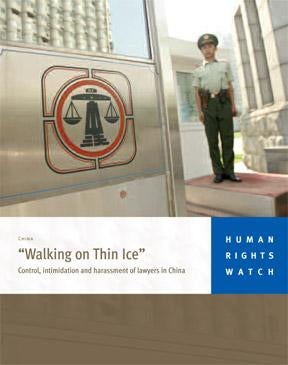
Control, Intimidation and Harassment of Lawyers in China
This 142-page report details consistent patterns of abuses against legal practitioners. These include intimidation, harassment, suspension of professional licenses, disbarment, physical assaults, and even arrest and prosecution when lawyers take politically sensitive cases, seek redress for abuses of power and wrongdoings by party or government agents, or challenge local power-holders.