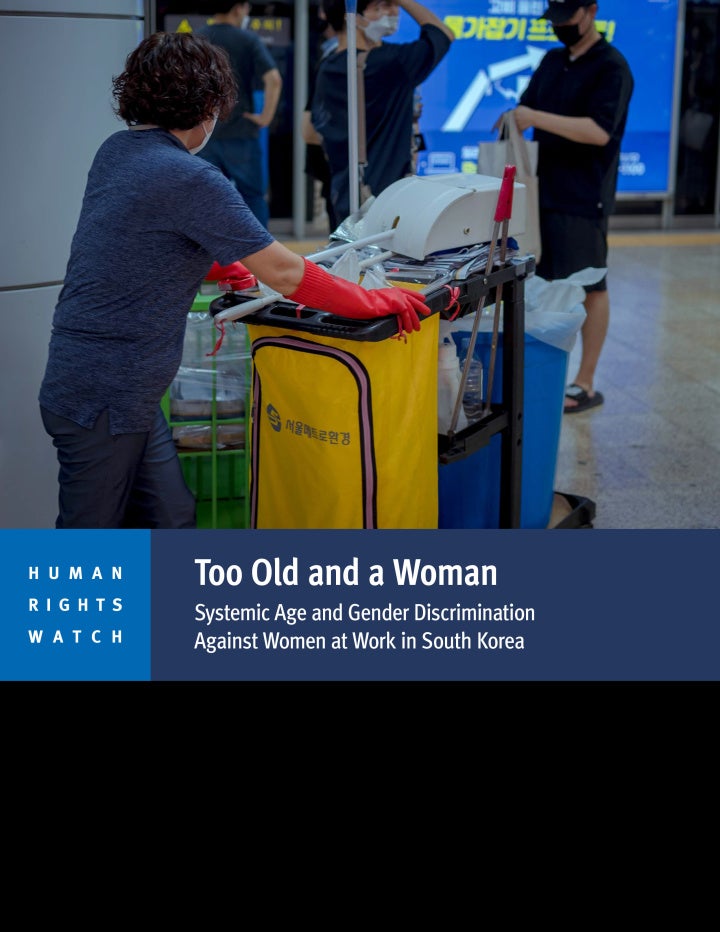
Systemic Age and Gender Discrimination Against Women at Work in South Korea
The 92-page report, “Too Old and a Woman: Systemic Age and Gender Discrimination Against Women at Work in South Korea,” documents that social attitudes toward education, unfair treatment in hiring, disrupted careers due to family responsibilities, limited promotion opportunities, glass ceilings, and sexual harassment create a disadvantage for South Korean women throughout their working lives. As women get older, their work opportunities narrow to a handful of low-paid, insecure jobs, and the gender pay gap increases. By the time they are eligible for pensions, women face a significant gender pension gap.
This report details the significant legal and practical obstacles workers in Kazakhstan must overcome to organize and defend their interests in the workplace. Human Rights Watch interviewed more than 50 trade union leaders, labor activists, and workers in key industries across Kazakhstan, and documented harassment, surveillance, and, in some cases, spurious legal prosecution or dismissals in apparent retaliation for labor activism. The Kazakh government should take immediate steps to lift restrictions on workers’ rights and the ability to organize.
This report documents human rights violations by militias, police, and government officials in Karen State for the confiscation of land from ethnic Karen farmers, many of whose families had farmed the land for generations.
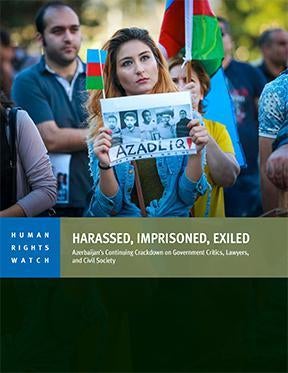
Azerbaijan’s Continuing Crackdown on Government Critics, Lawyers, and Civil Society
This report documents the government’s concerted efforts to undermine civil society. Human Rights Watch found that in 2016, the authorities used false, politically motivated criminal and administrative charges to prosecute political activists, journalists, and others. The government has built a restrictive legal and policy framework to paralyze the work of independent groups. Lawyers willing to defend critics have faced retaliation and disbarment. Although the authorities released several human rights defenders and others in early 2016, many others remain in prison or fled into exile.
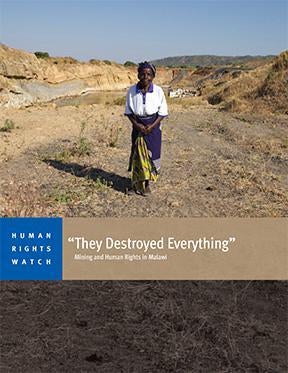
This report examines the impact of extractive industries on communities in some of Malawi’s first mining areas, in Karonga district located on the northwestern shores of Lake Malawi. Malawi’s government has promoted private investment in mining and resource extraction to diversify its economy. But environmental risks are common in resource extraction and mining significantly contributes to climate change, which in turn affects governments’ ability to realize the rights to health, water, and food.
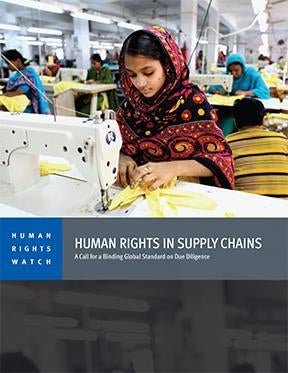
A Call for a Binding Global Standard on Due Diligence
This report draws upon two decades of Human Rights Watch research on child labor and other labor rights abuses, environmental damage, and violations of the rights to health, land, food, and water, in the context of global supply chains.
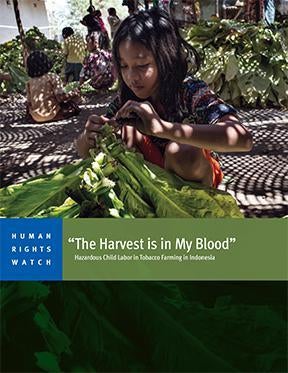
Hazardous Child Labor in Tobacco Farming in Indonesia
This report documents how child tobacco workers are exposed to nicotine, handle toxic chemicals, use sharp tools, lift heavy loads, and work in extreme heat. The work could have lasting consequences for their health and development. Companies should ban suppliers from using children for work that involves direct contact with tobacco, and the Indonesian government should regulate the industry to hold them accountable.
This report scrutinizes how courts approach hundreds of thousands lawsuits brought every year by debt buyers – firms that specialize in buying up bad debts which they then try to collect for themselves. These suits have often been marred by patterns of apparent error, legal deficiency, and alleged illegality.
How Settlement Businesses Contribute to Israel’s Violations of Palestinian Rights
This report documents how settlement businesses facilitate the growth and operations of settlements. These businesses depend on and contribute to the Israeli authorities’ unlawful confiscation of Palestinian land and other resources. They also benefit from these violations, as well as Israel’s discriminatory policies that provide privileges to settlements at the expense of Palestinians, such as access to land and water, government subsidies, and permits for developing land.
The 73-page report, “Teens of the Tobacco Fields: Child Labor in United States Tobacco Farming,” documents the harm caused to 16- and 17-year-olds who work long hours as hired laborers on US tobacco farms, exposed to nicotine, toxic pesticides, and extreme heat. Nearly all of the teenagers interviewed suffered symptoms consistent with acute nicotine poisoning – nausea, vomiting, headaches, or dizziness – while working on tobacco farms.
Hazardous Child Labor in Small-Scale Gold Mining in the Philippines
This 39-page report documents how thousands of Filipino children – some just 9 years old – work in illegal, small-scale gold mines, mostly financed by local businessmen. Children work in unstable 25-meter-deep pits or underwater along the coastal shore or in rivers, and process gold with mercury, a toxic metal. In September 2014, a 17-year-old boy suffocated in an underground mine because there was no machine providing oxygen. The Philippine government should act on its public commitment to end child labor in mining, Human Rights Watch said.
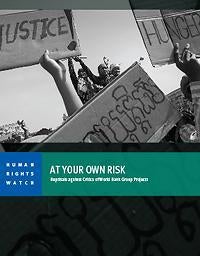
Reprisals against Critics of World Bank Group Projects
This report details how governments and powerful companies have threatened, intimidated, and misused criminal laws against outspoken community members who stand to be displaced or otherwise allegedly harmed by projects financed by the World Bank and its private sector lending arm, the International Finance Corporation (IFC). The World Bank and IFC have failed to take adequate steps to help create a safe environment in which people can express concern or criticism about projects funded by the Bank Group without risk of reprisal, Human Rights Watch found.
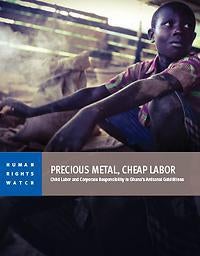
Child Labor and Corporate Responsibility in Ghana’s Artisanal Gold Mines
This 82-page report documents the use of child labor in Ghana’s artisanal, or unlicensed, mines, where most mining takes place. It is estimated that thousands of children work in hazardous conditions in violation of Ghanaian and international law. They pull the gold ore out of shafts, carry and crush loads of ore, and process it with toxic mercury.
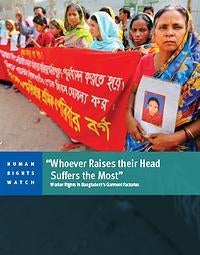
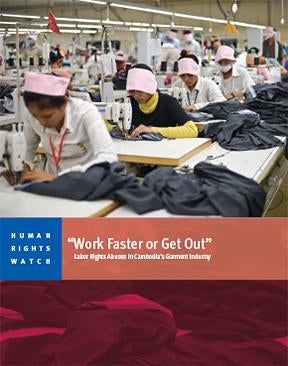
This 78-page report is based on interviews with more than 160 workers from 44 factories, most of them making garments for retail companies in North America, Europe, and Australia.
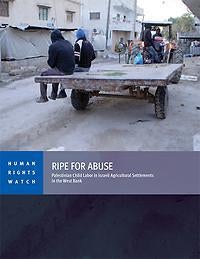
Palestinian Child Labor in Israeli Agricultural Settlements in the West Bank
This 74-page report documents that children as young as 11 work on some settlement farms, often in high temperatures. The children carry heavy loads, are exposed to hazardous pesticides, and in some cases have to pay themselves for medical treatment for work-related injuries or illness.