Cuban and Other Third-Country Nationals Deported from the US to Mexico
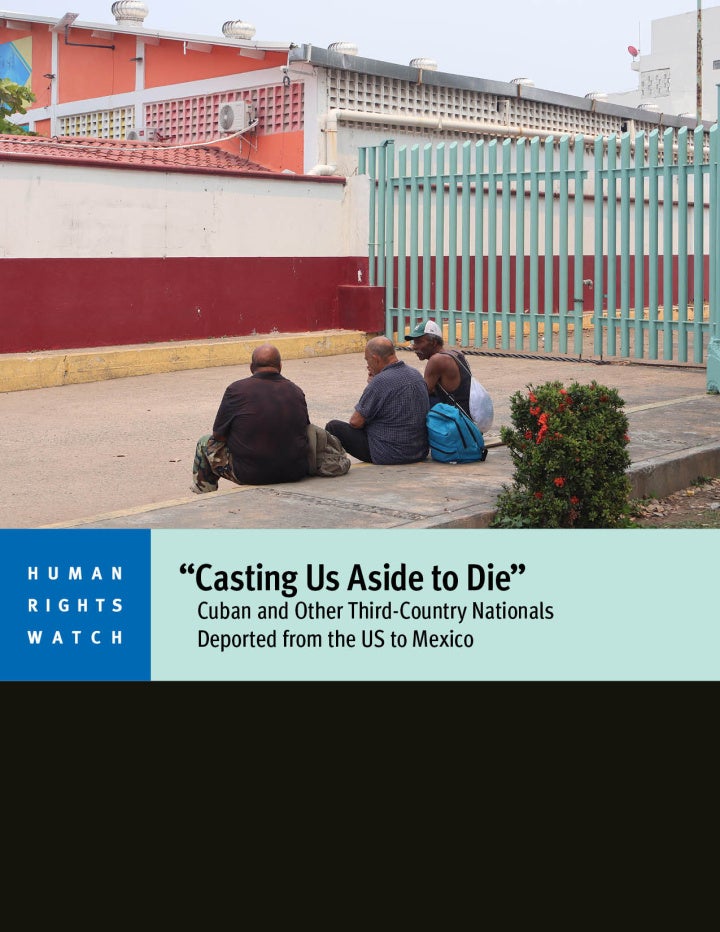
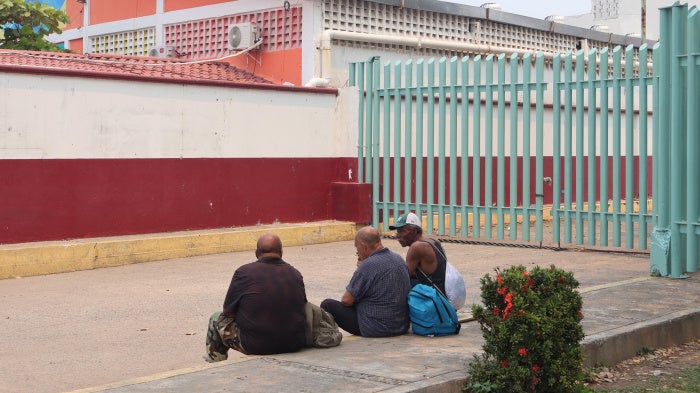
The 66-page report, “‘Casting Us Aside to Die:’ Cuban and Other Third-Country Nationals Deported from the US to Mexico,” documents US government abuses against Cubans and other third-country nationals deported to Mexico between January 2025 and March 2026. With no other recourse to obtain permanent residency in Mexico, many Cuban deportees, whose home government refuses to take them back, are trapped in a legal limbo. Since arriving in Mexico, they have received little if any government support, and many are without access to shelter, food, or health care.
Trafficking of Nepali Girls and Women to India’s Brothels
Hundreds of thousands of women and children are employed in Indian brothels—many of them lured or kidnapped from Nepal and sold into conditions of virtual slavery. The victims of this international trafficking network routinely suffer serious physical abuse, including rape, beatings, arbitrary imprisonment and exposure to AIDS.
On April 8, 1995, senior Mexican army officers invited us to discuss the human rights situation in Chiapas and offered information on the internal investigations conducted by the army into several violent incidents of the 1994 Chiapas uprising of the Zapatista National Liberation Army and its suppression.
By early 1995, the international tribunal established by the U.N. to adjudicate war crimes and crimes against humanity in the former Yugoslavia had indicted 22 individuals for serious violations of humanitarian law, including the crime of genocide.
eginning in June 1994, the government of Iraq issued at least nine decrees that establish severe penalties, including amputation, branding and the death penalty for criminal offenses such as theft, corruption, currency speculation and military desertion.
Haiti faced its first opportunity for genuine, democratic elections since the 1990 contest that brought Pres. Aristide to office with the parliamentary and local elections held on June 25, 1995.
One year after President Clinton unconditionally renewed Most Favored Nation status for China and international pressure on China to improve its human rights practices dropped off dramatically, the Chinese government continues to impose tight controls on dissent and to engage in a pattern of systematic abuse of prisoners.
Two years after a bloody and devastating civil war, the human rights situation in Tajikistan remains precarious. Since the spring of 1993, refugees and internally displaced persons have returned to their villages in the southern province of Khatlon, from which the largest number of people were displaced following the war.
The U.S. has pursued the development of at least 10 different tactical laser weapons that have the potential of blinding individuals. The existence of most of these programs is not known to the American public, Congress, or even throughout the military, and services responsible for laser weapons seem largely unaware of the programs in research and development in other services.
For the last decade South Africa’s KwaZulu-Natal region has been troubled by political violence. This conflict escalated during the 4 years of negotiations for a transition to democratic rule, and reached the status of a virtual civil war in the last months before the national elections of April 1994, significantly disrupting the election process.
International Support for the Perpetrators of the Rwandan Genocide
After a year in exile, the perpetrators of the Rwandan genocide have rebuilt their military infrastructure, largely in Zaire, and are rearming themselves in preparation for a violent return to Rwanda.
This report — the fourth in a series — documents Russian forces' flagrant human rights violations against the civilian population in the ongoing conflict with Chechen rebels.
One year after the genocide began in Rwanda, the crisis continues. Despite calls for justice inside and outside the country, no criminal trials, national or international, have taken place. The Rwandan government is now arresting some 1,500 persons a week, producing life-threatening overcrowding and appalling treatment in the prisons and fostering insecurity among the population at large.
Human Rights Abuses Along the U.S. Border with Mexico Persist Amid Climate of Impunity
U.S. Border Patrol agents are committing serious human rights violations, including unjustified shootings, rapes and beatings, while enjoying virtual impunity for their actions.
One year after the genocide began in Rwanda, the crisis continues. Despite calls for justice, no criminal trials, national or international, have taken place. As of April 1995, the Rwandan government was arresting some 1,500 persons a week, producing life-threatening overcrowding and appalling treatment in the prisons and fostering insecurity among the population at large.
The departure of the last U.N. troops of the Somalia operation in March 1995 marks a critical juncture for Somalia, and for international peacekeeping. In researching this report, we set out to discover what would be left behind when the U.N.