Discrimination and Violations of the Right to Work for Persons with Albinism in Malawi
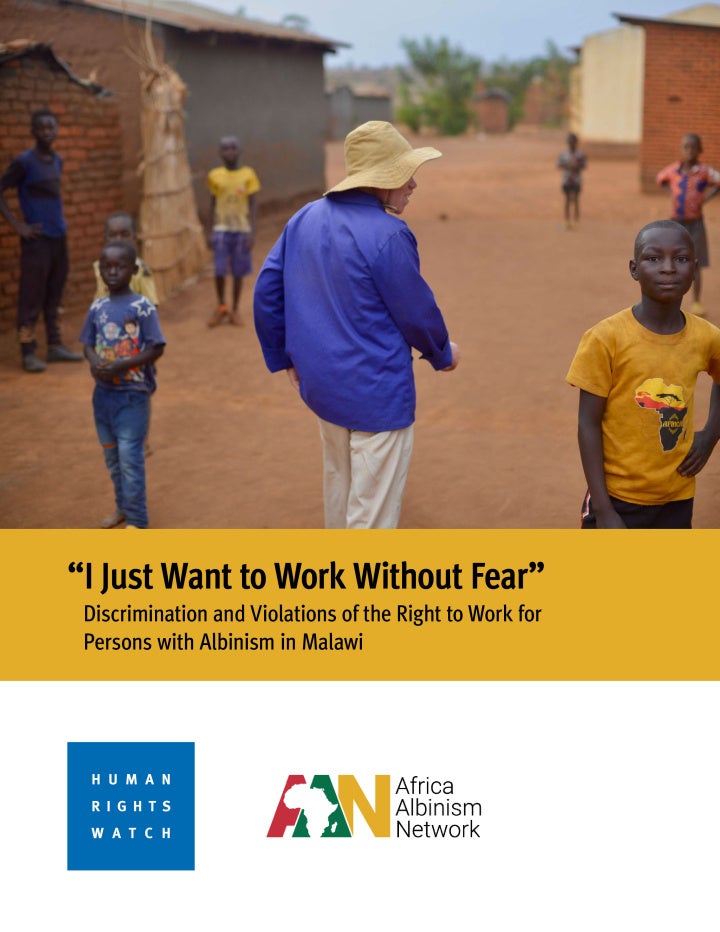
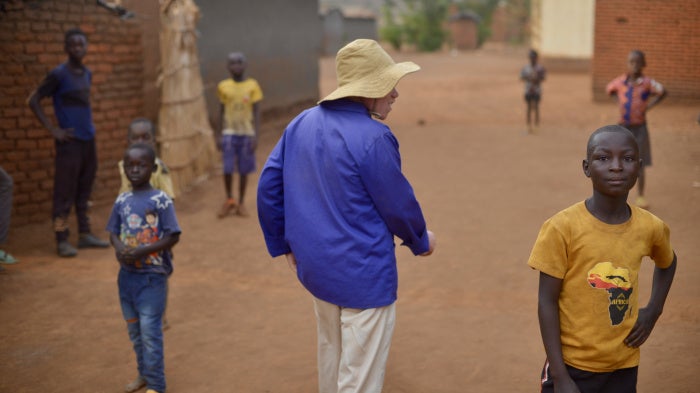
The 65-page report, “‘I Just Want to Work Without Fear’: Discrimination and Violations of the Right to Work for Persons with Albinism in Malawi,” documents how stigma, discrimination, fear of violence, and lack of reasonable accommodation undermine the rights of people with albinism to work, education, health and social security.
This 61-page report documents hundreds of arbitrary arrests, widespread beatings and torture, and politically motivated job dismissals of members and supporters of the opposition following the October 15 presidential election, which was widely condemned by the international community as fraudulent.
Despite significant changes in the political environment over the past six months, most notably the August 2003 signing of a peace agreement, the departure into exile of president Charles Taylor and the establishment of a newly-mandated United Nations peacekeeping mission, the plight of civilians in Liberia remains dire.
The trial of Bosnian Croat Dominik Ilijasevic-Como, age 38, before the Zenica Cantonal Court, began on December 16, 2002 in Zenica, in Federation Bosnia and Herzegovina (Federation BH).
Tens of thousands of girls in El Salvador work as domestics, a form of labor that makes them particularly vulnerable to physical abuse and sexual harassment. This 35-page report calls on the Salvadoran government to include domestic workers, who are almost exclusively girls and young women, in its program to address hazardous child labor.
The Use of Oil Revenue in Angola and Its Impact on Human Rights
More than four billion dollars in state oil revenue disappeared from Angolan government coffers from 1997-2002, roughly equal to the entire sum the government spent on all social programs in the same period. Meanwhile, although the 27-year civil war ended in 2002, an estimated 900,000 Angolans are still internally displaced. Millions more have virtually no access to hospitals or schools.
Since January 11, 2002, the U.S. government has sent more over 700 people picked up from around the world to Guantanamo. As the detention camp begins its third year, the public still does not know who the detainees are, what they have allegedly done, and whether and when they will be charged with crimes or released.
Bringing Justice for the Human Rights Crimes in Iraq’s Past
Iraq under the rule of Saddam Hussein witnessed extraordinarily serious human rights crimes. Human Rights Watch has documented genocide, crimes against humanity, and war crimes in its several investigative reports on Iraq over the years.
The Burundian military and armed opposition forces have committed serious war crimes, including civilian killings and rapes. The recent political agreement between the major parties in Burundi’s ten-year civil war should not have granted immunity from prosecution for such blatant and widespread crimes.
This 50-page report documents violations of human rights and humanitarian law since the Indonesian government imposed martial law in Aceh on May 19 and renewed military operations against the armed, separatist Free Aceh Movement (Gerakan Aceh Merdeka, or GAM).
This 29-page report documents how violence in Nigeria’s southern Delta State this year, especially during the state and federal elections in April and May, resulted in hundreds of deaths, the displacement of thousands of people, and the destruction of hundreds of homes. Among the dead were probably dozens killed by the government security forces.
The Conduct of the War and Civilian Casualties in Iraq
Hundreds of civilian deaths in the U.S.-led invasion of Iraq could have been prevented by abandoning two misguided military tactics. The use of cluster munitions in populated areas caused more civilian casualties than any other factor in the coalition´s conduct of major military operations in March and April. U.S.
Addressing the Plight of Kosovo Roma Refugees in Macedonia
The plight of Kosovo Roma refugees in Macedonia—dramatically demonstrated by their protest occupation of a border area between Greece and Macedonia from May until August this year—highlights the gap between international refugee law on the one hand, and the reality for refugees in Europe today on the other.
On September 20, Algerian President Abdelaziz Bouteflika announced a new body to investigate the thousands of cases of persons who were "disappeared" during the civil strife of the 1990s and who remain unaccounted for.
This 110-page report documents serious violations of workers' human rights and examines the role of the government. It features case studies in the private and public sectors, in manufacturing and service industries, and concludes that workers face an uphill battle to exercise their rights, regardless of the sector.
This 40-page report documents killings, arrest, detention, ill-treatment, torture and other forms of harassment and intimidation of real or perceived critics of the government over the past two years. Most of these abuses have been carried out by the Nigerian police or by members of the intelligence services known as the State Security Service (SSS).