Hanoi’s Continuing Assault on Workers’ Right to Organize
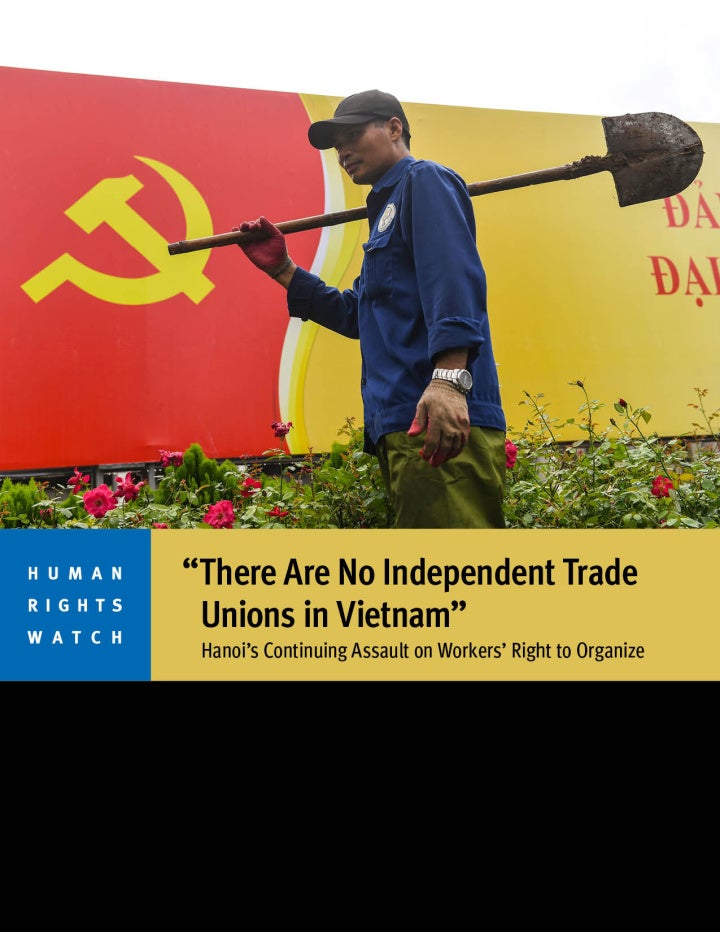
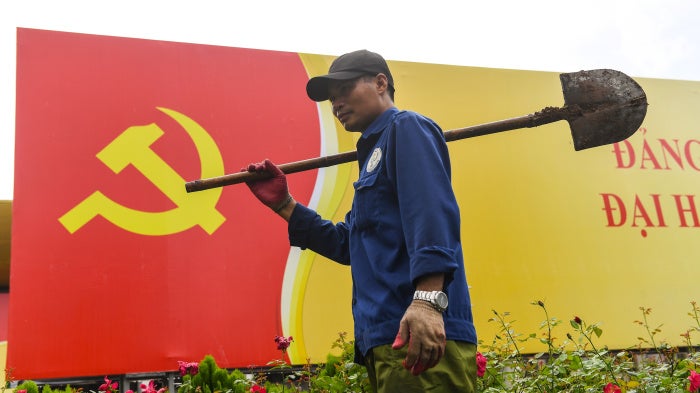
The 49-page report, “There Are No Independent Trade Unions in Vietnam: Hanoi’s Continuing Assault on Workers’ Right to Organize,” documents the Vietnamese governments’ continuing useof vague, overbroad criminal laws to suppress the activities of human rights and labor rights defenders, while maintaining an atmosphere of repression to thwart independent labor organizing. The government has issued decrees and articles in state-run media that reaffirm that all labor organizations in Vietnam are under the government’s authority, and portray independent trade unions as dangerous, anti-state entities.
This 115-page report documents how state officials arrest, detain and deport undocumented foreign migrants, particularly those from Zimbabwe and Mozambique, in ways that contravene South Africa’s immigration law. The report also details how commercial farmers ignore basic employment law protections even when they employ documented foreign migrants and South Africans.
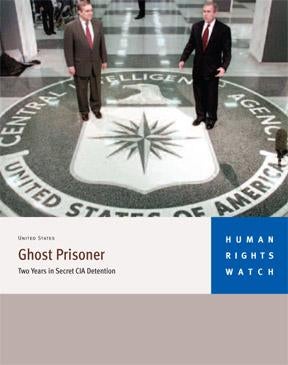
This 50-page report contains a detailed description of a secret CIA prison from a Palestinian former detainee who was released from custody. The report provides the most comprehensive account to date of life in a secret CIA prison, as well as information regarding 38 possible detainees.
This briefing paper outlines some of the key questions that candidates should consider if they are to tackle the human rights situation in the country: corruption; ethnic and political violence; reform of the security services; and reform of the electoral machinery.
An increased international presence in eastern Chad is urgently needed to protect civilians threatened by worsening insecurity and brutal militia violence. Civilians in eastern Chad have long suffered the consequences of living across the border from Sudan’s troubled western region of Darfur, but violence in Chad has recently taken on its own momentum.
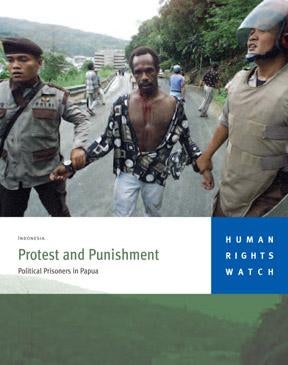
This 42-page report documents how the Indonesian government continues to use the criminal law to punish individuals who peacefully advocate for independence in the eastern Indonesian provinces of Papua and West Irian Jaya (hereafter referred to as Papua).
Girls make up a minority of children who come in contact with justice systems, but are vulnerable to violence, particularly sexual abuse and rape, by police as well as staff in detention facilities. Girls who live or work on the street are often easy targets for police violence because they are young, often poor, ignorant of their rights, and lacking responsible adults to look out for them.
In armed conflicts around the world, cluster munitions are the category of weapons most in need of stronger national and international law to protect civilians from harm.
Many girls around the world routinely experience school-related violence that puts their physical and psychological well-being at risk, undermines their opportunities to learn, and often causes them to drop out of school entirely. Schoolgirls may be raped, sexually assaulted, and sexually harassed by their classmates and even by their teachers.
Indonesia’s military has a longstanding practice of raising independent income outside the approved budget process. It earns funds from businesses it owns, services it provides for hire, and the protection rackets it operates.
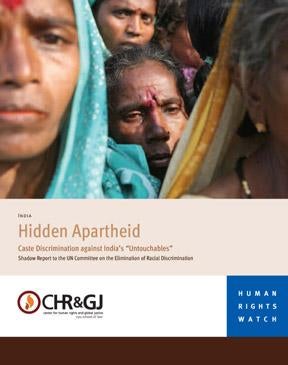
Caste Discrimination against India’s "Untouchables"
This 113-page report was produced as a “shadow report” in response to India’s submission to the United Nations Committee on the Elimination of Racial Discrimination (CERD), which monitors implementation of the International Convention on the Elimination of All Forms of Racial Discrimination (ICERD).
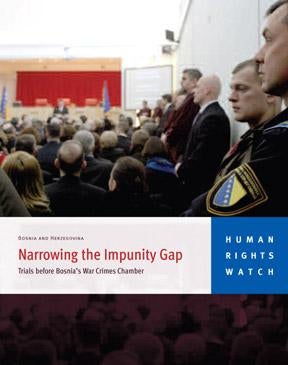
This 61-page report evaluates the chamber’s work in conducting trials. Although a relatively new institution, the chamber has made substantial headway in trying cases, including the trial of 11 defendants charged with genocide for their role in the Srebrenica massacre.
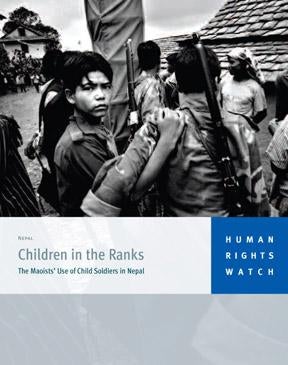
This 72-page report describes how the Maoists in Nepal have continued using child soldiers, and even recruited more children, despite signing a Comprehensive Peace Agreement with the Nepali government on November 21. The peace agreement commits both sides to stop recruiting child soldiers.
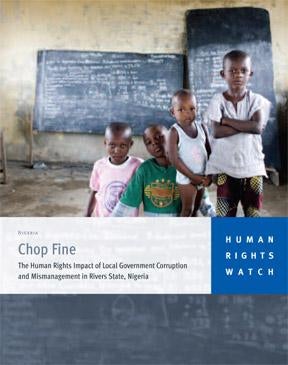
The Human Rights Impact of Local Government Corruption and Mismanagement in Rivers State, Nigeria
This 107-page report details the misuse of public funds by local officials in the geographic heart of Nigeria’s booming oil industry, and the harmful effects on primary education and basic health care. The report is based on scores of interviews in Rivers state with government and donor agency officials, civil servants, health care workers, teachers, civil society groups and local residents.
In this paper, Human Rights Watch noted that Senegal had not even passed the legislation needed to try Habré. Human Rights Watch called on the African Union to name a special envoy to help Senegal prepare Habré’s trial.
This document sets out developments in the use of diplomatic assurances in select individual cases since the publication of our April 2005 report “Still at Risk: Diplomatic Assurances No Safeguard Against Torture.