Hanoi’s Continuing Assault on Workers’ Right to Organize
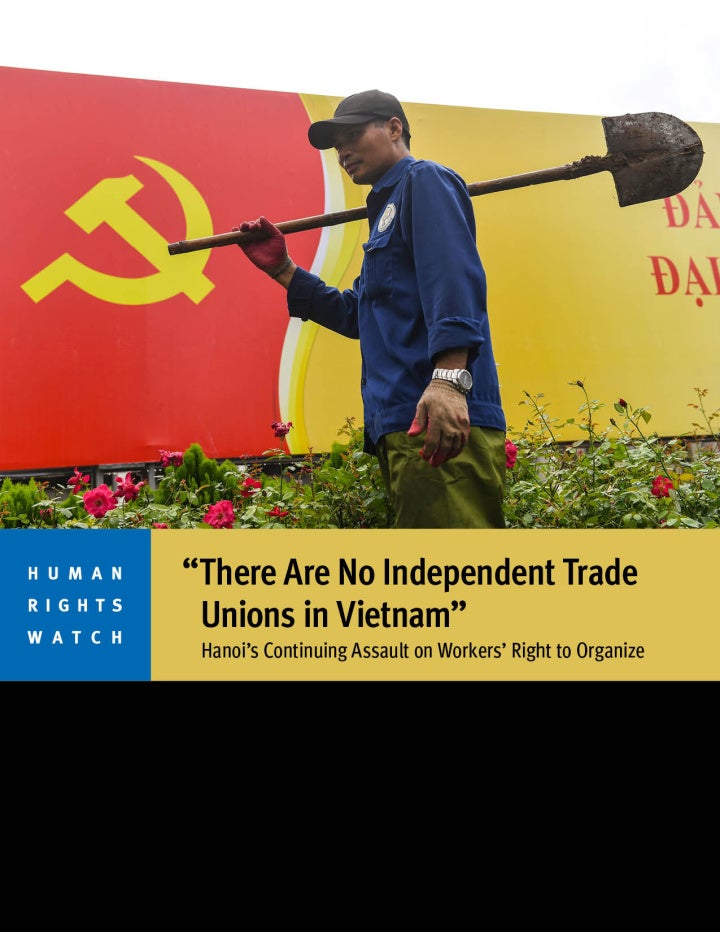
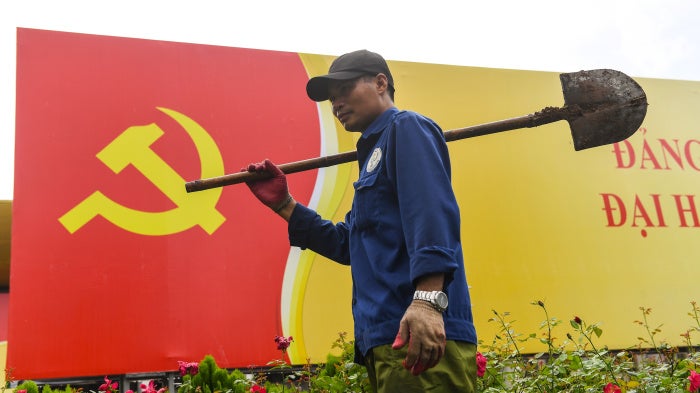
The 49-page report, “There Are No Independent Trade Unions in Vietnam: Hanoi’s Continuing Assault on Workers’ Right to Organize,” documents the Vietnamese governments’ continuing useof vague, overbroad criminal laws to suppress the activities of human rights and labor rights defenders, while maintaining an atmosphere of repression to thwart independent labor organizing. The government has issued decrees and articles in state-run media that reaffirm that all labor organizations in Vietnam are under the government’s authority, and portray independent trade unions as dangerous, anti-state entities.
In this investigation of the application of the 1991 Latvian law “On the Registration of Residents,” our findings indicate that the Department of Citizenship and Immigration has targeted certain non-citizen groups and denied them registration as legal residents of Latvia.
The Widespread Rape of Somali Women Refugees in North Eastern Kenya
While the tragedy in Somalia made daily news, the plight of thousands of refugees in neighboring Kenya remains unpublicized. Since 1992, approximately 300,000 Somalis have fled across the 800 mile Kenya-Somali border, most of them women and children. Many were the victims of violence, including rape, as they fled war-torn Somalia.
The eleven-year-old conflict in south Sudan continues to bring famine, pestilence and death to southerners (over one million people have died as a result of the war). This suffering is caused by gross abuses of human rights by the government and its Sudan Popular Armed Forces and the two factions of the rebel Sudan People’s Liberation Army.
The U.N. peace-keeping period in Cambodia was marked by major human rights violations, among them the slaughter of ethnic Vietnamese residents of Cambodia, abuse of prisoners and incidents of politically-motivated murder, assault and intimidation that accelerated in the months leading up to the May 1993 elections.
On July 18, 1992, nine students and a professor were disappeared from the Enrique Guzmén y Valle University outside Lima, widely known as “La Cantuta,” in circumstances that suggest the participation of the Peruvian army and a secret death squad operated by the National Intelligence Service.
One Party State in KwaZulu Homeland Threatens Transition to Democracy
In examining the human rights record of the government of the KwaZulu homeland in Natal province of South Africa, we found that it does not support Chief Buthelezi’s claim that he is a democrat. KwaZulu is a one-party state, in which the institutions of Inkatha and those of the homeland administration are virtually indistinguishable.
On September 13, 1993, as Israel and the Palestine Liberation Organization met in Washington to sign an interim self-rule accord for Gaza and Jericho, protestors against this agreement were killed and injured in Beirut by Lebanese Army troops. The demonstration was held in defiance of an indefinite Lebanese government ban against all assemblies and processions.
Since the fall of the Ceausescu regime in 1989, Romania has experienced a dramatic increase in xenophobia and racist propaganda characterized by an increasingly vocal press and right-wing political parties.
On April 21, 1993, the Bolivian Supreme Court delivered a historic verdict, sentencing a former military dictator and forty-seven collaborators to lengthy prison terms for human rights violations, the disruption of a democratic government, and other offenses. This report reviews the verdict of the Bolivian Supreme Court.
Government efforts to Islamicize Pakistan's civil and criminal law, which began in earnest in the early 1980s, have dangerously undermined fundamental rights of freedom of religion and expression, and have led to serious abuses against the country's religious minorities.
The Misguided Use of In-Country Refugee Processing in Haiti
The Clinton Administration's efforts toward achieving a political solution in Haiti can be favorably contrasted to his predecessor's inaction. Nevertheless, this progress is diminished by the continuation and promotion of a refugee policy that is inhumane and illegal and ultimately calls into question the U.S. government's commitment to human rights and a democratic regime in Haiti.
The Report of the United Nations Commission on the Truth for El Salvador
The Salvadoran peace process, fostered and shepherded by the United Nations, has been unique in the central place afforded human rights. A comprehensive human rights accord signed in July 1990 was a stepping-stone on the path to a broader agreement, and set the stage for United Nations verification of the peace process.