The Inhumane Effects of White Phosphorus Munitions and the Need for Stronger Law
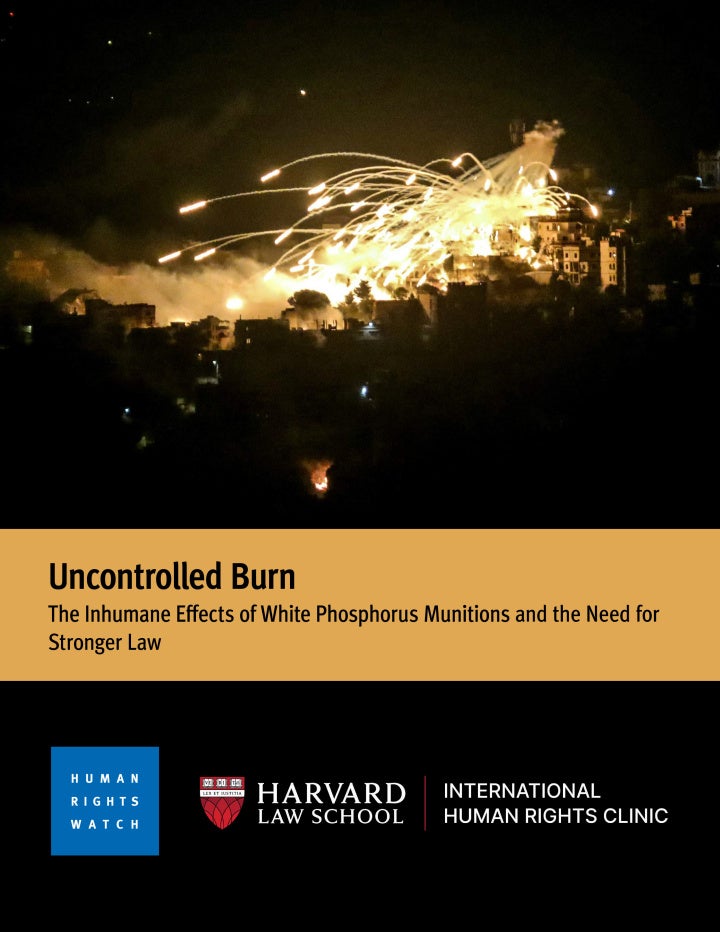
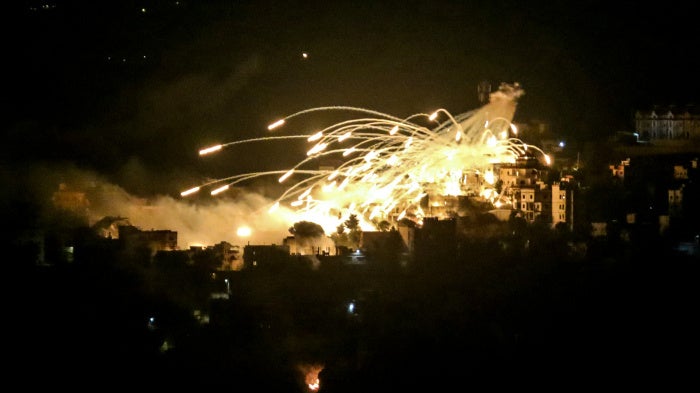
The 45-page report, “Uncontrolled Burn: The Inhumane Effects of White Phosphorus Munitions and the Need for Stronger Law,” documents 23 verified incidents of Israeli use in southern Lebanon between March and May 2026. The report also details the horrific harm the munitions have caused in armed conflicts in recent years. White phosphorus munitions, which produce fire when their payload is exposed to oxygen, are not currently regulated by a specific treaty.
Eight months after the collapse of the Taliban, northern Afghanistan remains on a dangerous precipice. Factional rivalries periodically erupt into open hostilities, jeopardizing civilian security, aid delivery, and the resettlement of displaced communities.
In investigations in Egypt, Ecuador, India, and the United States, Human Rights Watch has found that the children working in agriculture are endangered and exploited on a daily basis. Human Rights Watch found that despite the vast differences among these four countries, many of the risks and abuses faced by child agricultural workers were strikingly similar.
As Afghan and United Nations officials prepare for the forthcoming loya jirga (grand national assembly), as called for in the 2001 Bonn Agreement to choose Afghanistan's next government, ordinary Afghans are increasingly terrorized by the rule of local and regional military commanders - warlords - who are reasserting their control over large areas of Afghanistan.
Weapons Proliferation, Political Violence, and Human Rights in Kenya
This 119-page report, entitled Playing with Fire: Weapons Proliferation, Political Violence, and Human Rights in Kenya, documents the dangerous nexus between arms availability and ethnic attacks in Kenya. The report highlights politically instigated armed violence on Kenya's coast during the last general election cycle, in 1997.
As part of the military buildup resulting from the December 13, 2001, attack on the Indian parliament, both India and Pakistan have emplaced large numbers of antipersonnel and antivehicle mines along their common border.
Vigilante violence and human rights abuses by vigilante groups have become increasingly serious problems in Nigeria in recent years. Despite repeated government promises to tackle crime and to reform and expand the police force, the rate of armed robbery and other violent crime in Nigeria remains extremely high.
On May 1, the Department of State certified to the U.S. Congress that Colombia had met the three human rights conditions contained in the Foreign Operations, Export Financing and Related Programs Act, 2002 (P.L. 107-115). By law, the State Department must certify before releasing the first tranche of military aid for FY 2002, an estimated $104 million dollars.
Since the September 11 attacks in the United States, Prime Minister Mahathir has justified use of the Internal Security Act (ISA) on counter-terrorism grounds. The September attacks also prompted a major shift in U.S. policy regarding political repression in Malaysia. In July 2001, Foreign Minister Syed Hamid met with U.S.
Afghan women continue to face serious threats to their physical safety, which denies them the opportunity to exercise their basic human rights and to participate fully in the rebuilding of their country.
State Abuses of Unaccompanied Migrant Children by Spain and Morocco
Moroccan migrant children in Spain are frequently beaten by police and abused by staff and other children in overcrowded, unsanitary residential centers, Human Rights Watch charged in this report. Spain also summarily expels children as young as eleven to Morocco, where Moroccan policebeat and ill-treat them and then abandon them to the streets.
On April 3, 2002, the Israeli Defense Forces (IDF) launched a major military operation in the Jenin refugee camp, home to some fourteen thousand Palestinians, the overwhelming majority of them civilians.
What is the UN General Assembly Special Session for Children? What does Human Rights Watch hope the session will accomplish? What role has the United States taken during these negotiations? Why is the Convention on the Rights of the Child important to the Special Session? Why hasn't the United States ratified the Convention?