Reports

Arakan Army Massacre of Rohingya Muslims in Hoyyar Siri, Myanmar

The 56-page report, “‘Skeletons and Skulls Scattered Everywhere’: Arakan Army Massacre of Rohingya Muslims in Hoyyar Siri, Myanmar,” documents the May 2, 2024 attack, in which Arakan Army fighters deliberately fired on unarmed villagers who were seeking safety after the armed group advanced on two Myanmar military bases in the vicinity. Details of the massacre only began emerging more than a year later, after some survivors fled to Bangladesh and Malaysia.
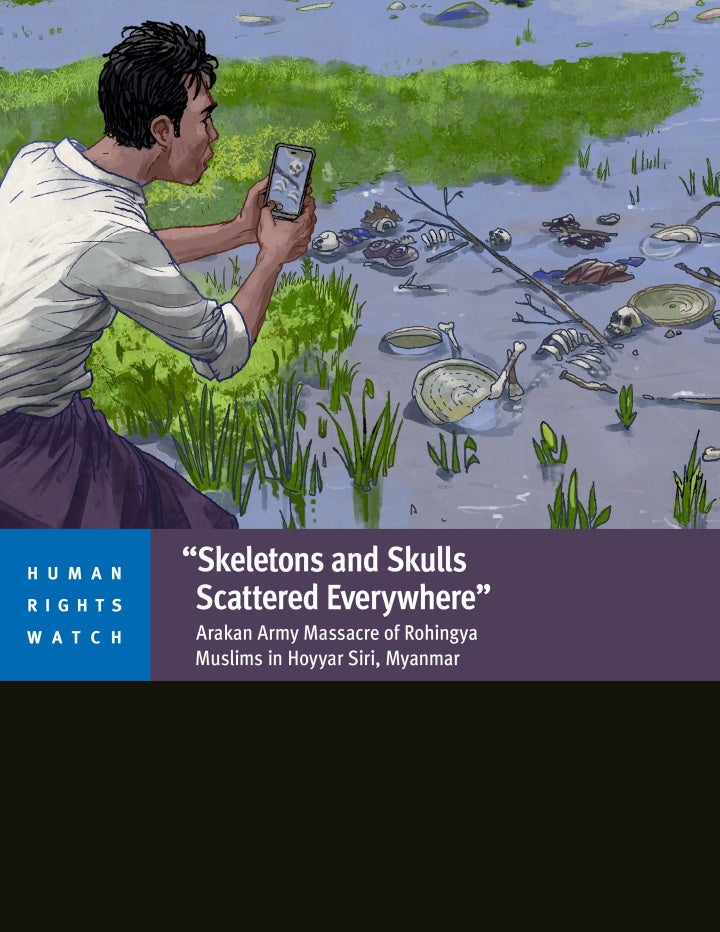
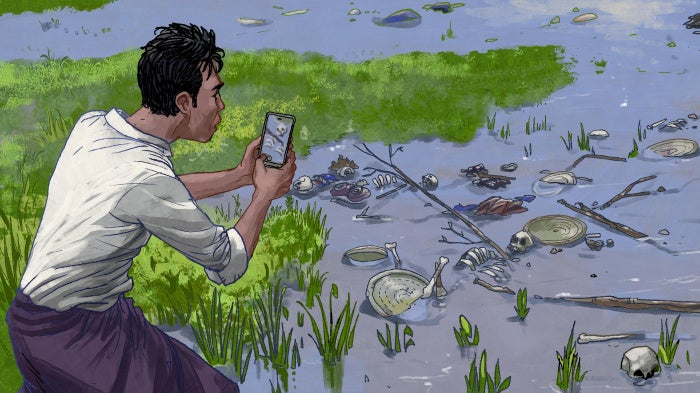
Illustration of a man taking photos of skeletal remains with his mobile phone
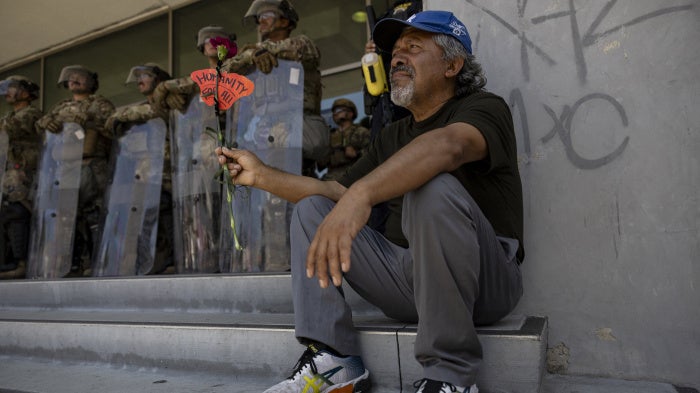
A man holds a flower and the message "Humanity for All" in front of a line of soldiers

Search

  • August 2, 2006

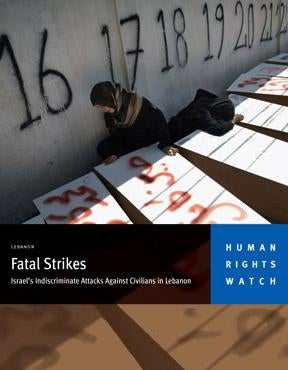
    Israel's Indiscriminate Attacks Against Civilians in Lebanon

    This report documents serious violations of international humanitarian law (the laws of war) by Israel Defense Forces (IDF) in Lebanon between July 12 and July 27, 2006, as well as the July 30 attack in Qana. During this period, the IDF killed an estimated 400 people, the vast majority of them civilians, and that number climbed to over 500 by the time this report went to print.
  • August 1, 2006

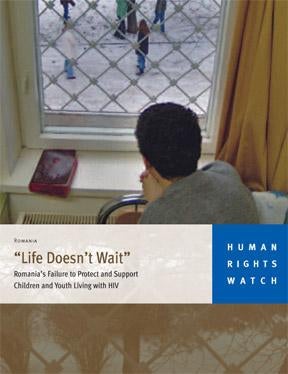
    Romania’s Failure to Protect and Support Children and Youth Living with HIV

    More than 7,200 Romanian children and youth aged 15 to 19 are living with HIV. The vast majority were infected with HIV between 1986 and 1991 as a direct result of government policies that exposed them to contaminated needles and “microtransfusions” in which small children were injected with unscreened blood in the mistaken belief that this would improve their immunological status.
  • July 28, 2006

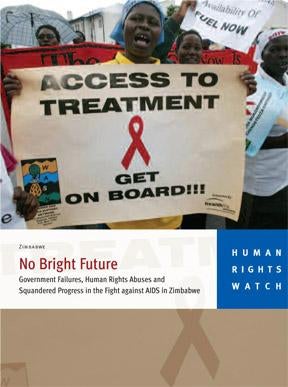
    Government Failures, Human Rights Abuses and Squandered Progress in the Fight against AIDS in Zimbabwe

    This 72-page report documents how the abusive policies and practices of the Zimbabwean government are fueling the HIV/AIDS epidemic, increasing vulnerability to infection, and obstructing access to treatment.
  • July 27, 2006

    Abuses against Domestic Workers Around the World

    This 93-page report synthesizes Human Rights Watch research since 2001 on abuses against women and child domestic workers originating from or working in El Salvador, Guatemala, Indonesia, Malaysia, Morocco, the Philippines, Saudi Arabia, Singapore, Sri Lanka, Togo, the United Arab Emirates, and the United States.

  • July 26, 2006

    A Topical Digest of the Case Law of the International Criminal Tribunal for the Former Yugoslavia

    This unique 861-page book organizes the decisions of the International Criminal Tribunal for the former Yugoslavia by topic, including genocide, crimes against humanity, war crimes, individual criminal responsibility, command responsibility, affirmative defenses, jurisdiction, sentencing, fair trial rights, guilty pleas and appellate review.
  • July 22, 2006

    Soldiers' Accounts of Detainee Abuse in Iraq

    Torture and other abuses against detainees in U.S. custody in Iraq were authorized and routine, even after the 2004 Abu Ghraib scandal, according to accounts from soldiers in this 53-page report. Soldiers describe how detainees were routinely subjected to severe beatings, painful stress positions, severe sleep deprivation, and exposure to extreme cold and hot temperatures.
  • July 10, 2006

    Attacks on Education in Afghanistan

    This 142-page report documents 204 incidents of attacks on teachers, students and schools since January 2005. This number, which underestimates the severity of the crisis due to the difficulty of gathering data in Afghanistan, reflects a sharp increase in attacks as the security situation in many parts of the country has deteriorated.

  • June 28, 2006

    On November 7, the Supreme Court agreed to review the case of Salim Ahmed Hamdan, who is challenging the lawfulness of the U.S. government trying him for alleged war crimes before a military commission at Guantánamo Bay. The Court is expected to render a decision in the case of Hamdan v. Rumsfeld in late June, 2006.
  • June 28, 2006

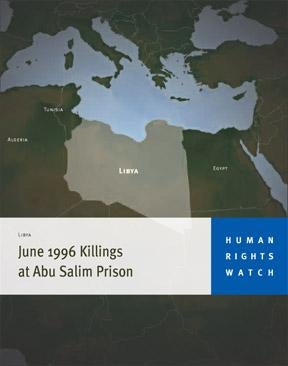
    In the summer of 1996, stories began to filter out of Libya about a mass killing in Tripoli’s Abu Salim prison. The details remained scarce, and the government initially denied that an incident had taken place. Libyan groups outside the country said up to 1,200 prisoners had died.
  • June 27, 2006

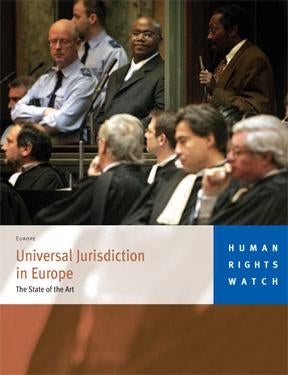
    The State of the Art

    This 101-page report looks beyond shrill debates about the concept and examines how it is working in practice. Based on interviews with judges, investigators, lawyers and officials in eight European countries, the report describes how some governments, including Britain, Denmark, Norway and the Netherlands, have created special war crimes units to conduct investigations across the globe.
  • June 22, 2006

    The Human Rights Crisis in Eastern Chad

    This paper documents a drastic deterioration in the human rights situation on the Chad side of the Chad-Sudan border, where Sudanese government-backed “Janjaweed” militias raid at will, and Darfur rebels opposed to Khartoum forcibly recruit Sudanese refugees, including children, to serve as rebel fighters.
  • June 21, 2006

    Making Justice Accessible to Those Most Affected

    On March 29, 2006 former Liberian President Charles Taylor was surrendered to the U.N.-backed Special Court for Sierra Leone. Taylor’s surrender for trial provides an extraordinary opportunity for the people of Sierra Leone and West Africa to see justice done for atrocities committed during Sierra Leone’s armed conflict since 1996.
  • June 20, 2006

    The Human Rights Cost of the Indonesian Military's Economic Activities