Arakan Army Massacre of Rohingya Muslims in Hoyyar Siri, Myanmar
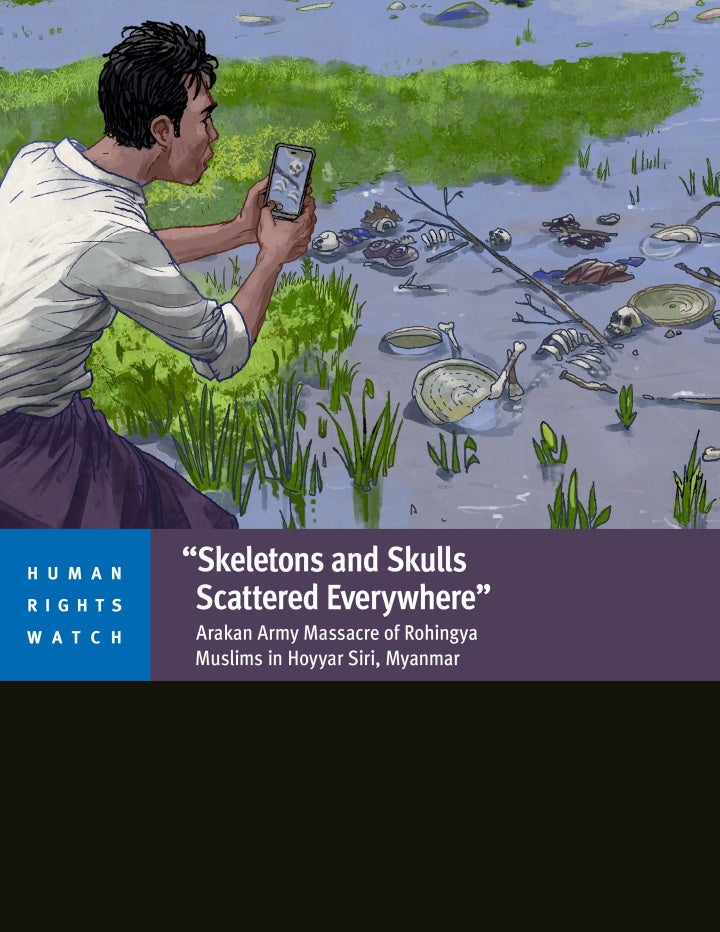
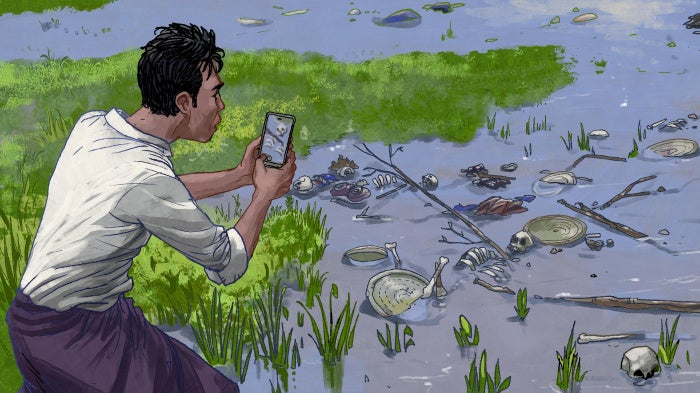
The 56-page report, “‘Skeletons and Skulls Scattered Everywhere’: Arakan Army Massacre of Rohingya Muslims in Hoyyar Siri, Myanmar,” documents the May 2, 2024 attack, in which Arakan Army fighters deliberately fired on unarmed villagers who were seeking safety after the armed group advanced on two Myanmar military bases in the vicinity. Details of the massacre only began emerging more than a year later, after some survivors fled to Bangladesh and Malaysia.
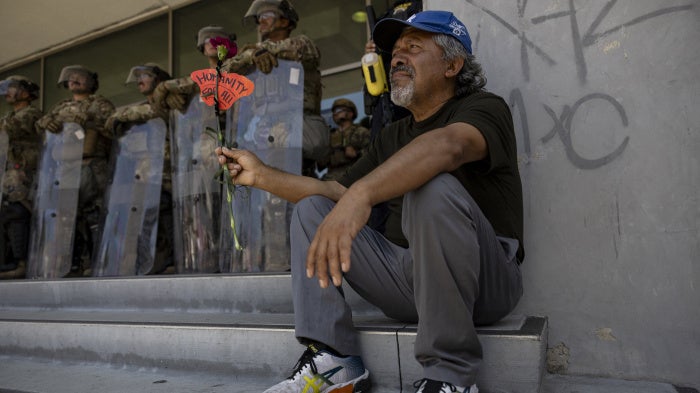
The 44-page briefing paper offers an analysis of the Dutch overseas integration test in light of the Netherlands’ international human rights obligations. Human Rights Watch found that people of Moroccan and Turkish origin are especially affected, while citizens from “western” countries such as Canada, Australia, and Japan are exempt.
This 45-page report documents intense government pressure on people who participated in the Andijan protests, families of refugees who fled Uzbekistan in the aftermath of the Andijan violence, and refugees who returned to Uzbekistan. Interrogations, constant surveillance, ostracism, and threats continued to generate new refugees from Andijan.
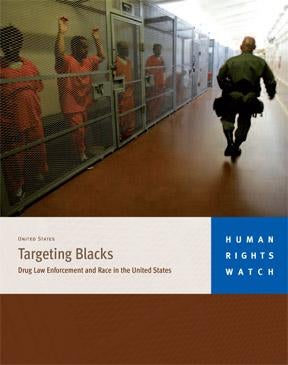
Drug Law Enforcement and Race in the United States
In this 67-page report, Human Rights Watch documents with detailed new statistics persistent racial disparities among drug offenders sent to prison in 34 states. All of these states send black drug offenders to prison at much higher rates than whites.
Life without Parole for Youth Offenders in the United States in 2008
In this update to Human Rights Watch’s work on eliminating the sentence of life without parole for juvenile offenders, a number of findings are presented that illustrate the troublesome nature of the sentence and how it is applied to youthful offenders.
This 42-page report documents 21 cases of beatings and torture of civilians carried out in October 2007 by a special reserve unit known as Rapid Mobile Intervention Group (Groupement Mobile d’Intervention Rapide, GMIR) in Muramvya province.
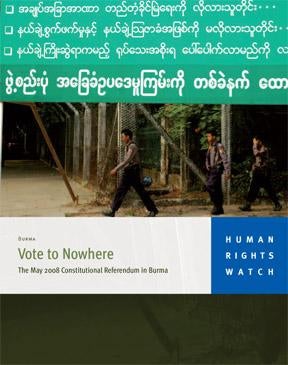
This 61-page report shows that the May 10 referendum in Burma is being carried out in an environment of severe restrictions on access to information, repressive media restrictions, an almost total ban on freedom of expression, assembly, and association, and the continuing widespread detention of political activists. It highlights recent government arrests, harassment and attacks on activists opposed to the draft constitution.
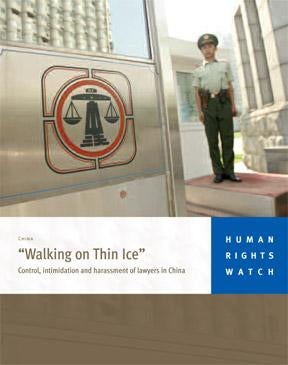
Control, Intimidation and Harassment of Lawyers in China
This 142-page report details consistent patterns of abuses against legal practitioners. These include intimidation, harassment, suspension of professional licenses, disbarment, physical assaults, and even arrest and prosecution when lawyers take politically sensitive cases, seek redress for abuses of power and wrongdoings by party or government agents, or challenge local power-holders.
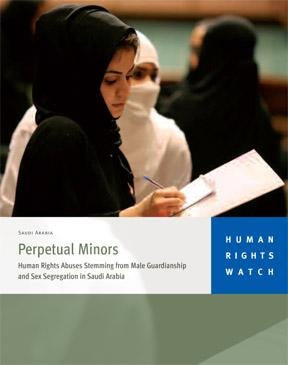
Human Rights Abuses Stemming from Male Guardianship and Sex Segregation in Saudi Arabia
In this 50-page report, Human Rights Watch draws on more than 100 interviews with Saudi women to document the effects of these discriminatory policies on a woman’s most basic rights.
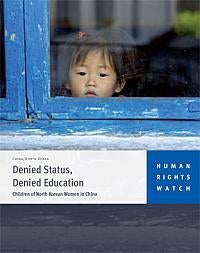
This 23-page report documents how such children live without legal identity or access to elementary education. These children live in the Yanbian Korean Autonomous Prefecture in eastern Jilin Province, northeast China (near its border with North Korea). Some are from North Korea while others were born in China and have Chinese fathers and North Korean mothers.
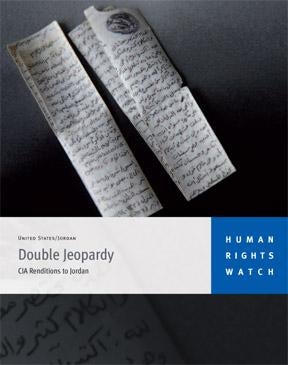
This 36-page report documents how Jordan’s General Intelligence Department (GID) served as a proxy jailer and interrogator for the CIA from 2001 until at least 2004. While a handful of countries received persons rendered by the United States during this period, no other country is believed to have held as many as Jordan.
Making the EU Central Asia Strategy an Effective Tool for Human Rights Improvements
Human Rights Watch welcomes the European Union’s adoption of a comprehensive Central Asia strategy in June 2007. Human Rights Watch believes that benchmarking, consultations, and transparency
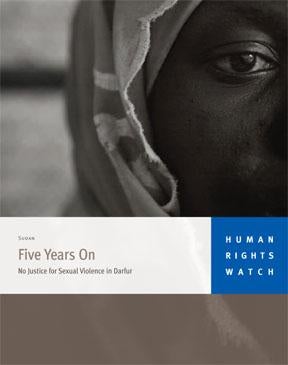
This 44-page report documents the widespread prevalence of sexual violence throughout Darfur, and details incidents of violent rape perpetrated on girls as young as 11 years old. The government of Sudan has failed to rein in the abuse, much of which is carried out by their own soldiers and allied militia. In spite of the presence of international peacekeepers in Darfur, they have to date been under-resourced and unable to protect women and girls from rape and other forms of violence.
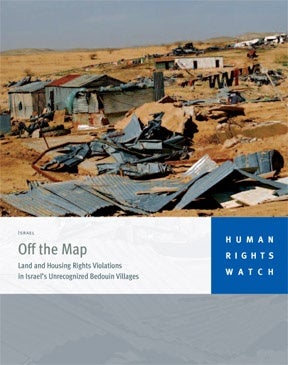
Land and Housing Rights Violations in Israel’s Unrecognized Bedouin Villages
This 130-page report documents how discriminatory Israeli laws and practices force tens of thousands of Bedouin in the south of Israel to live in “unrecognized” shanty towns where they are under constant threat of seeing their homes demolished and their communities torn apart.
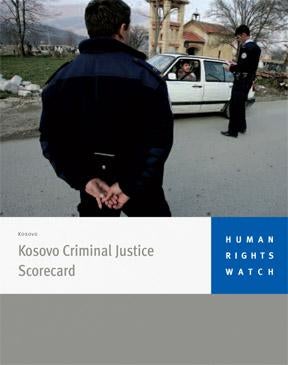
This 34-page report assesses progress in the justice system since the publication of a May 2006 Human Rights Watch report “Not on the Agenda: The Continuing Failure to Address Accountability in Kosovo Post-March 2004.”
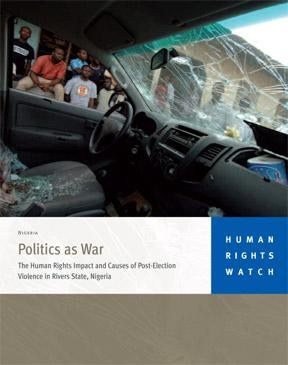
The Human Rights Impact and Causes of Post-Election Violence in Rivers State, Nigeria
This 55-page report is based on a two-week research mission that included interviews with victims, politicians, gang leaders, and law enforcement officials. The report found that Rivers’ gangs have grown powerful and violent through ties to influential politicians and because of the impunity long accorded them by political leaders and law enforcement agencies.