US Civil Rights Enforcement Under the Trump Administration
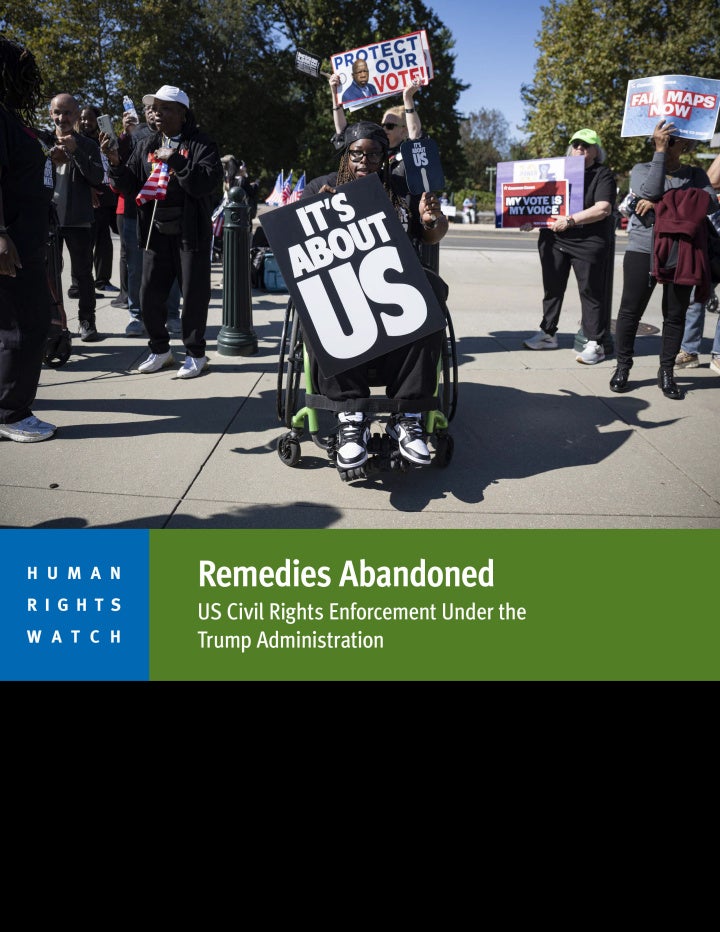
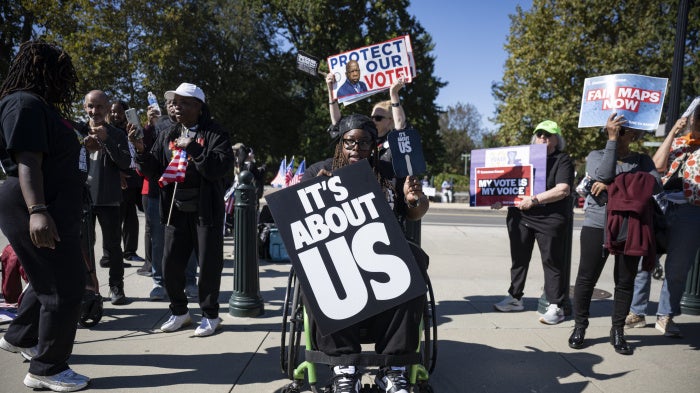
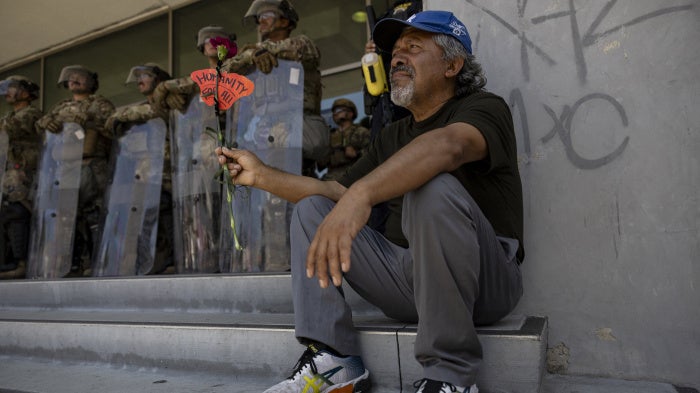
The 112-page report, “Remedies Abandoned: US Civil Rights Enforcement Under the Trump Administration,” documents the administration’s efforts to unravel the work of four key agencies between January 2025 and the spring of 2026: the Justice Department’s Civil Rights Division, which lost about 75 percent of its attorneys; the Education Department’s Office of Civil Rights, which moved to lay off nearly half its staff in one day and closed 7 of its 12 regional offices; the Housing and Urban Development Department’s Fair Housing Office, which shrank dramatically; and the Equal Employment Opportunity Commission, which reached its lowest staffing levels in over 40 years.
The Treatment of Asylum Seekers and Migrants in Ukraine
This 124-page report is based on interviews with 161 refugees, migrants, and asylum seekers in Ukraine, Slovakia, and Hungary. It shows that although some conditions in migration detention facilities have improved, Ukraine subjects many migrants to inhuman and degrading treatment and has been unable or unwilling to provide effective protection for refugees and asylum seekers.
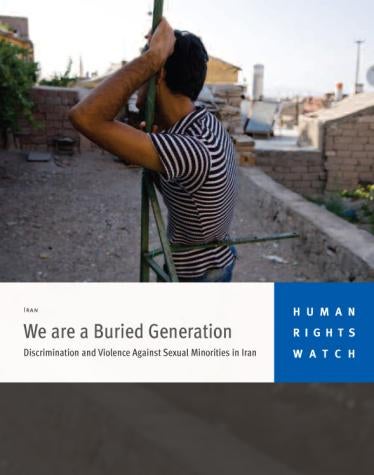
Discrimination and Violence against Sexual Minorities in Iran
Based on testimony from more than 100 Iranians, this report documents discrimination and violence against LGBT people and others whose sexual practices and gender expression do not conform to government-endorsed socio-religious norms.
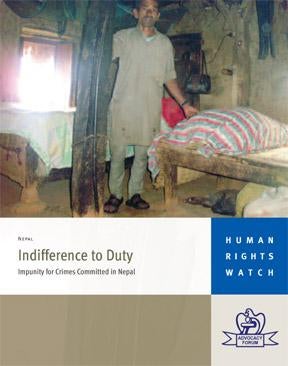
This 41-page report renews calls for the government to investigate and prosecute those responsible for crimes committed during the conflict, and documents three emblematic cases since the conflict ended to show how the same neglect of justice applies to new crimes.
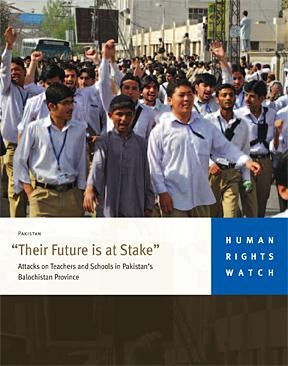
Attacks on Teachers and Schools in Pakistan’s Balochistan Province
This 40-page report documents the killing of at least 22 teachers and other education personnel by suspected militants between January 2008 and October 2010. The report – based on interviews with teachers, students, victims’ families and friends, and government officials in Balochistan – describes these attacks and their consequences for the quality of education in the province.
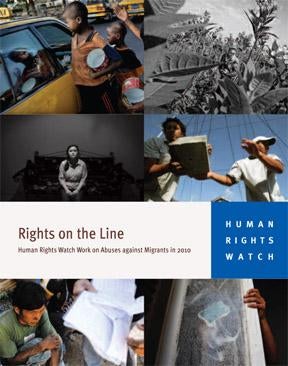
Human Rights Watch Work on Abuses against Migrants in 2010
This roundup of Human Rights Watch reporting on violations of migrants’ rights in 2010 includes coverage of Africa, Asia, Europe, the Middle East, and the United States.
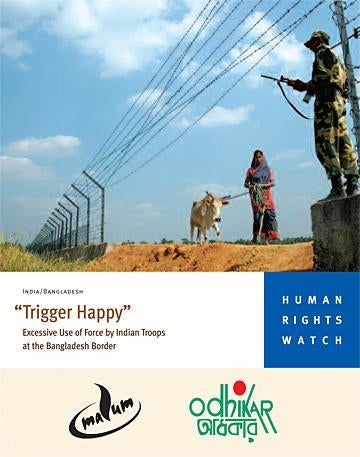
Excessive Use of Force by Indian Troops at the Bangladesh Border
This 81-page report documents the situation on the border region, where both Bangladesh and India have deployed border guards to prevent infiltration, trafficking, and smuggling. Human Rights Watch found numerous cases of indiscriminate use of force, arbitrary detention, torture, and killings by the security force, without adequate investigation or punishment.
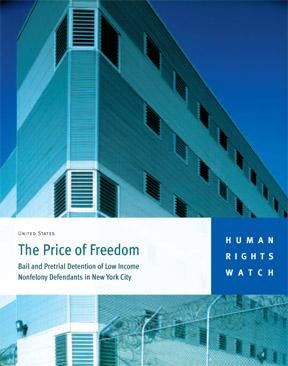
Bail and Pretrial Detention of Low Income Nonfelony Defendants in New York City
Drawing on previously unpublished data and scores of interviews with judges, defendants, prosecutors, and defense counsel, this report reveals the extent of the problem. Among defendants arrested in 2008 on nonfelony charges who had bail set at $1,000 or less, 87 percent were incarcerated because they were unable to post the bail amount at their arraignment.
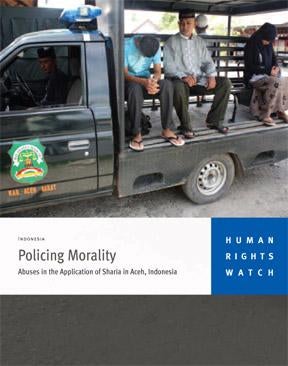
Abuses in the Application of Sharia in Aceh, Indonesia
This 89-page report documents the experiences of people accused of violating Sharia laws prohibiting "seclusion" and imposing public dress requirements on Muslims. The "seclusion" law makes association by unmarried individuals of the opposite sex a criminal offense in some circumstances.
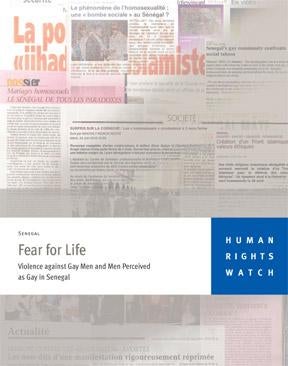
Violence against Gay Men and Men Perceived as Gay in Senegal
This 95-page report includes interviews with dozens of people who have faced threats and violence at the hands of both the police and others in the community. It looks in detail at two key incidents: the "gay marriage" scandal of February 2008; and the arrest of the "nine homosexuals of Mbao" in December 2008.
State of Permanent Emergency Incompatible with Free and Fair Vote
This 24-page report documents the vague and subjective criteria in Egypt’s Political Parties Law that allow the government and ruling party to impede formation of new political parties.
This 69-page report documents abuses including torture, arbitrary arrests, banning of opposition activities, and harassment of civil society groups. Human Rights Watch called on the government to end the abuses and to strengthen institutional mechanisms to promote accountability by government officials and security forces.
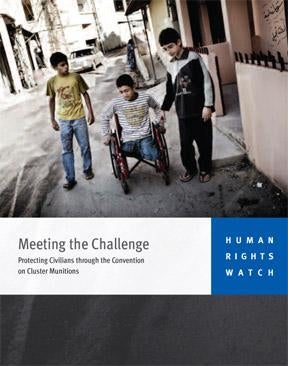
Protecting Civilians through the Convention on Cluster Munitions
This book is the culmination of a decade of research by Human Rights Watch. It details the humanitarian toll of cluster munitions, analyzes the international process that resulted in the treaty successfully banning them, and presents the steps that nations that have signed the convention should take to fulfill its promise.
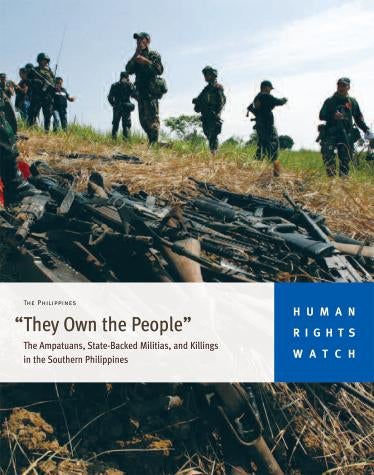
The Ampatuans, State-Backed Militias, and Killings in the Southern Philippines
This 96-page report charts the Ampatuans’ rise to power, including their use of violence to expand their control and eliminate threats to the family’s rule. It is based on more than 80 interviews, including with people having insider knowledge of the Ampatuan family security structure, victims of abuses and their family members, and witnesses to crimes.
Rights Abuses in Cameroon based on Sexual Orientation and Gender Identity
This 62-page report details how the government uses article 347 bis of the Penal Code to deny basic rights to people perceived to be gay, lesbian, bisexual, or transgender (LGBT). The report describes arrests, beatings by the police, abuses in prison, and a homophobic atmosphere that encourages shunning and abuse in the community.
The Arbitrary Use of Terrorism Laws to Prosecute and Incarcerate Demonstrators in Turkey
This report is based on a review of 50 cases. It describes 26 cases of individuals prosecuted for terrorism simply for taking part in protests deemed by the government to be sympathetic to the outlawed armed Kurdistan Workers’ Party (PKK). Hundreds of Kurdish demonstrators are currently in prison pending the outcome of their trials or appeals against convictions.