US Civil Rights Enforcement Under the Trump Administration
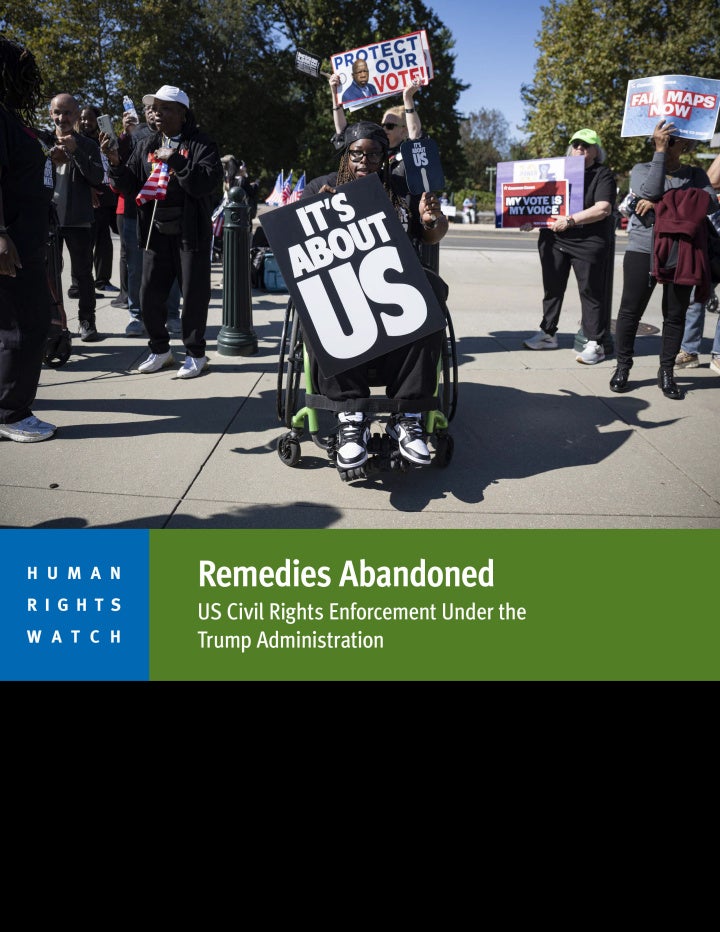
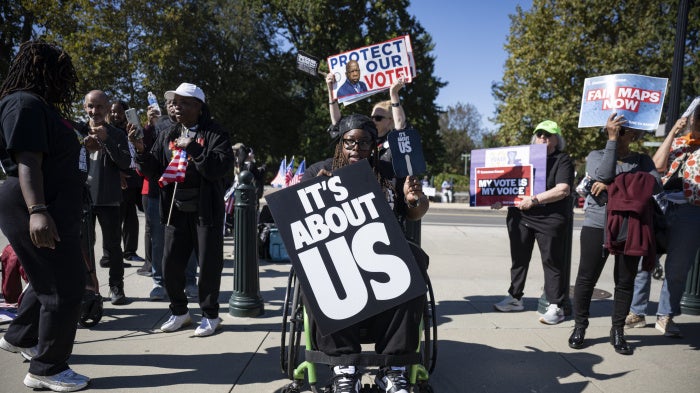
The 112-page report, “Remedies Abandoned: US Civil Rights Enforcement Under the Trump Administration,” documents the administration’s efforts to unravel the work of four key agencies between January 2025 and the spring of 2026: the Justice Department’s Civil Rights Division, which lost about 75 percent of its attorneys; the Education Department’s Office of Civil Rights, which moved to lay off nearly half its staff in one day and closed 7 of its 12 regional offices; the Housing and Urban Development Department’s Fair Housing Office, which shrank dramatically; and the Equal Employment Opportunity Commission, which reached its lowest staffing levels in over 40 years.
Turkey has made significant progress in reducing torture and other ill-treatment by the security services through successive legislative reforms since 1997. There are continuing problems implementing these laws, however, as the Turkish government itself concedes.
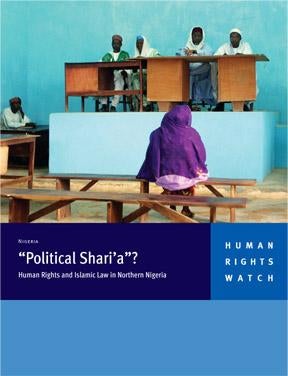
This 111-page report documents human rights violations since Shari’a was introduced to cover criminal law in 12 northern states. Since 2000, at least 10 people have been sentenced to death and dozens sentenced to amputation and floggings. The majority have been tried without legal representation. Many sentenced to amputation were convicted on confessions extracted under torture by the police.
How Nongovernmental Organizations Can Contribute To the Prosecution of War Criminals
This guide answers some of the frequently asked questions about the Court. In particular it explains how NGOs can contribute to the Court’s work of prosecuting war crimes, crimes against humanity, and genocide at the international level. It does so by answering frequently asked questions about the International Criminal Court and the way NGOs can contribute to its efforts.
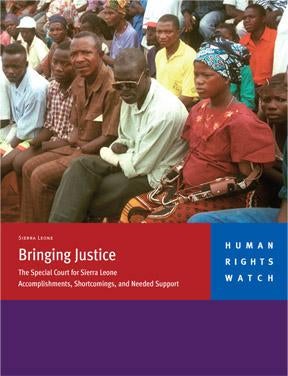
This 56-page report evaluates developments at the court, identifying achievements and making recommendations where operations should be improved. The report also urges the international community to provide more financial and political support for the court so it can complete its work effectively.
Serbian President Slobodan Milosevic’s defense is scheduled to begin at the International Criminal Tribunal for the former Yugoslavia (ICTY) on August 31. This series of questions and answers provides background information, explains key concepts, evaluates the progression of the trial thus far, and describes what is yet to come.
The interrogation techniques used by U.S. personnel on detainees at the naval base at Guantanamo Bay, Cuba remain shrouded in mystery. While U.S. policy is that the detainees be treated “humanely,” the Department of Defense has never revealed publicly how the detainees have been interrogated.
Brief outlines of the military commissions, the combatant status review panels, and the administrative review procedures adopted by the U.S. Department of Defense (DOD) for use at Guantanamo Bay, Cuba.
This 11-page briefing paper documents how the Zimbabwean government threatens its citizens’ access to sufficient food by concealing the basis for its 2004 crop-yield estimate, the size of its strategic grain reserve and the details of the government’s Grain Marketing Board’s operations in food distribution and assistance.
This 35-page report documents how the Sudanese armed forces and the government-backed Janjaweed militias continue to target civilians and their livestock in villages in rural areas and in the towns and camps under government control. The report also analyzes Sudanese government pledges to rein in the militias, end impunity and restore security in Darfur.
The U.N. Security Council's Approach to Human Rights Violations in the Global Anti-Terrorism Effort
This 17-page briefing paper documents how countries as diverse as Egypt, Uzbekistan, Malaysia, Morocco and Sweden—have violated human rights in their efforts to combat terrorism. These are the very kinds of violations that the U.N. Counter-Terrorism Committee should pay closer attention to.
This 82-page report documents the increasing frustration of thousands of displaced Kurds, as well as Turkomans and Assyrians, who are living in desperate conditions as they await a resolution of their property claims. Human Rights Watch details how the U.S.-led Coalition Provisional Authority failed to act even as the situation grew more volatile.