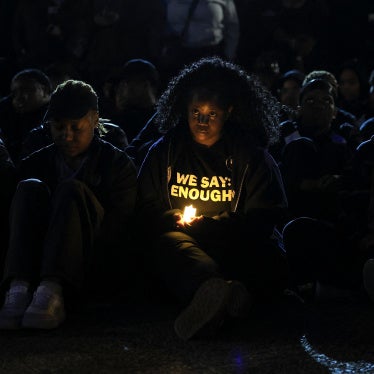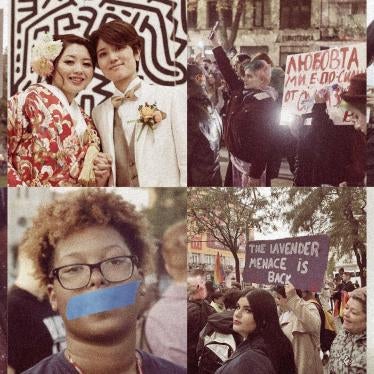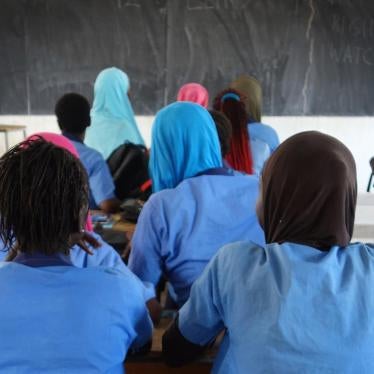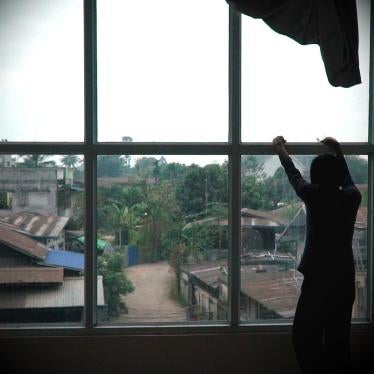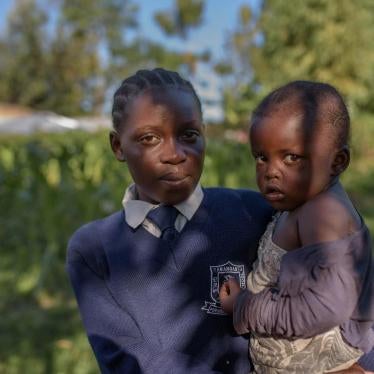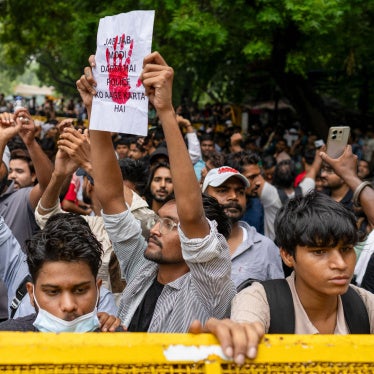
Every year during the 16 Days of Activism against Gender-Based Violence women’s rights defenders come together to remember women facing violence—including those we have lost—and to renew the struggle for gender equality.
This year we face growing gender inequality, as the rights of women and girls are rolled back and threatened by authoritarianism and conflict in many countries. Across all regions, governments and powerful anti-rights movements seek to dismantle hard-won rights for women and girls. Technology is adding new dimensions to abuse, from online harassment and surveillance to digitally enabled threats, violence, and sexualized deepfake images; women politicians are often targeted.
In the United States and Russia, authorities are dismantling reproductive rights. In Africa, lawmakers, with support from foreign conservative groups, are promoting a charter aiming to roll back women’s rights across the continent. In Argentina, funding for preventing GBV has been scrapped.
As armed conflict increases across the globe, more women and girls are living in proximity to fighting. During conflict, women and girls face heightened risks of sexual and gender-based violence, displacement, and economic insecurity, often with little access to protection or justice. In Sudan and Democratic Republic of Congo, sexual violence is a common feature of ongoing conflict with survivors facing significant barriers to obtaining protection, services, and justice. In Myanmar, women political prisoners are tortured. Reproductive rights are a casualty of Israel’s closures in the West Bank, its ongoing blockade of the Gaza Strip, and its continued attacks on Palestinian health facilities.
But activists refuse to accept erosion of women’s rights.
In March, the Commission on the Status of Women called for strengthening access to justice for all women and girls. In April, the European Parliament passed a resolution calling for consent to be the determining factor in rape legislation across the EU. In November, Hungary announced it would ratify the Istanbul Convention, strengthening women’s rights protections. Activists from Afghanistan are fighting to have gender apartheid recognized as an international crime.
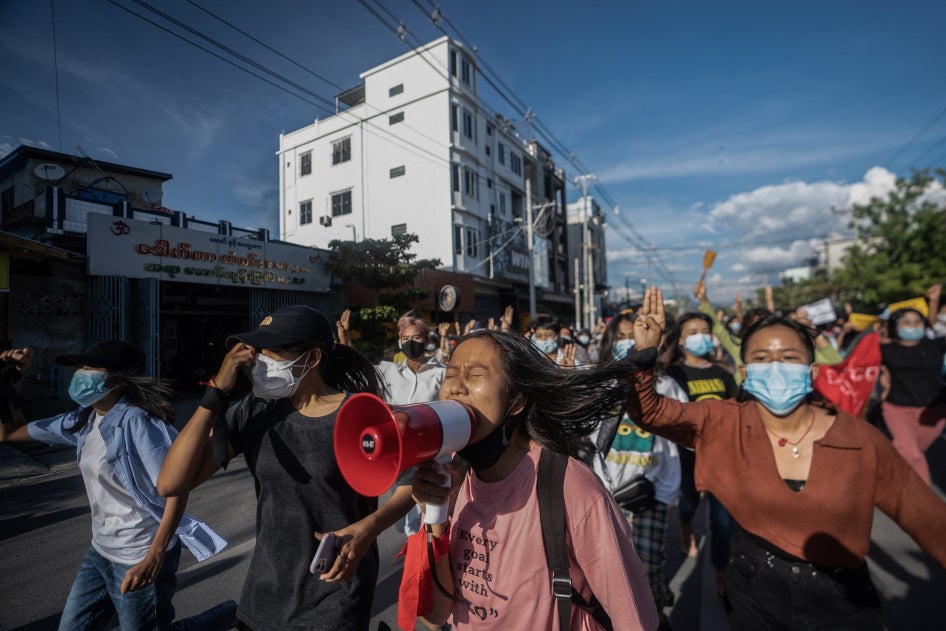
Activists are also pushing back against technology-facilitated abuse, demanding that companies protect, rather than endanger, women and girls. In different countries young women are leading protest movements to challenge corruption and authoritarianism.
Rights defenders will not lose hope.