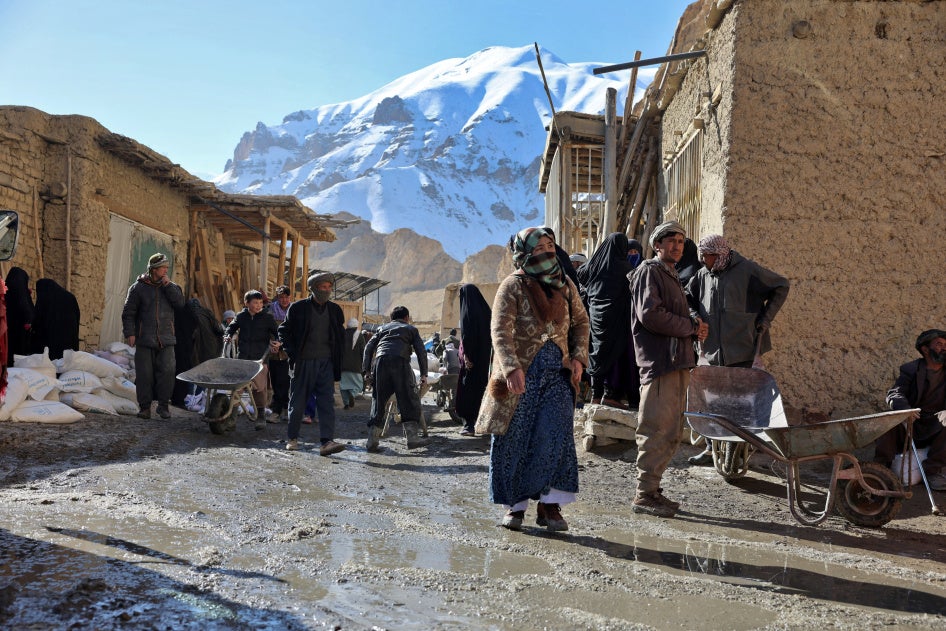
A man in western Afghanistan recently told me that his neighbors knock on his door to ask for food. A man in the capital, Kabul, said, “I can no longer feed my children properly,” and described how the rising cost of food was affecting him and his family.
Such stories are becoming increasingly common in Afghanistan, where millions are being impacted by a looming hunger crisis.
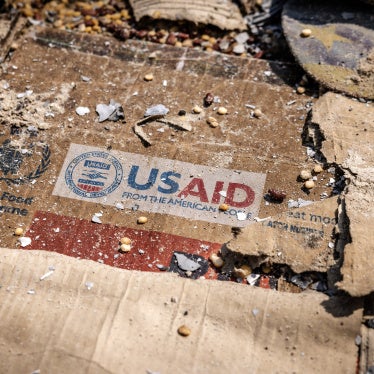
According to the United Nations, over 17 million people in Afghanistan, out of a population of about 44 million, are projected to face acute food insecurity this year, a crisis that disproportionately impacts women and children. And yet, as of June, the UN’s Humanitarian Response Plan had received less than 20 percent of its required budget. Sharp reductions in foreign aid from the United States, which formerly funded up to 40 percent of Afghanistan’s humanitarian aid, as well as those from the United Kingdom and other donors, have meant that an already bad situation has gotten much worse. As a result, humanitarian groups have had to reduce programs, scale back services, and triage aid to those most in need.
Before October 2025, only 28 percent of Afghan households were getting sufficient food without assistance; by April 2026 the figure had fallen to 20 percent. About 22 million people require urgent aid for food and health care. Many of the five million Afghans forcibly returned by Iran and Pakistan over the past two years went to areas already struggling with drought and limited work opportunities, placing further strain on overstretched communities.
Exacerbating the crisis, the Taliban’s repressive policies impose severe restrictions on women working in international aid organizations and the UN. By limiting women’s access to employment in the humanitarian field, these policies have made it harder for aid agencies to reach people. Since only women are allowed to deliver aid to women, households that are headed by women are being especially hard hit by hunger.
Aid agencies have warned that without urgent additional funding, millions of Afghans will lose access to lifesaving support. Donor governments should act urgently to fund humanitarian operations in Afghanistan and ensure that returns are voluntary, safe, dignified, and accompanied by sustained support for returnees’ reintegration. Taliban authorities should immediately reverse all bans on women’s rights, including restrictions on movement and employment, which hinder their access to aid and economic security, including food.