Discrimination and Violations of the Right to Work for Persons with Albinism in Malawi
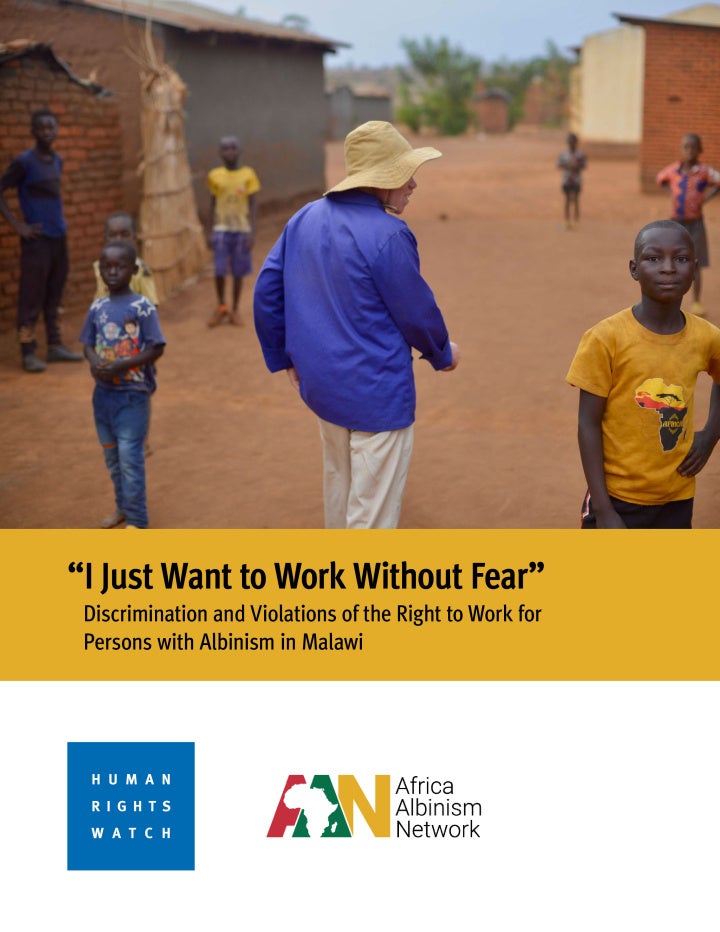
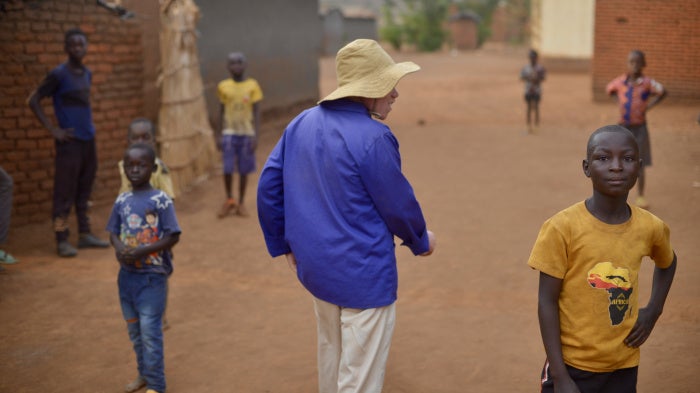
The 65-page report, “‘I Just Want to Work Without Fear’: Discrimination and Violations of the Right to Work for Persons with Albinism in Malawi,” documents how stigma, discrimination, fear of violence, and lack of reasonable accommodation undermine the rights of people with albinism to work, education, health and social security.
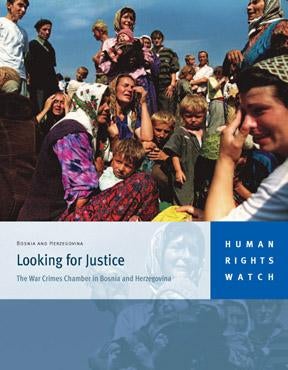
This 42-page report describes the increased momentum towards war crimes trials at the end of 2005, and the opportunity created by the transfer of cases from the new War Crimes Chamber in Sarajevo. It also documents the obstacles to sustained progress on fair and effective prosecutions, including limited prosecutorial resources and insufficient assistance by Republika Srpska police.
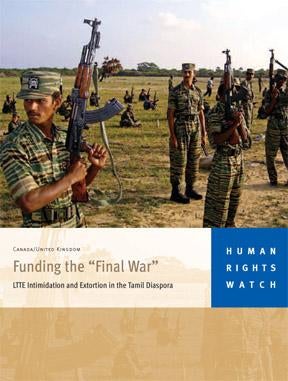
LTTE Intimidation and Extortion in the Tamil Diaspora
This 45-page report details how representatives of the LTTE and pro-LTTE groups use unlawful pressure among Tamil communities in the West to secure financial pledges. People were told that if they did not pay the requested sum, they would not be able to return to Sri Lanka to visit family members.
More than a year after the Sudanese government and southern-based rebels signed the peace agreement that ended their 21-year war, Sudan’s ruling party has failed to undertake promised reforms that would help end human rights abuses throughout the country, Human Rights Watch said in a briefing paper released today.
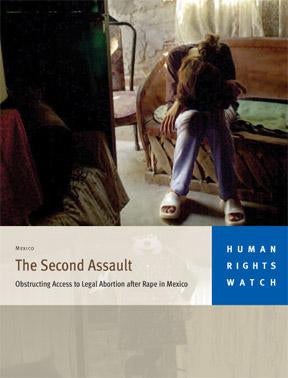
Obstructing Access to Legal Abortion after Rape in Mexico
This 92-page report details the disrespect, suspicion and apathy that pregnant rape victims encounter from public prosecutors and health workers. The report also exposes continuing and pervasive impunity for rape and other forms of sexual violence in states throughout Mexico.
In March 2005, members of the Convention on Conventional Weapons (CCW) Working Group on Explosive Remnants of War (ERW) issued a questionnaire to states parties regarding ERW and International Humanitarian Law (IHL).
Memorandum to Delegates to the Convention on Conventional Weapons
This memorandum contains an updated analysis of the responses provided by states parties to the questionnaire on explosive remnants of war and international humanitarian law issued by members of the Convention on Conventional Weapons (CCW) Working Group on Explosive Remnants of War in 2005 .
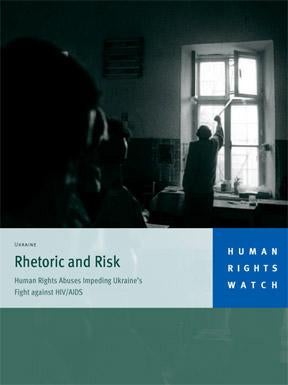
Human Rights Abuses Impeding Ukraine’s Fight Against HIV/AIDS
This report documents how draconian drug laws and routine police abuse of injection drug users – the population hardest hit by HIV/AIDS in Ukraine – keep them from receiving lifesaving HIV information and services that the government has pledged to provide.
Arbitrary Detention of Women and Girls for “Social Rehabilitation”
This 40-page report documents numerous and serious human rights abuses that women and girls suffer in "social rehabilitation" facilities in Libya. These include violations of their rights to liberty, freedom of movement, personal dignity, privacy and due process. Libyan authorities are holding many women and girls in these facilities who have committed no crime, or who have completed a sentence.
This document details recent violations by both the Burundian government and the rebel National Liberation Forces (Forces Nationales de Libération, or FNL), with which the government is still at war. The report calls on both the government and the international community to establish mechanisms to deliver justice for serious past crimes by government and rebel forces.
This report documents an alarming rise in attacks against civilians in Chad by Sudanese government-backed Janjaweed militias and Chadian rebel groups. The Janjaweed and Chadian rebel forces operate from bases in Sudanese government-controlled areas of Darfur. Sudanese government troops and helicopter gunships have at times supported these cross-border attacks in eastern Chad.
On September 30, 2005, the Danish newspaper Jyllands-Posten published twelve cartoon depictions of the Prophet Mohammed that its editors said they solicited as part of an experiment to overcome what they perceived as self-censorship reflected in the reluctance of illustrators to depict the Prophet.
Despite impressive displays of independence from the Electoral Commission and the judiciary, the first multiparty elections in two decades have been marred by intimidation of the opposition, military interference in the courts and bias in campaign funding and media coverage, Human Rights Watch said in a <a href="http://hrw.org/backgrounder/africa/uganda0206/">briefing paper</a> released today.
Since October 19, 2005, Saddam Hussein and seven other former Iraqi officials have been on trial for crimes that took place in the town of al-Dujail in 1982. Government security forces allegedly detained and tortured hundreds of individuals from al-Dujail in retaliation for an assassination attempt on Saddam Hussein as his motorcade passed through the town, sixty kilometers north of Baghdad.
In March 2005, the War Crimes Chamber began operations within Bosnia’s State Court to try cases of serious war crimes in Bosnia and Herzegovina that could not be prosecuted within the mandate or timeframe of the International Criminal Tribunal for the former Yugoslavia (ICTY). The chamber will also handle serious war crimes cases initiated locally.