The Inhumane Effects of White Phosphorus Munitions and the Need for Stronger Law
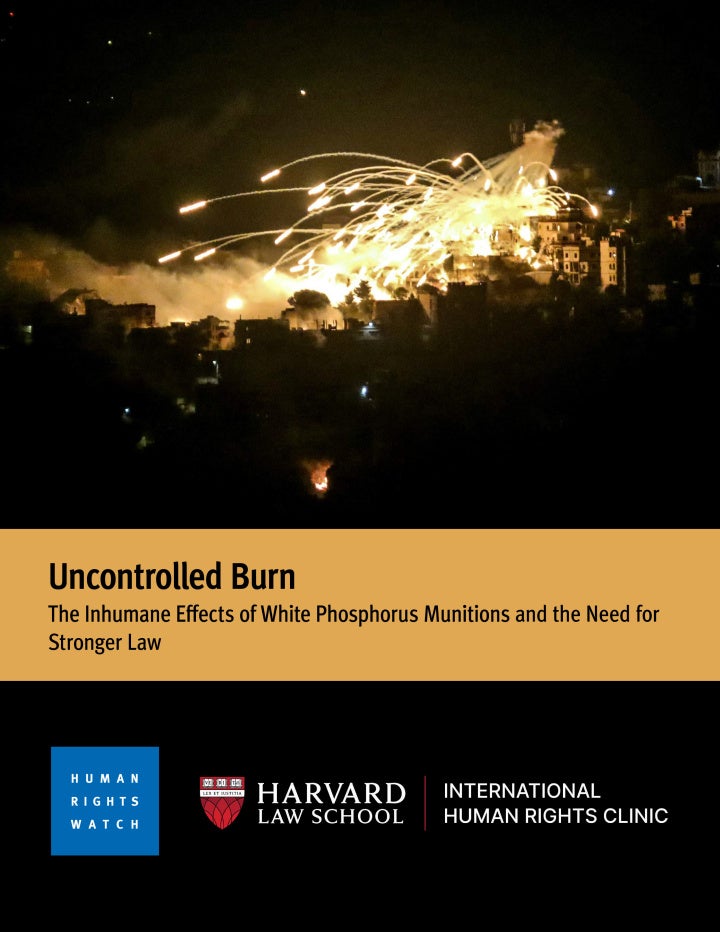
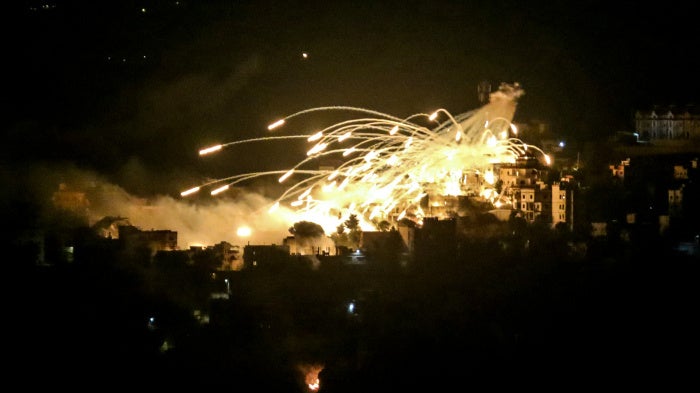
The 45-page report, “Uncontrolled Burn: The Inhumane Effects of White Phosphorus Munitions and the Need for Stronger Law,” documents 23 verified incidents of Israeli use in southern Lebanon between March and May 2026. The report also details the horrific harm the munitions have caused in armed conflicts in recent years. White phosphorus munitions, which produce fire when their payload is exposed to oxygen, are not currently regulated by a specific treaty.
Headscarf Bans for Teachers and Civil Servants in Germany
This 67-page report is based on extensive research over an eight-month period. It analyzes the human rights implications of the bans and their effect on the lives of Muslim women teachers, including those who have been employed for many years. It says that the bans have caused some women to give up their careers or to leave Germany, where they have lived all their lives.
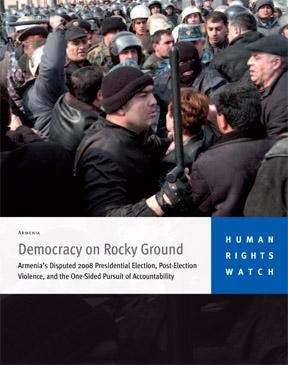
Armenia’s Disputed 2008 Presidential Election, Post-Election Violence, and the One-Sided Pursuit of Accountability
This 64-page report details the clashes between police and protesters in Armenia's capital, Yerevan, on March 1, 2008, in the wake of the disputed February 2008 presidential polls. It also documents the ill-treatment of individuals detained in connection with the violence, and lack of comprehensive investigation and accountability for excessive use of force on March 1 and in its aftermath.
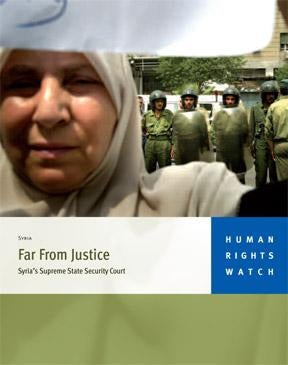
In this 73-page report, Human Rights Watch documents how the SSSC has relied on sham trials to prosecute at least 153 defendants since January 2007 on the basis of vague charges that criminalize freedom of expression. Those prosecuted include 10 bloggers, 16 Kurdish activists, and eight citizens accused of "insulting the Syrian president" in private conversations.
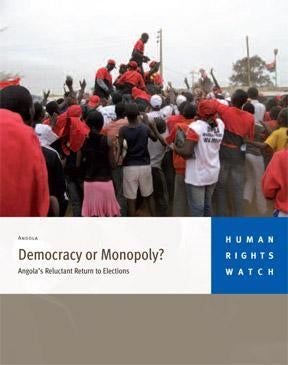
This 45-page report documents how the MPLA-dominated National Electoral Commission (CNE) failed to perform as an independent oversight body in those elections. The commission took no action against violations, including the ruling party's abuse of state media and resources, and obstructed the accreditation of national observers.
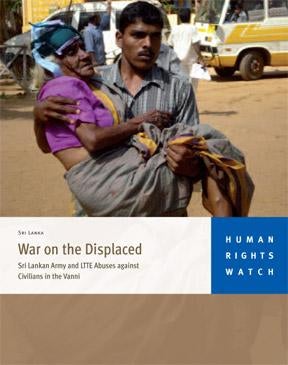
Sri Lankan Army and LTTE Abuses against Civilians in the Vanni
This 45-page report is based on a two-week fact-finding mission to northern Sri Lanka in February. The government has prohibited journalists and human rights monitors from going to the battle zone in the Vanni, making access to information difficult.
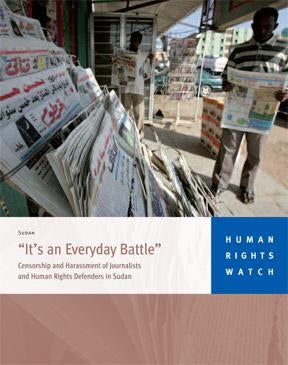
Censorship and Harassment of Journalists and Human Rights Defenders in Sudan
This 21-page report documents the government's efforts to repress those who seek to report on issues it considers sensitive, including human rights, the conflict in Darfur, and the ICC's investigation.
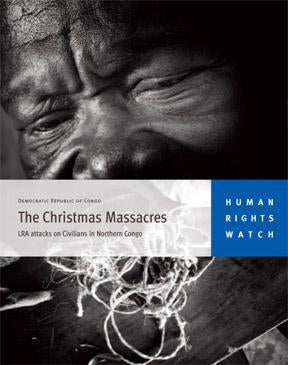
This 67-page report details the brutal slaughter of more than 865 civilians and the abduction of at least 160 children between December 24, 2008, and January 17 in the Haute Uele district of Congo.
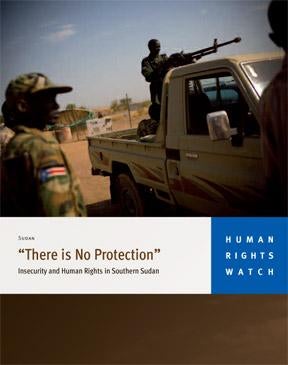
This 44-page report documents the most pressing human rights challenges facing the SPLM-led Government of Southern Sudan. The problems include an inability to protect civilians effectively from armed attacks and violence, a failure to address abuses by security forces, and a weak justice system.
Abuse and Exploitation of Child Domestic Workers in Indonesia
This report documents how hundreds of thousands of girls in Indonesia, some as young as 11, are employed as domestic workers in other people’s households, performing tasks such as cooking, cleaning, laundry, and child care. Most girls interviewed for the report worked 14 to 18 hours a day, seven days a week, with no day off. Almost all are grossly underpaid, and some get no salary at all.
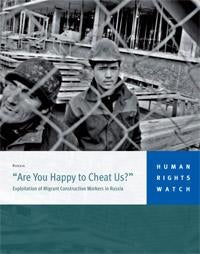
Exploitation of Migrant Construction Workers in Russia
This 130-page report documents widespread withholding of wages, failure to provide required contracts, and unsafe working conditions by employers at construction sites across Russia.
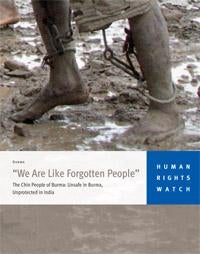
The Chin People of Burma: Unsafe in Burma, Unprotected in India
In this 93-page report, Human Rights Watch documents a wide range of human rights abuses carried out by the Burmese army and government officials. The abuses include forced labor, arbitrary arrests and detention, torture, religious repression and other restrictions on fundamental freedoms.
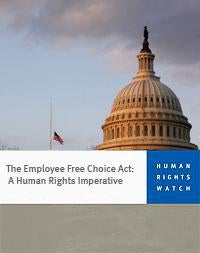
The briefing paper details some of the glaring deficiencies in current US labor law that significantly impair the right of workers to freely choose whether to form a union. It recommends that the US Congress pass the Employee Free Choice Act to help remedy these shortcomings and bring US law closer to international standards.
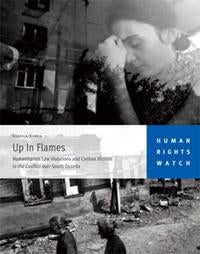
Humanitarian Law Violations and Civilian Victims in the Conflict over South Ossetia
This 200-page report details indiscriminate and disproportionate attacks by both Georgian and Russian forces, and the South Ossetian forces' campaign of deliberate and systematic destruction of certain ethnic Georgian villages in South Ossetia. It also describes Russia's failure to ensure public order and safety in areas of Georgia that were under its effective control.
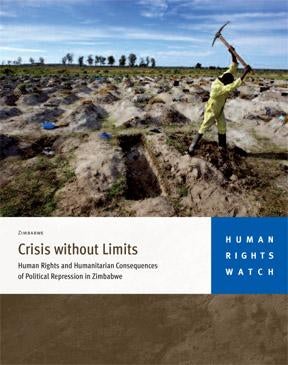
Human Rights and Humanitarian Consequences of Political Repression in Zimbabwe
This 33-page report details the Zimbabwean government's responsibility for the country's humanitarian crisis. A cholera epidemic has left over 2,000 Zimbabweans dead and another 39,000 ill. Over 5 million Zimbabweans face severe food shortages and are dependent on international aid.