US Civil Rights Enforcement Under the Trump Administration
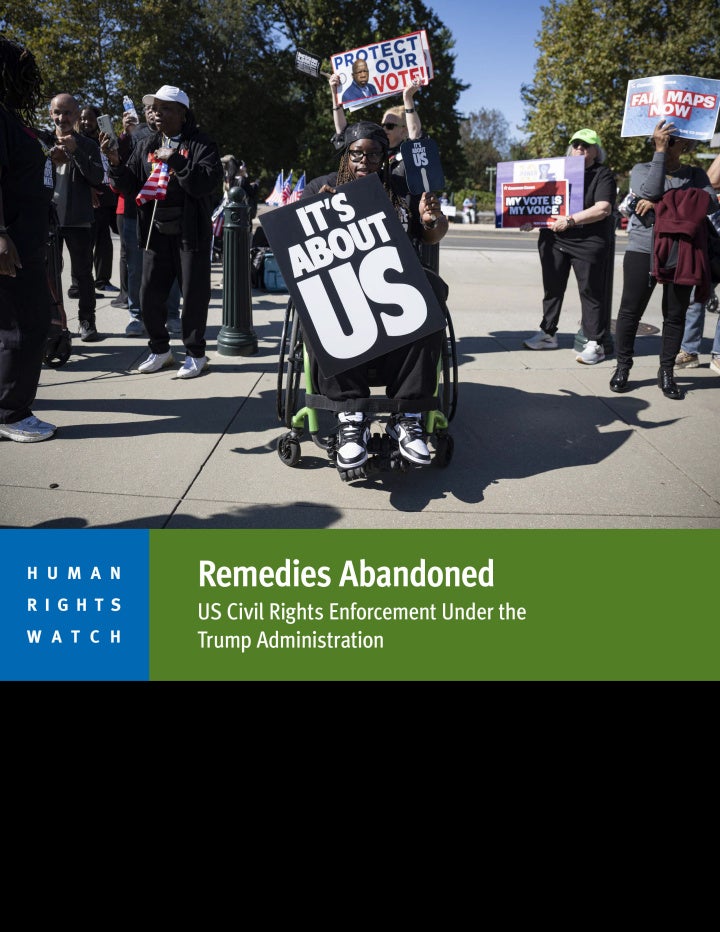
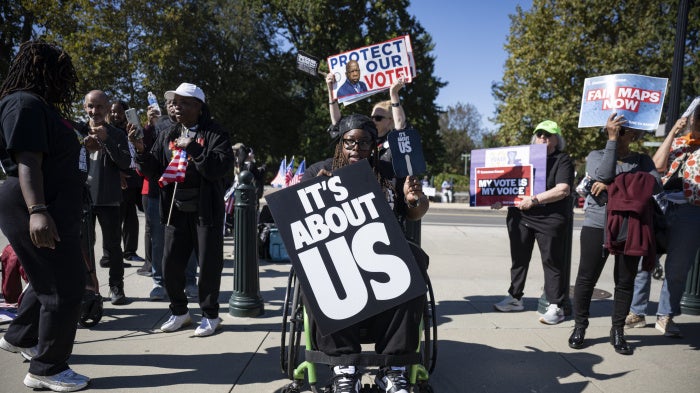
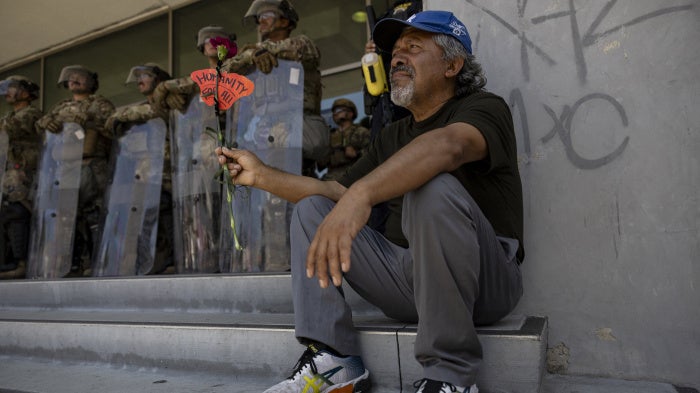
The 112-page report, “Remedies Abandoned: US Civil Rights Enforcement Under the Trump Administration,” documents the administration’s efforts to unravel the work of four key agencies between January 2025 and the spring of 2026: the Justice Department’s Civil Rights Division, which lost about 75 percent of its attorneys; the Education Department’s Office of Civil Rights, which moved to lay off nearly half its staff in one day and closed 7 of its 12 regional offices; the Housing and Urban Development Department’s Fair Housing Office, which shrank dramatically; and the Equal Employment Opportunity Commission, which reached its lowest staffing levels in over 40 years.
In armed conflicts around the world, cluster munitions are the category of weapons most in need of stronger national and international law to protect civilians from harm.
Indonesia’s military has a longstanding practice of raising independent income outside the approved budget process. It earns funds from businesses it owns, services it provides for hire, and the protection rackets it operates.
Caste Discrimination against India’s "Untouchables"
This 113-page report was produced as a “shadow report” in response to India’s submission to the United Nations Committee on the Elimination of Racial Discrimination (CERD), which monitors implementation of the International Convention on the Elimination of All Forms of Racial Discrimination (ICERD).
This 61-page report evaluates the chamber’s work in conducting trials. Although a relatively new institution, the chamber has made substantial headway in trying cases, including the trial of 11 defendants charged with genocide for their role in the Srebrenica massacre.
This 72-page report describes how the Maoists in Nepal have continued using child soldiers, and even recruited more children, despite signing a Comprehensive Peace Agreement with the Nepali government on November 21. The peace agreement commits both sides to stop recruiting child soldiers.
The Human Rights Impact of Local Government Corruption and Mismanagement in Rivers State, Nigeria
This 107-page report details the misuse of public funds by local officials in the geographic heart of Nigeria’s booming oil industry, and the harmful effects on primary education and basic health care. The report is based on scores of interviews in Rivers state with government and donor agency officials, civil servants, health care workers, teachers, civil society groups and local residents.
In this paper, Human Rights Watch noted that Senegal had not even passed the legislation needed to try Habré. Human Rights Watch called on the African Union to name a special envoy to help Senegal prepare Habré’s trial.
This document sets out developments in the use of diplomatic assurances in select individual cases since the publication of our April 2005 report “Still at Risk: Diplomatic Assurances No Safeguard Against Torture.
State Collusion in Abductions and Child Recruitment by the Karuna Group
In this 100-page report, Human Rights Watch documents a pattern of abductions and forced recruitment by the Karuna group in Sri Lanka over the past year. With case studies, maps and photographs, it shows how Karuna cadres operate with impunity in government-controlled areas, abducting boys and young men, training them in camps, and deploying them for combat.
This 20-page report documents two incidents in late November 2006 in which 13 persons were killed. On November 19, genocide survivor Frederic Murasira was killed in the commercial center of Mugatwa in eastern Rwanda. Within hours, residents of a nearby village inhabited by genocide survivors killed eight Mugatwa residents who apparently had played no part in the murder.
While some governments have already started making meaningful reforms to help domestic workers work in greater safety and dignity, others are pursuing superficial changes that fail to address the root causes of exploitation and abuse. Governments around the world have choices to make about the route they will take; this essay identifies some of the positive options available.
Human Rights Watch’s 556-page World Report 2007 contains survey information on human rights developments during 2006 in more than 75 countries. In addition to the introductory essay on the European Union, the volume contains essays on freedom of expression since 9/11, the plight of migrant domestic workers, and a human rights agenda for UN Secretary-General Ban Ki-Moon.
Militia Attacks and Ethnic Targeting of Civilians in Eastern Chad
This 70-page report documents a drastic deterioration in the human rights situation in eastern Chad, where more than 300 civilians were killed and at least 17,000 people displaced in militia violence in November 2006 alone. In most instances, civilians were targeted on the basis of ethnic identity.
This 17-page briefing paper outlines the sweeping powers that Egypt's Political Parties Law grants to the Political Parties Committee, a body dominated by the president and the ruling party, to license and suspend political parties. The law gives President Mubarak and the ruling party broad authority to choose who may compete against them and under what terms.
The Impact of Turkey’s Compensation Law with Respect to Internally Displaced People
In this 40-page briefing paper, Human Rights Watch analyzes how the Turkish government is failing to provide fair compensation for hundreds of thousands of mainly Kurdish villagers displaced by the military’s brutal counterinsurgency campaigns in the southeast.