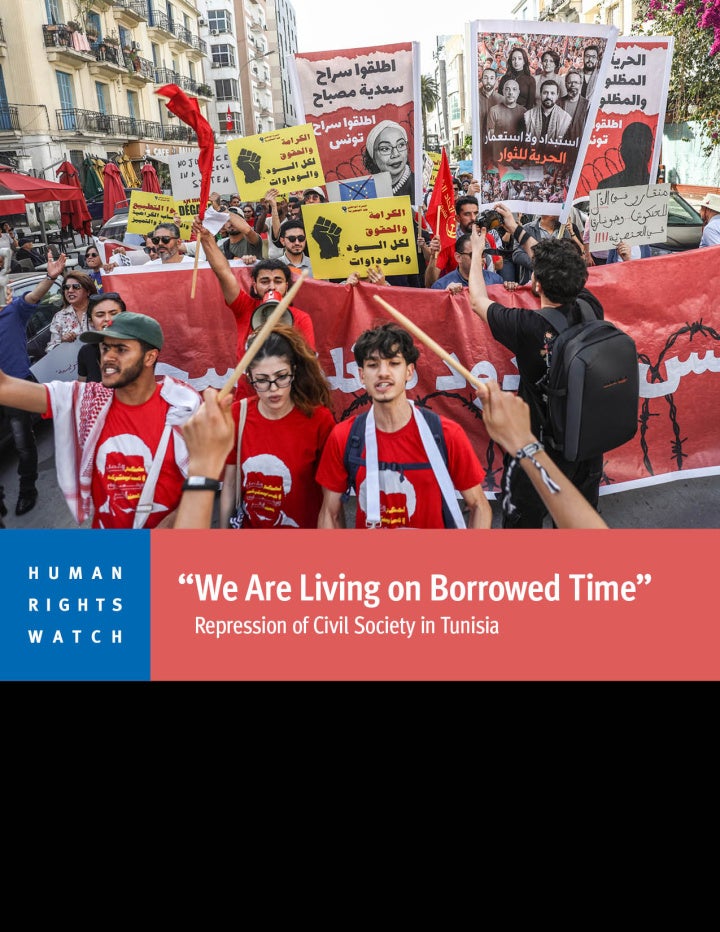
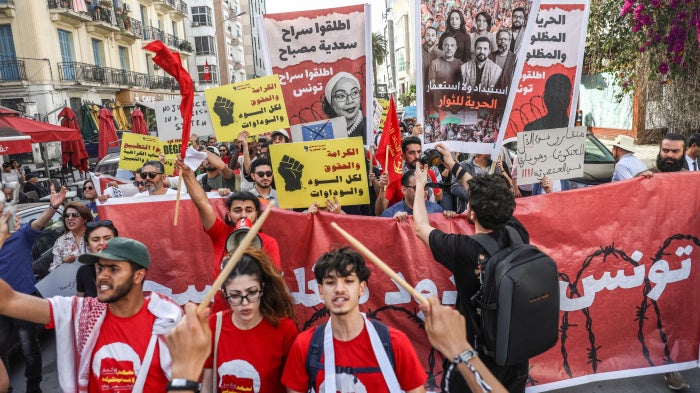
The 49-page report, “‘We Are Living on Borrowed Time’: Repression of Civil Society in Tunisia” documents the Tunisian authorities’ escalating repression of local and international civil society groups, workers, members, and affiliates through the weaponization of abusive prosecutions, arbitrary arrests, detention, financial and criminal investigations, mass suspensions, and threats of dissolution.
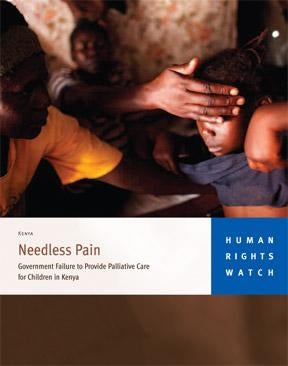
Government Failure to Provide Palliative Care for Children in Kenya
This 78-page report found that most Kenyan children with diseases such as cancer or HIV/AIDS are unable to get palliative care or pain medicines. Kenya’s few palliative care services provide counseling and support to families of chronically ill patients, as well as pain treatment, but lack programs for children.
India’s Need for Sound Standards for Conducting and Interpreting Forensic Examinations of Rape Survivors
This 54-page report documents the continued use of the archaic practice and the continued reliance on the "results" by many defense counsel and courts.
Violations of Workers’ Freedom of Association in the United States by European Multinational Corporations
This 130-page report details ways in which some European multinational firms have carried out aggressive campaigns to keep workers in the United States from organizing and bargaining, violating international standards and, often, US labor laws.
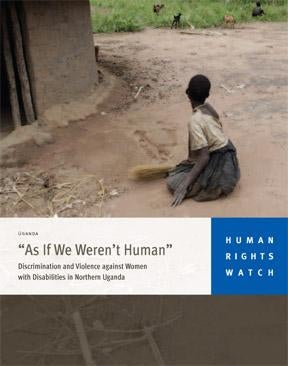
Discrimination and Violence against Women with Disabilities in Northern Uganda
This 73-page report describes frequent abuse and discrimination by strangers, neighbors, and even family members against women and girls with disabilities in the north. Women interviewed for the report said they were not able to get basic provisions such as food, clothing, and shelter in camps for displaced persons or in their own communities.
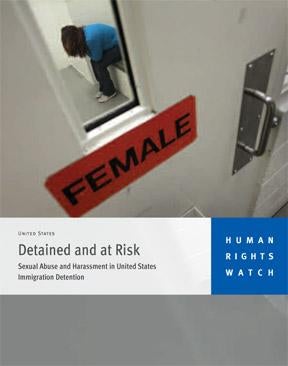
Sexual Abuse and Harassment in United States Immigration Detention
This 24-page report describes documented incidents and allegations of abuse. It also discusses recent proposals by Immigration and Customs Enforcement (ICE) to address the issue. Human Rights Watch emphasized that the agency should make improvements swiftly to improve oversight of the entire detention system and the ensure accountability.
Oil Contracts and Stalled Reform in São Tomé e Príncipe
This 23-page report documents how São Tomé’s government remains ill-equipped to manage the revenues from any hydrocarbon endowment, despite domestic and international efforts to improve financial transparency and accountability in anticipation of major oil discoveries.
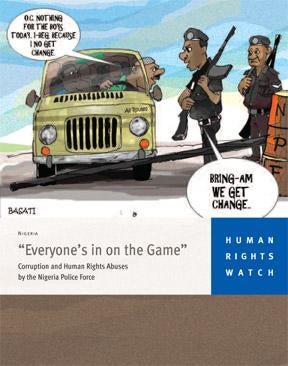
Corruption and Human Rights Abuses by the Nigeria Police Force
This 102-page report documents the myriad forms of police corruption in Nigeria. It also shows how institutionalized extortion, a profound lack of political will to reform the force, and impunity combine to make police corruption a deeply embedded problem.
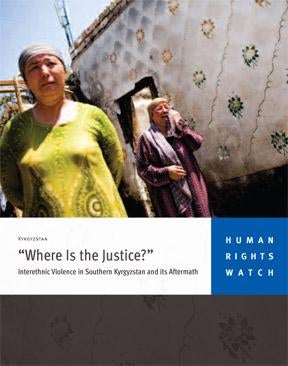
Interethnic Violence in Southern Kyrgyzstan and its Aftermath
This 91-page report states that some government forces acted, knowingly or unwittingly, to facilitate attacks on ethnic Uzbek neighborhoods in the violence in southern Kyrgyzstan in June 2010. Local law enforcement agencies also failed to provide appropriate protection to the Uzbek community.
Lack of Accountability for Reproductive Rights in Argentina
This 52-page report documents the many obstacles women and girls face in getting the reproductive health care services to which they are entitled, such as contraception, voluntary sterilization procedures, and abortion after rape.
This 20-page report is an analysis of the amendments to the Unlawful Activities Prevention Act (UAPA), enacted after the November 26, 2008 attacks on Mumbai that killed 166 people and injured over 300.
Mental Disability, Unfair Hearings, and Indefinite Detention in the US Immigration System
This 98-page report says that immigrants with mental disabilities are often unjustifiably detained for years on end, sometimes with no legal limits. The report documents case after case in which people with mental disabilities were prevented from making claims against deportation – including claims of US citizenship – because they were unable to represent themselves.
Abuses by Chinese Security Forces in Tibet, 2008-2010
This 73-page report is based on more than 200 interviews with Tibetan refugees and visitors conducted immediately after they left China, as well as fresh, not previously reported, official Chinese sources.
Arbitrary Detention and Other Abuses against Sex Workers in Cambodia
This 76-page report is based on more than 90 interviews and group discussions with female and transgender sex workers in Phnom Penh, Battambang, Banteay Meanchey, and Siem Reap. It describes how sex workers face a wide range of abuses, including beatings, extortion, and rape at the hands of authorities, particularly in Phnom Penh.
Human Rights in Syria during Bashar al-Asad’s First Ten Years in Power
This 35-page report reviews al-Asad's human rights record in five key areas: repression of political and human rights activism; restrictions on freedom of expression; torture; treatment of the Kurds; and Syria's legacy of enforced disappearances. The verdict is bleak.
Barriers to Fistula Prevention and Treatment in Kenya
This 82-page report describes the devastating condition facing women with fistula in Kenya and the wide gap between government's policies to address reproductive health and the reality of women's daily lives.