US Civil Rights Enforcement Under the Trump Administration
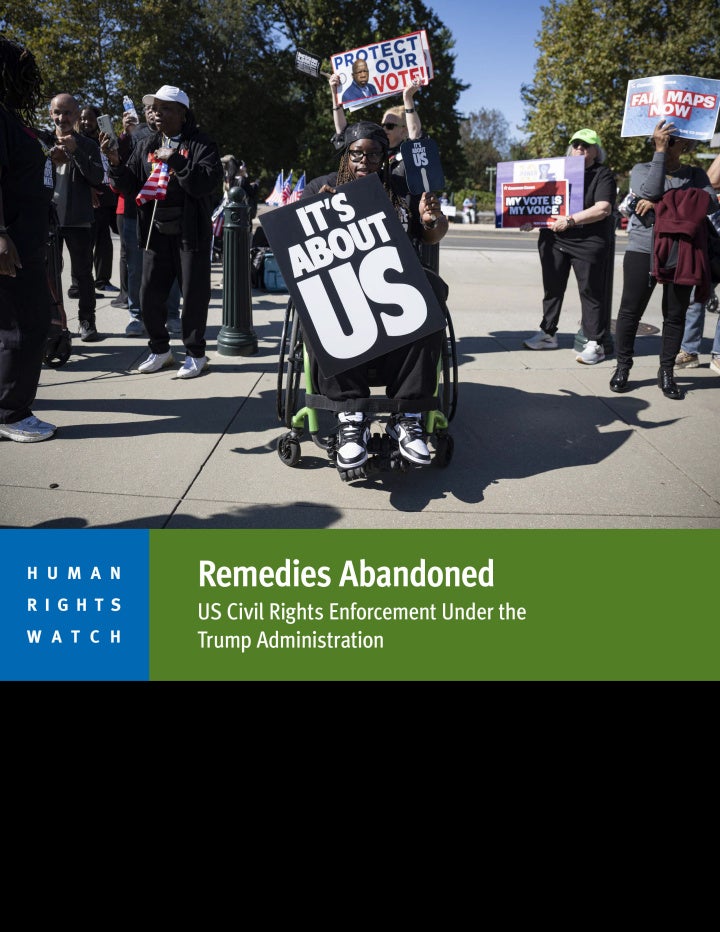
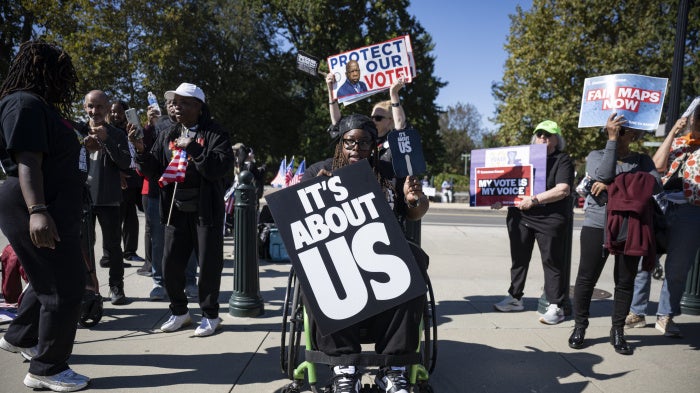
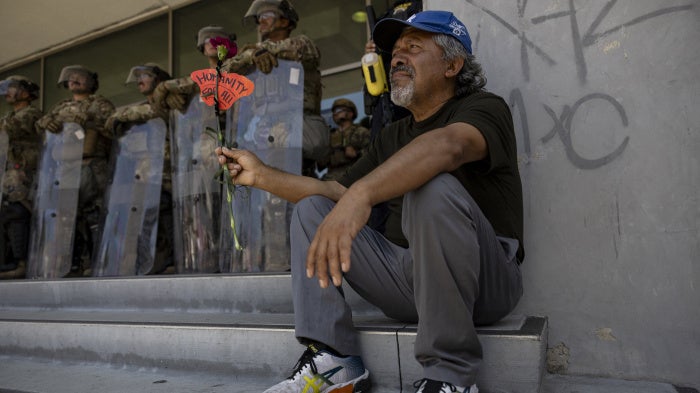
The 112-page report, “Remedies Abandoned: US Civil Rights Enforcement Under the Trump Administration,” documents the administration’s efforts to unravel the work of four key agencies between January 2025 and the spring of 2026: the Justice Department’s Civil Rights Division, which lost about 75 percent of its attorneys; the Education Department’s Office of Civil Rights, which moved to lay off nearly half its staff in one day and closed 7 of its 12 regional offices; the Housing and Urban Development Department’s Fair Housing Office, which shrank dramatically; and the Equal Employment Opportunity Commission, which reached its lowest staffing levels in over 40 years.
A Human Rights Watch Briefing Paper on Sierra Leone
After ten years of brutal civil war, the people of Sierra Leone went to the polls on May 14 and re-elected President Ahmed Tejan Kabbah and his Sierra Leone People’s Party for a further five-year term.
Police Harassment Of HIV/AIDS Outreach Workers In India
Widespread police abuse of front-line AIDS prevention workers in India is undermining efforts to contain one of the worst epidemics in the world, Human Rights Watch said today.Several organizations in India have succeeded in empowering women in prostitution to demand condom use of their clients.
The Arbitrary Application of Spanish Immigration Law
The Human Rights Watch report, "Discretion Without Bounds: The Arbitrary Implementation of Spanish Immigration Law," criticizes the Spanish authorities' uncoordinated and ad hoc application of Spanish Law 8/2000.
Former President Jimmy Carter will travel to Venezuela on July 6, 2002, to mediate talks between the government and the country's political opposition. President Carter has an invaluable opportunity to help overcome the political impasse that has existed since the failed coup of April 12, 2002.
In the next few weeks, the Bulgarian parliament is due to enact important changes to the country's arms trade law. The legislation would amend the Law on the Control of Foreign Trade Activity in Arms and Dual-Use Goods and Technologies, which was adopted in 1995.
The Sri Lankan government and the Liberation Tigers of Tamil Eelam are preparing for negotiations aimed at resolving more than two decades of conflict over political control of the island's Tamil-dominated north and east. Talks are to be held in Thailand, possibly as early as July.
Police Harassment of HIV/AIDS Outreach Workers in India
Women in prostitution in India are treated with disdain and commonly subjected to violations of their fundamental rights by the police, both at the time of their arrest and while in detention. Peer educators providing HIV/AIDS outreach to these women frequently suffer many of the same abuses.
Women's rights activists throughout the world - of every political stripe, faith, sexual orientation, nationality, and ethnicity - mobilized at each step of the International Criminal Court (ICC) process. They have worked to create an independent court to afford women greater protection from violations of human rights and humanitarian law.
Eight months after the collapse of the Taliban, northern Afghanistan remains on a dangerous precipice. Factional rivalries periodically erupt into open hostilities, jeopardizing civilian security, aid delivery, and the resettlement of displaced communities.
In investigations in Egypt, Ecuador, India, and the United States, Human Rights Watch has found that the children working in agriculture are endangered and exploited on a daily basis. Human Rights Watch found that despite the vast differences among these four countries, many of the risks and abuses faced by child agricultural workers were strikingly similar.
As Afghan and United Nations officials prepare for the forthcoming loya jirga (grand national assembly), as called for in the 2001 Bonn Agreement to choose Afghanistan's next government, ordinary Afghans are increasingly terrorized by the rule of local and regional military commanders - warlords - who are reasserting their control over large areas of Afghanistan.