Cuban and Other Third-Country Nationals Deported from the US to Mexico
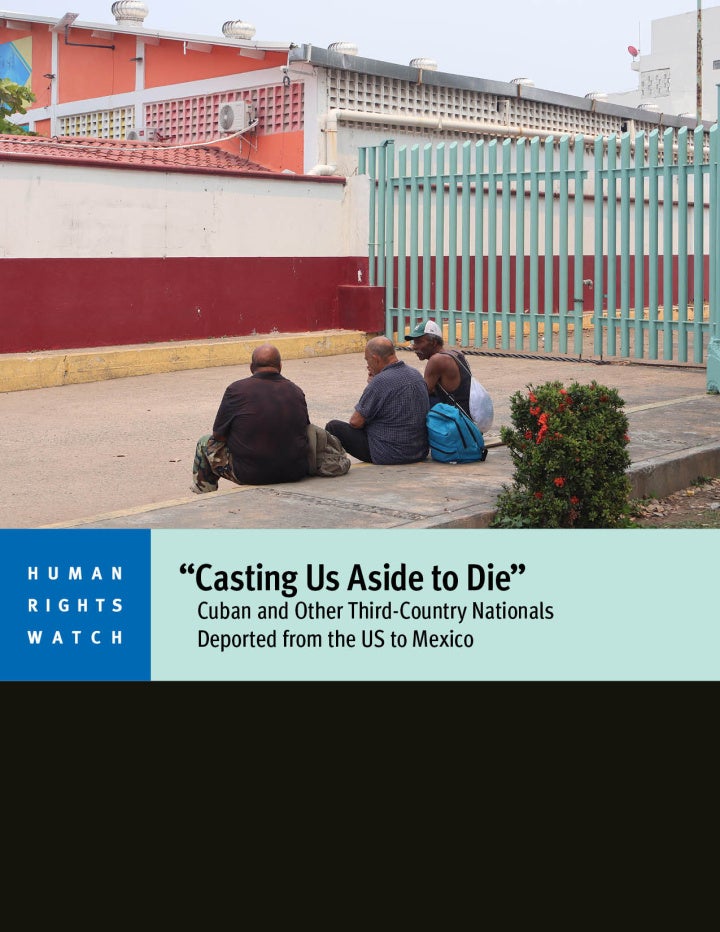
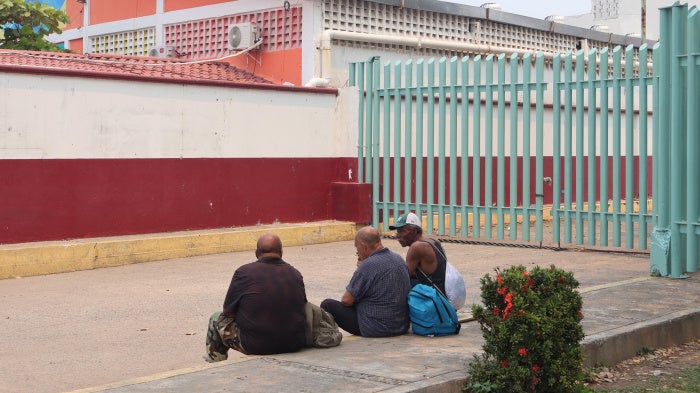
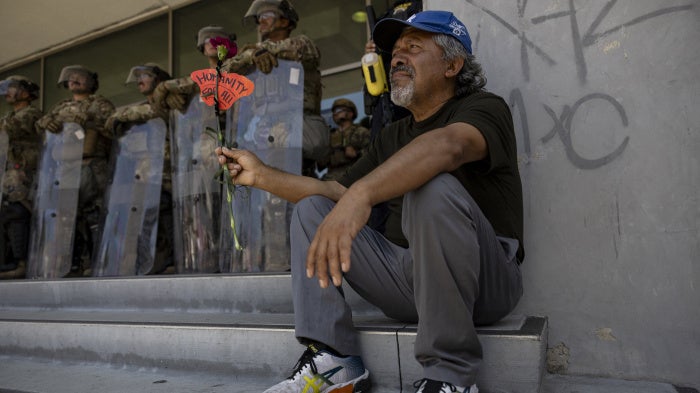
The 66-page report, “‘Casting Us Aside to Die:’ Cuban and Other Third-Country Nationals Deported from the US to Mexico,” documents US government abuses against Cubans and other third-country nationals deported to Mexico between January 2025 and March 2026. With no other recourse to obtain permanent residency in Mexico, many Cuban deportees, whose home government refuses to take them back, are trapped in a legal limbo. Since arriving in Mexico, they have received little if any government support, and many are without access to shelter, food, or health care.
In 1995 alone, there were at least 181 reported attacks against Roma or foreigners in the Czech Republic and many other assaults go unreported. One murder in particular, that of Tibor Berki in May 1995, incited a public debate about racism and prompted the government to take more forceful measures.
When Atlanta set out to host the 1996 Summer Olympic Games, its application stated that “for many,” the city is “the modern capital of human rights.” In this report, one of a series on the U.S., we offer an assessment of how Atlanta, and the state of Georgia, violates international human rights standards.
In late 1994, the authoritarian government of Uzbekistan, long stigmatized as a serious human rights abuser, showed the first signs that it desired to change its image.
As the 1997 parliamentary elections in Indonesia approach, the political atmosphere has begun to heat up and civil liberties are deteriorating. Since the first such election under the “New Order” government of President Soeharto in 1971, they have never been the “democratic festival” that the government would have both outsiders and its own citizens believe.
Since the National Islamic Front in Sudan took power following a military coup in 1989, it has created restrictions on daily life and political activity in an effort to maintain control. The Sudanese refer to these rules as the “red line,” and anyone who breaks the rules and crosses the line while expressing their political or civil independence is severely punished.
In 1995, under strong pressure from the U.S., the Bolivian government began an aggressive coca eradication effort that was strongly resisted by coca growers. Periods of negotiation alternated with outbursts of violence in the Chapare, the sub-tropical region in which thousands of poor farmers produce most of the Bolivian coca.
In 1996, the conflict in Kashmir entered it seventh year, with little indication that parliamentary elections in May would either lead to peace or end the widespread human rights abuses that characterized the war.
In 1992, a devastating civil war in Tajikistan led to the deaths of more than 20,000 (with some estimates as high as 50,000) and created more than 800,000 displaced persons and refugees.
Laws of War Violations and the Use of Weapons on the Israel-Lebanon Border
For over a decade, a conflict has raged on the border of Israel and Lebanon, where Israel occupies a large section of Lebanese territory. Civilians have been the principal targets and victims in this conflict.
Despite the government of Uzbekistan's professed commitment to freedom of the press—made both explicitly and publicly over the past two years—state censorship of the media remains pervasive and intimidation of journalists is rampant. The tone and subject matter of articles published in Uzbekistan is strictly controlled by the government.
Three years after the deaths of more than 1,000 people in Bombay’s worst incident of communal violence since independence, the government of the Indian state of Maharashtra unexpectedly terminated the commission of inquiry that had been set up to investigate the riots.
In 1954 Turkey signed the 1953 European Convention for the Protection of Human Rights and Fundamental Freedoms. Since that time, Turkish citizens who believe that the state has violated their rights guaranteed under the Convention and who have not been able to find domestic legal redress can bring suit against their own government under Article 25.
On October 31, 1992, fighting erupted between Ingush militias and North Ossetian security forces and paramilitaries supported by the Russian Interior Ministry and Army troops in the Prigorodnyi region of North Ossetia, a republic located in the North Caucasus of the Russian Federation.
In December 1995, some 1,200 political prisoners in Syria were released pursuant to an amnesty marking the 25th anniversary of the rule of Pres. Asad. It was widely reported that most, if not all, of the released prisoners were members or supporters of the Muslim Brotherhood.