Fresh from a trip to Haiti, US Ambassador to the United Nations Mike Waltz offered the UN Security Council on July 20 a harrowing account of the “kill zone” he said Port-au-Prince has become. In unusually graphic detail, he recounted grotesque incidents, including one in which several Haitian national police officers “were flayed alive in the streets [and] pinned to the side of their burning armored vehicle.”
Consistent with Waltz’s report, a July 10 State Department travel advisory warns: “Do Not Travel to Haiti,” citing “robbery, carjackings, sexual assault, and kidnappings,” and even the “risk of being struck by stray bullets,” saying that violence “happens frequently.”
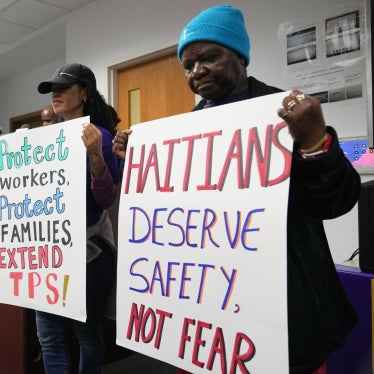
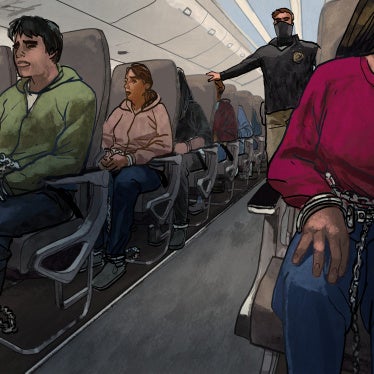
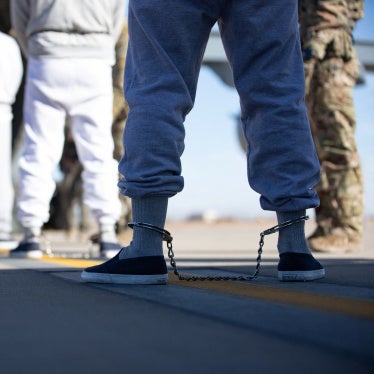
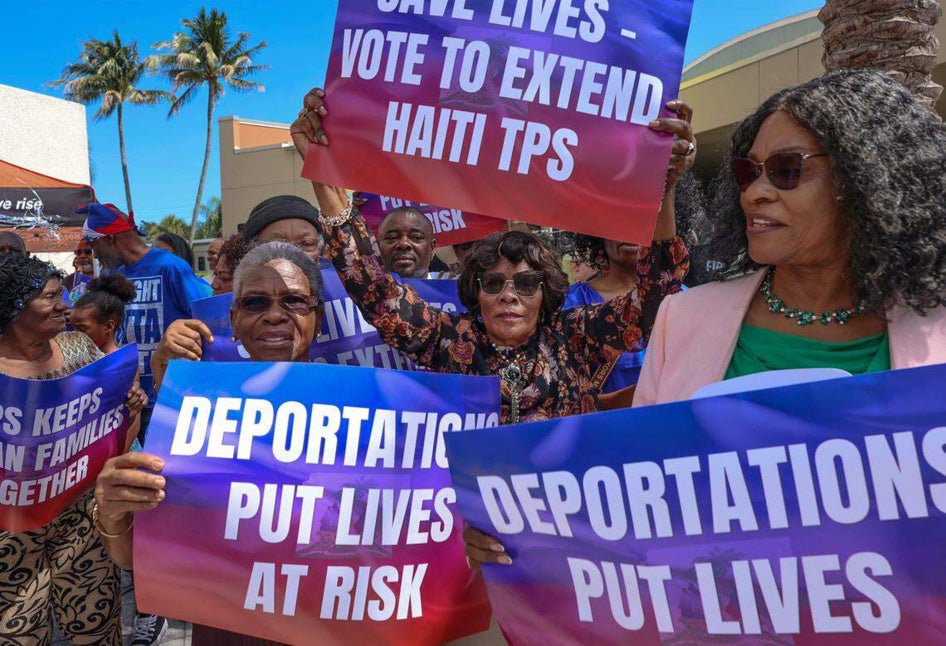
And yet, the same government that describes horrors before the UN Security Council and certifies the country as too dangerous to travel to is preparing to deport some 350,000 Haitians there, as the US Supreme Court stands aside and allows the termination of Temporary Protected Status (TPS).
Mass deportations would put these people in grave danger and exacerbate Haiti’s humanitarian crisis. Many would be compelled to rejoin families living in dangerous areas where, perceived as wealthy, they could become targets for kidnapping and extortion.
It’s not too late. A new Homeland Security secretary is in place, Markwayne Mullin, who could still recognize Haiti as unsafe and extend TPS. It will take some convincing: after the Supreme Court ruling, he called upon Haitians to self-deport, offering them $2,100 to go back. But maybe the fact that the Federal Aviation Administration prohibits US air carrier flights to Port-au-Prince due to ongoing instability will give him pause.
The Supreme Court’s ruling is due to go into effect later this month. Secretary Mullin should listen to the words of the US ambassador to the UN and heed the State Department’s warning that, in fact, applies as much to Haitians as to US citizens: Do Not Travel to Haiti.