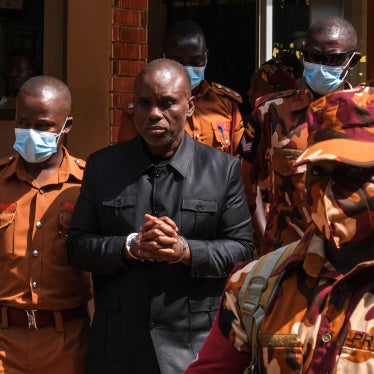
It has been 13 days since armed soldiers seized Muwanga Kivumbi, a deputy president for the National Unity Platform, Uganda’s main opposition party. He has not been heard from since and the authorities have yet to account for his whereabouts.
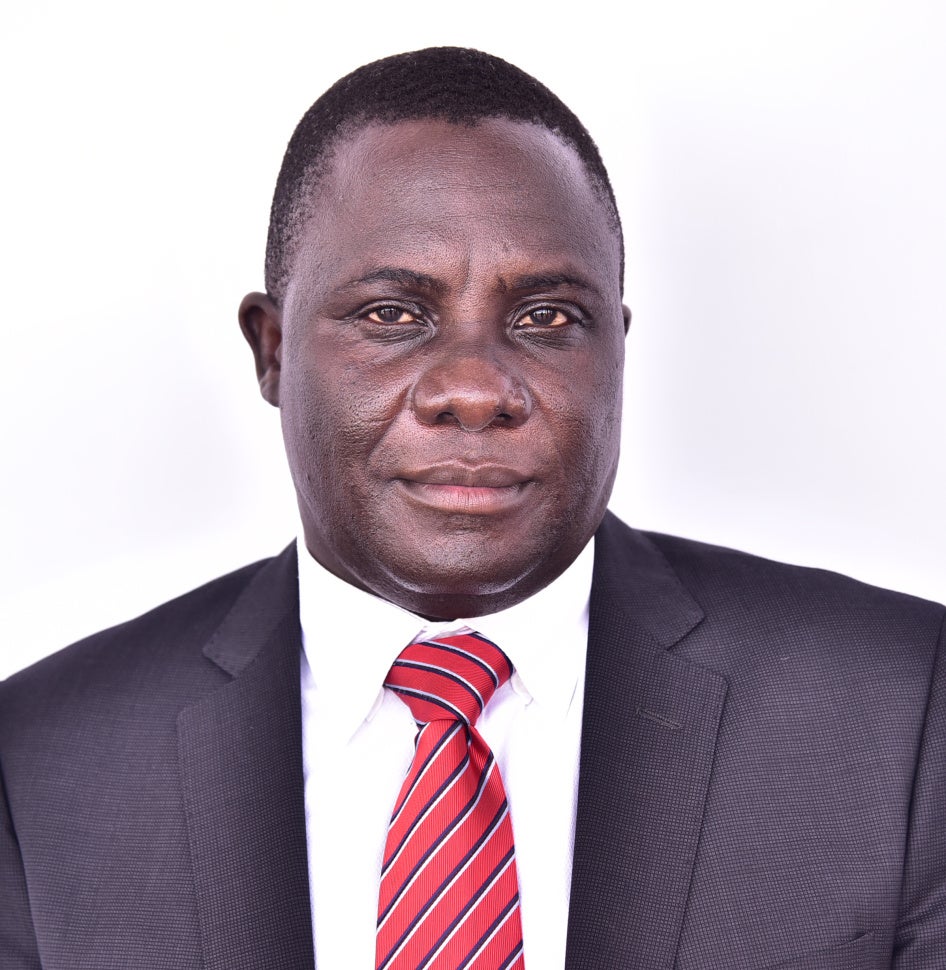
On July 10, the day after a court released Kivumbi on bail on politically related terrorism charges, armed plainclothes and uniformed soldiers dragged him from his car at a police roadblock on the outskirts of Kampala and drove off with him to an unknown location. A victim of an enforced disappearance at the hands of Ugandan soldiers, his safety and life remain at risk as long as the military are holding him beyond the protection of the law.
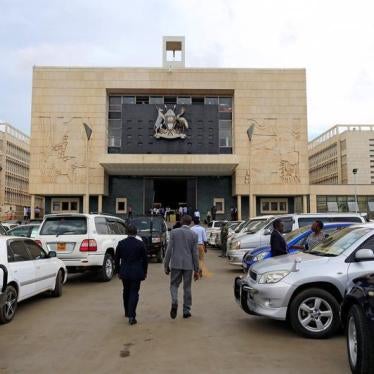
Kivumbi’s family filed a habeas corpus application this week, asking the authorities to immediately release him, but a judge declined to do so and instead ordered the government to “conclude investigations” into his disappearance and provide a response within a week. During the proceedings, the police denied they are holding Kivumbi.
Kivumbi had been detained in prison since January 22, 2026, when authorities arrested him, Jolly Jackline Tukamushaba, and Lina Zedriga Waru, two other deputy presidents from the opposition party, following the January 14 general elections. The authorities released Tukamushaba and Waru after holding them incommunicado for several days, but charged Kivumbi with terrorism for allegedly orchestrating and executing “a violent attack” on a police station and a polling station, an accusation he denied, and remanded him to prison before his release on bail on July 9.
Ugandan security agencies regularly re-arrest people shortly after courts have granted them bail or acquitted them on politically related charges.
Kivumbi’s enforced disappearance is one of several unlawful detentions of government critics and opponents in recent weeks by the Ugandan military and a crime under international law. An enforced disappearance occurs when state authorities or their agents detain a person and refuse to acknowledge the detention or reveal the person’s fate or whereabouts, placing them outside the protection of the law, as has happened in Kivumbi’s case. He, like other victims of enforced disappearances, is at a heightened risk of torture and other grave abuses.
The Ugandan authorities should immediately disclose Kivumbi’s whereabouts, release him, and end their assault on political opposition and criticism.