The 75-page report, “No Money, No Care: Obstetric Violence in Sierra Leone,” documents cases of verbal abuse, medical neglect, and abandonment of women and girls facing serious obstetric complications, practices that experts interviewed say are common. Many women interviewed said they were shamed and mistreated by healthcare providers for expressing pain, needing help, or for not having enough money to pay fees. Others described humiliating experiences in which healthcare providers treated them brusquely or withheld important health information. Some cases documented constitute obstetric violence, a largely unaddressed form of gender-based violence prevalent across the world.
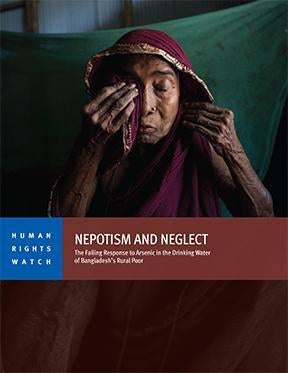
The Failing Response to Arsenic in the Drinking Water of Bangladesh’s Rural Poor
This report documents how Bangladesh’s health system largely ignores the impact of exposure to arsenic on people’s health. An estimated 43,000 people die each year from arsenic-related illness in Bangladesh, according to one study. The government identifies people with arsenic-related illnesses primarily via skin lesions, although the vast majority of those with arsenic-related illnesses don’t develop them. Those exposed are at significant risk of cancer, cardiovascular disease, and lung disease as a result, but many receive no health care at all.
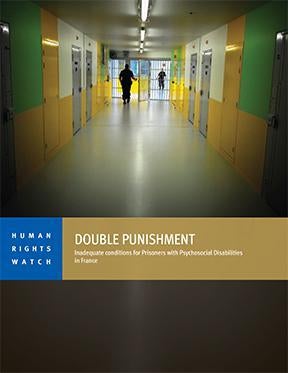
Inadequate Conditions for Prisoners with Psychosocial Disabilities in France
This report documents the lack of adequate mental health care and appropriate conditions for prisoners with psychosocial disabilities. The situation is exacerbated by overcrowding, stigma, and isolation, Human Rights Watch found. A shortage of mental health professionals in many prisons means that appointments are infrequent and often, brief and limited to prescribing medication. The lack of adequate conditions and care also results in difficult working conditions for prison staff.
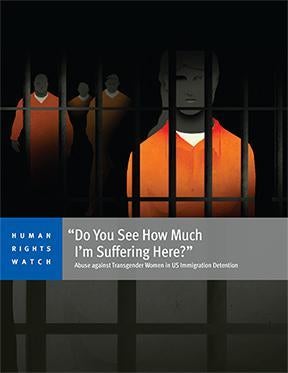
Abuse against Transgender Women in US Immigration Detention
This report documents 28 cases of transgender women who were held in US immigration detention between 2011 and 2015. More than half of the transgender women Human Rights Watch interviewed were held in men’s facilities at some point. Half also spent time in solitary confinement, in many cases allegedly for their protection. But solitary confinement is a form of abuse in and of itself, and many who had spent time there experienced trauma and profound psychological distress.
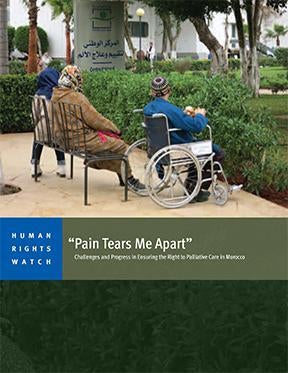
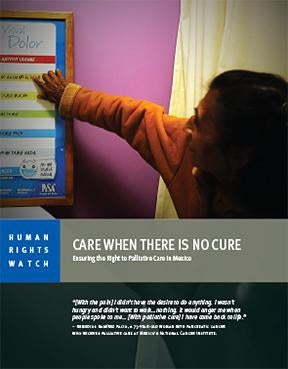
Challenges and Progress in Ensuring the Right to Palliative Care in Morocco
This report estimates that each year, more than 62,000 Moroccans need palliative care, which focuses on improving the quality of life of people with life-limiting illnesses by treating pain and other symptoms. While the Moroccan government has taken a number of important steps to improve end-of-life care, Human Rights Watch found only two public hospitals, in Casablanca and Rabat, have specific units that offer this essential health service, and only to cancer patients. Patients suffering severe pain outside of these cities must either undergo difficult travel to these centers or do without effective pain medicine.
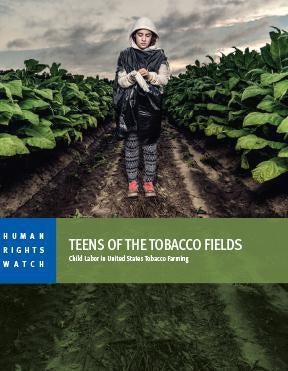
The 73-page report, “Teens of the Tobacco Fields: Child Labor in United States Tobacco Farming,” documents the harm caused to 16- and 17-year-olds who work long hours as hired laborers on US tobacco farms, exposed to nicotine, toxic pesticides, and extreme heat. Nearly all of the teenagers interviewed suffered symptoms consistent with acute nicotine poisoning – nausea, vomiting, headaches, or dizziness – while working on tobacco farms.
Climate Change, Environmental Threats, and Human Rights in Turkana County, Kenya
This 96-page report highlights the increased burden facing the government of Kenya to ensure access to water, food, health, and security in the Turkana region. The region also presents an example of how climate change, with rising temperatures and shifting precipitation patterns, disproportionately affects already vulnerable people, especially in countries with limited resources and fragile ecosystems.
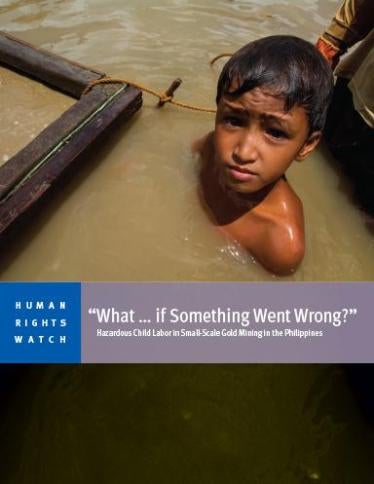
Hazardous Child Labor in Small-Scale Gold Mining in the Philippines
This 39-page report documents how thousands of Filipino children – some just 9 years old – work in illegal, small-scale gold mines, mostly financed by local businessmen. Children work in unstable 25-meter-deep pits or underwater along the coastal shore or in rivers, and process gold with mercury, a toxic metal. In September 2014, a 17-year-old boy suffocated in an underground mine because there was no machine providing oxygen. The Philippine government should act on its public commitment to end child labor in mining, Human Rights Watch said.
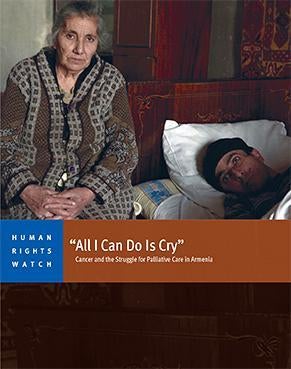
Cancer and the Struggle for Palliative Care in Armenia
This 86-page report describes the devastating impact of the lack of palliative care on people with advanced cancer and their families. It documents the overall lack of palliative care services in Armenia and the government’s overly restrictive regulations for getting strong pain medication. It also describes ingrained practices among healthcare professionals that impede adequate pain relief, and the lack of training and education of healthcare professionals in palliative care.
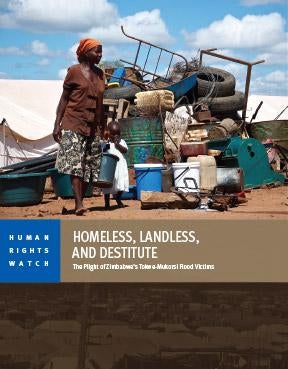
The Plight of Zimbabwe’s Tokwe-Mukorsi Flood Victims
This 57-page report documents human rights violations suffered by people forced to suddenly evacuate their homes due to massive flooding in the Tokwe-Mukorsi dam basin in February 2014, which some experts say could have been avoided.
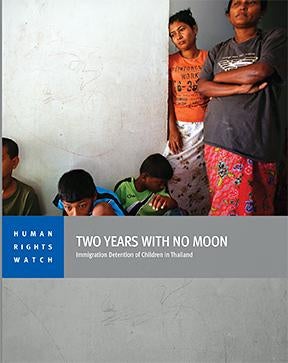
This 67-page report details how Thailand’s use of immigration detention violates children’s rights, risks their health and wellbeing, and imperils their development. The Thai government should stop detaining children on immigration grounds, Human Rights Watch said.
Barriers to HIV Services and Treatment for Persons with Disabilities in Zambia
The 80-page report documents the obstacles faced by people with disabilities in both the community and healthcare settings. These include pervasive stigma and discrimination, lack of access to inclusive HIV prevention education, obstacles to accessing voluntary testing and HIV treatment, and lack of appropriate support for adherence to antiretroviral treatment.
Evidence-Based Treatment for Drug Dependence at the United States Veterans Administration Department of Veterans Affairs
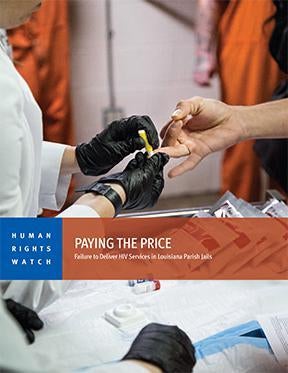
The 39-page report states that more than one million US veterans take prescription opioids for pain, and nearly half of them use the drugs “chronically,” or beyond 90 days.