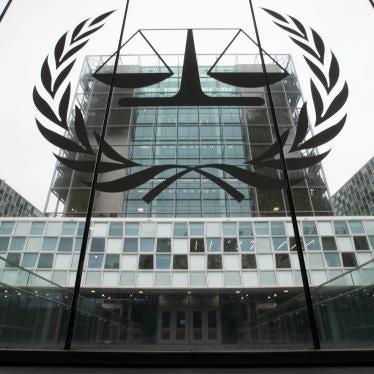

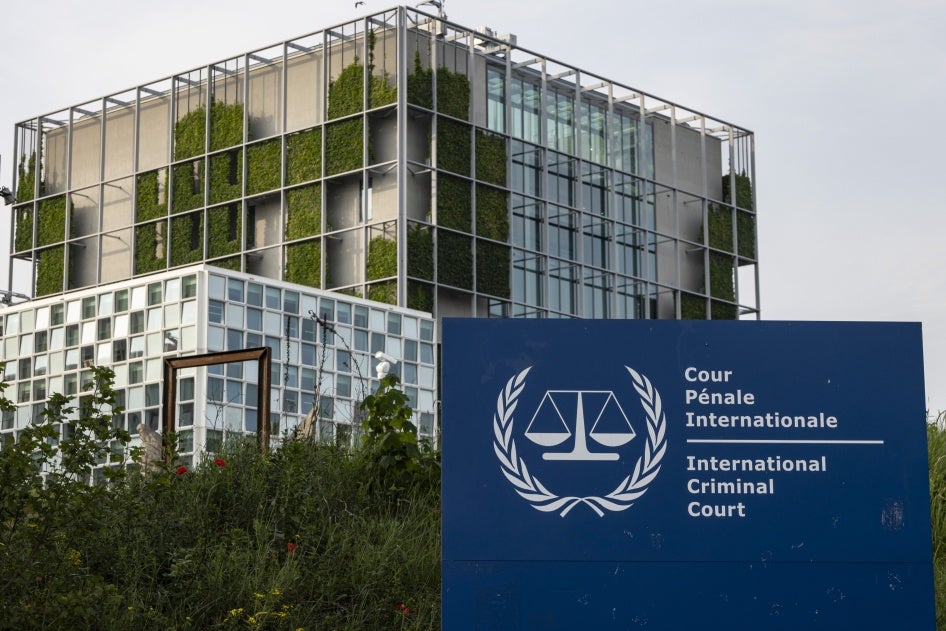
On February 6 2025, Donald Trump issued an executive order authorising asset freezes and entry bans on officials of the International Criminal Court (ICC) and others supporting the court’s work. The order makes clear that the Trump administration seeks to shield US and Israeli officials from facing ICC charges.
For the designated individuals and civil society organisations, this has resulted, among other things, in the closing of bank accounts, losing access to credit cards and several online services, the loss of funding and cooperation with other organisations, and the inability to travel to the US.
Now that the ICC itself has been sanctioned, it could lose access to the companies which it relies on for its everyday functioning, like banking, information technology and travel.
While the EU rightly issued swift and public disapproval of the sanctioning, it needs to do more; the impact of the US sanctions is being felt across the broader international justice system, chilling cooperation with the court and engagement within civil society, ultimately impacting victims’ access to justice.
The EU should urgently activate its blocking statute to defend the court and those cooperating with it.
The EU should act now
The ICC was established over 25 years ago to make good on a promise: that there would be no impunity for the most serious crimes under international law. But today, the ICC – which the EU has staunchly supported from the beginning – and the international justice system it anchors are facing an existential threat.
The Trump administration launched a campaign to destroy the ICC ‘brick by brick’ and on 9 October, it sanctioned the whole court. This unprecedented escalation followed the US government’s previous sanctioning of ICC prosecutors and judges – including two EU nationals – a UN expert, and three leading Palestinian human rights organisations.
Because the US government issued ‘general licenses,’ with one granting up to six months to wind-down activities with the court, the EU and others have portrayed this as a delay to the sanctions taking effect.
But the sanctions are already in effect and the US government can withdraw or narrow those licenses at any moment. Some service providers could also decide to stop engaging with the court before the deadline. Civil society organisations, lawyers and human rights defenders based in the EU who work with or support the court may be deterred from cooperating with the court given the risk that they, too, could face sanctions. This could shrink civic space within the EU.
The October 2026 European Council conclusions are an important, high-level political condemnation of the sanctions. They should now be followed by robust, concrete measures to protect the court and those cooperating with it – including the long-overdue activation of the EU’s blocking statute.
For months, the European Commission has claimed to be ‘assessing’ the statute’s ability to address this situation, while continuing to favour dialogue with the US. This appears to be driven by a reluctance to jeopardise the EU’s fragile relationship with Washington, alongside doubts on whether the blocking statute would be the right tool to respond to the Trump administration’s assault on international justice.
Now, the European Council and others have stated their intention to use the wind-down period to engage with the US in an attempt to try and have the sanctions reversed. This shouldn’t result either in agreements that would compromise the Rome Statute’s integrity and the court’s independence, or in a further delay in activating the statute.
Instead, the Commission should heed the Council’s express request ‘to take all appropriate initiatives contributing to the protection of the Court and the mitigation of sanctions, specifically towards EU companies so that they can continue providing services to the Court.’ The blocking statute is the most immediate and comprehensive tool at its disposal.
What the blocking statute is and what it isn’t
The blocking statute prohibits EU entities from complying with a list of extraterritorial sanctions and provides legal protection to continue operating with sanctioned individuals and entities. Using it requires a delegated act, which the Commission can do on its own initiative.
It’s not a silver bullet: for example, most EU operators chose to comply with US sanctions against Iran rather than their obligations under the statute (notably, the ICC has reportedly eliminated any US financial nexus in its transactions).
However, it remains the only available legal tool to provide clear guidance to EU-based operators, a unified EU response to the US sanctions and, in concert with other measures, could contribute to limiting the sanctions’ effects on both the court and those cooperating with it.
Most of the measures taken or discussed focus on guaranteeing the ICC’s ability to continue operating. These include a recent Commission notice that instructs EU-based service providers to continue offering their services to the court. There doesn’t appear to be any efforts being undertaken to protect civil society. The blocking statute could provide a comprehensive framework of legal protection for both the ICC and other actors working to advance its mandate.
Growing calls for action
The US sanctions rightly attracted strong condemnation from many and the executive order authorising them have been challenged in several lawsuits in US courts.
Some EU countries and institutions have taken concrete measures to ensure the court can continue its work, including through a dedicated group of experts.
But more is needed for an effective EU-wide response to protect not only the ICC, but also civil society organisations. Over the last year, Slovenia, Belgium and Spain have been vocal in their request for the Commission to act and several other EU Member States, including Sweden, France, Ireland, Finland and others, have expressed support in Council meetings for activating the statute. Others, including the Netherlands, have called on the Commission to activate the blocking statute in case of institutional sanctions.
The European Parliament has adopted nine resolutions urging for the blocking statute to be activated and many MEPs across the political spectrum have repeatedly reiterated those calls in statements, letters, and debates.
Calls for activating the statute are also coming from UN experts, civil society organisations and academics. These have been echoed by those directly affected by the US sanctions.
No more excuses
Now that the US government has escalated its attack on the court the growing calls for activating the blocking statute shouldn’t be ignored any longer.
While the Commission is working to review and strengthen the statute, it shouldn’t delay using this critical tool already at the EU’s disposal.
Dialogue shouldn’t be an excuse for inaction when victims’ access to justice is at stake.