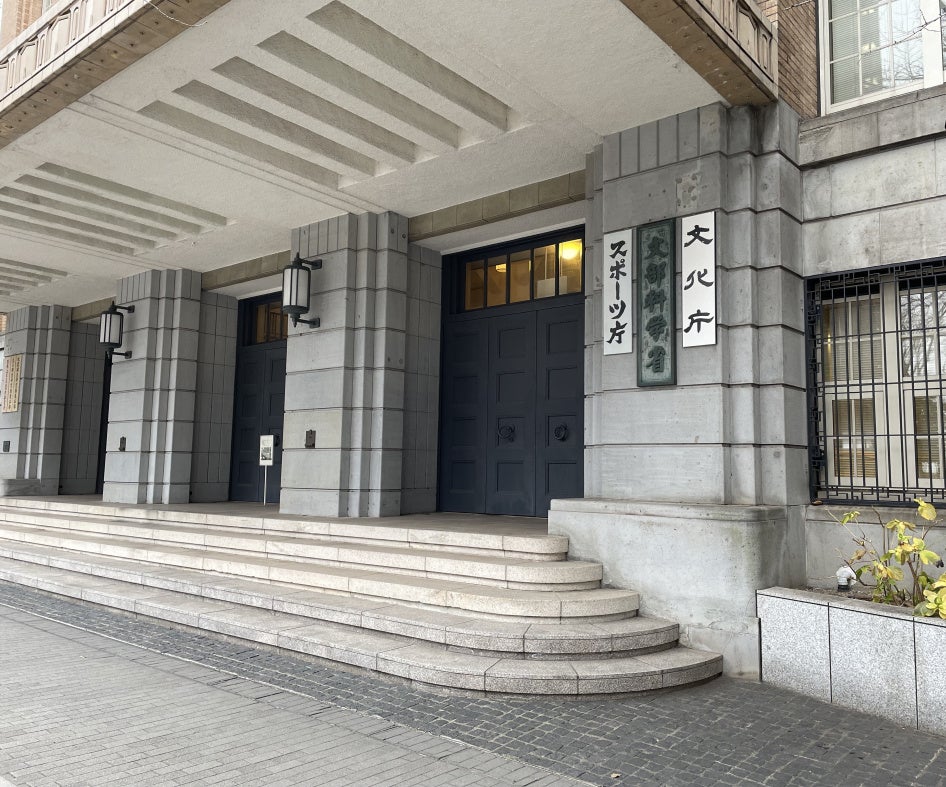
The Japan Sports Agency (JSA) is currently preparing the Fourth Sport Basic Plan, the government's five-year blueprint for sports policy from 2027. While the interim report for the plan recognizes ongoing concerns about abuse of athletes in Japan, including violence and harassment, online abuse, and sports-related injuries, the report does not provide a comprehensive framework for preventing abuse and ensuring safe sport.
This gap is particularly striking given the 2025 amendment to the Basic Act on Sport, which explicitly requires national and local governments to take measures against physical, sexual, verbal, and other forms of abuse in sport. The Fourth Sport Basic Plan should translate these legal obligations into concrete action.
To better protect rights in sport, Human Rights Watch and partners have been urging the government to establish an independent Safe Sport Center and pass a Safe Sport Act. Japan’s current system largely relies on individual sports organizations to receive and handle complaints. Athletes often hesitate to report abuse because they fear retaliation or do not trust organizations connected to those responsible for the abuse. Reporting mechanisms also vary significantly across sports, creating uneven access to remedies and support.
The interim report is structured around three priority issues, each accompanied by related priority measures, objectives, basic measures, and additional background information.
Under Priority Issue 1, one of the interim report’s objectives is to “eradicate compliance violations, corporal punishment, and abuse by sports stakeholders.” It identifies, among several basic measures, “ensuring thorough dissemination through guidelines and other means” and “disseminating the governance code.”
These measures, however, are wholly inadequate to prevent abuse. They don’t even go as far as the existing Third plan, which includes “ensuring safety and security for those participating in sport” as an independent and specific policy measure addressing the eradication of abuse, with policy objectives and concrete measures. In fact, the Fourth Plan gives less prominence to the issue, no longer presenting it as an independent and specific priority measure.
Also, under Priority Issue 2, the interim report identifies “strengthening sport integrity” as one of several priority measures. It lists “support for high-quality education for coaches” and “measures against online abuse directed at athletes and sports stakeholders/prevention of sexual harassment through photographs and videos” as basic measures. These measures also largely carry forward the approach of the Third Sport Basic Plan but stop short of the reforms needed to prevent abuse effectively.
The interim report largely relies on awareness-raising, education for coaches, compliance measures, and governance codes as its main responses to abuse. While they are important, these initiatives alone are insufficient to ensure athletes’ rights. We strongly urge the government to significantly strengthen the plan’s measures on abuse prevention and sport integrity. In particular, Japan should establish a Japan Safe Sport Center and enact a Safe Sport Act as its legal basis.
Athletes, children, coaches, referees, and others who participate in sport should be able to do so free from physical abuse, sexual abuse, harassment, and discrimination. Japan’s next Sport Basic Plan should place safe sport at its center and ensure that everyone can participate in sport in a safe, inclusive, and rights-respecting environment.
An independent Safe Sport Center could provide a safe and trusted reporting mechanism, ensure that complaints are handled consistently, and help monitor how cases are addressed. A Safe Sport Act would provide the legal foundation for protecting athletes’ rights and for the establishment of such a body.
Japan has already recognized through its laws that abuse has no place in sport. The Fourth Sport Basic Plan should now turn that commitment into action. To comply with its own legal obligations, Japan should place safe sport and athlete rights at the core of the final plan.
Kanae Doi is Japan director at Human Rights Watch and Hanna Yumura is Asia officer.