(Manila) – The Philippine government’s impending construction of a technology manufacturing hub under the US government’s “Pax Silica” initiative will displace hundreds of Indigenous peoples and farmers in Tarlac province, Human Rights Watch said today.
The Philippine government will provide the land—including territory inhabited for generations by the Indigenous Aeta tribe—while investors, including US companies, will finance the infrastructure and facilities. The framework agreement between the Philippines and the United States is yet to be signed.
“Indigenous communities and small farmers fear they will be unlawfully displaced by the semiconductor hub,” said Lian Buan, Southeast Asia researcher at Human Rights Watch. “The Philippine government should follow domestic laws and international standards that protect land rights.”
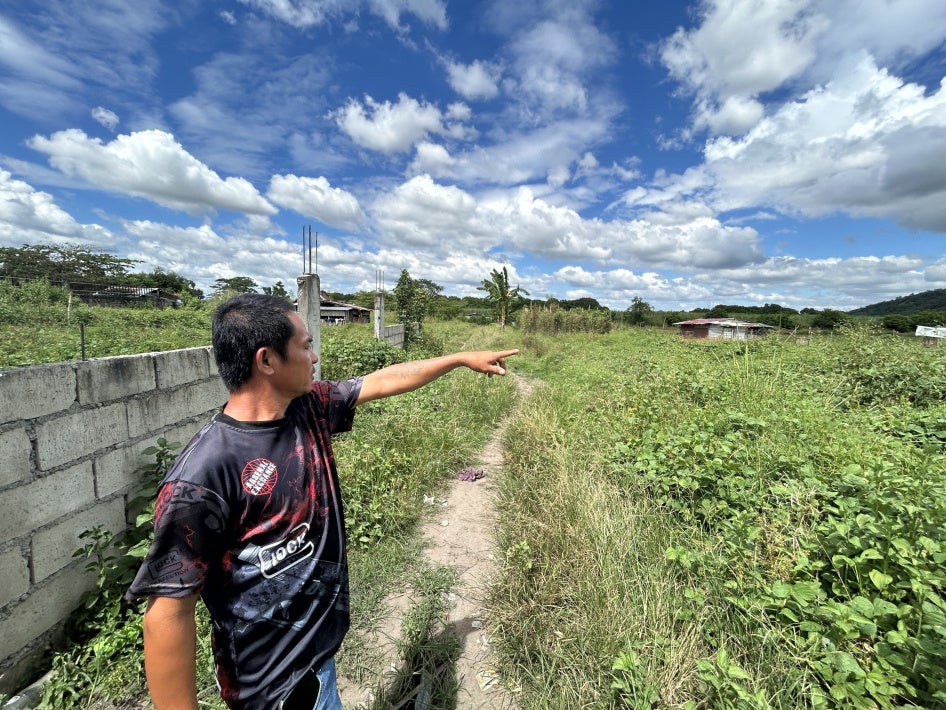
Human Rights Watch visited two affected sites in Capas in October 2026—Sapang Kawayan in Barangay Aranguren and Sitio Binyayan in Barangay O’Donnell—and spoke to 11 residents.
Pax Silica is a US initiative that began in December 2025 to secure US technology supply chains. Under Pax Silica, the US State Department has brokered agreements with other countries and international entities on issues including mineral extraction, technology hardware manufacturing, communications infrastructure, software and platforms, and trade. The Philippines joined Pax Silica in April 2026 and agreed to host a 1,618-hectare semiconductor hub in the town of Capas in Tarlac province, north of Manila, largely for mineral processing and semiconductor manufacturing.
The hub development is led by the Bases Conversion and Development Authority (BCDA), a Philippine government body created by law in 1992 that owns and administers areas previously used as US military bases, including territory occupied and used by the Aeta communities. The Pax Silica hub will be inside New Clark City, a government and residential complex built by BCDA in 2018. President Ferdinand Marcos Jr. said the government was “terribly excited” about Pax Silica.
Under the 1997 Indigenous Peoples Rights Act (IPRA), Indigenous peoples have the right to lands, inland waters, coastal areas, and natural resources that they have “occupied [and] possessed since time immemorial” and can receive Certificates of Ancestral Domain Title. Extended delays in processing titles have left many Indigenous communities vulnerable to encroachment.
The Aeta Hungey tribe in Sapang Kawayan has been seeking recognition of its ancestral domain since 1994 and refiled in 1999 after the Indigenous Peoples Rights Act took effect, but has not yet received title.
In early July 2026, BCDA officials sent letters to Sapang Kawayan residents, informing them that the land they were occupying would be “affected by the project New Clark City” and inviting them to discuss it at their Clark office without mentioning the planned hub. These letters and BCDA personnel visits to measure their lands caused immediate concern among residents.
On July 23, BCDA announced that the hub would be built inside New Clark City.
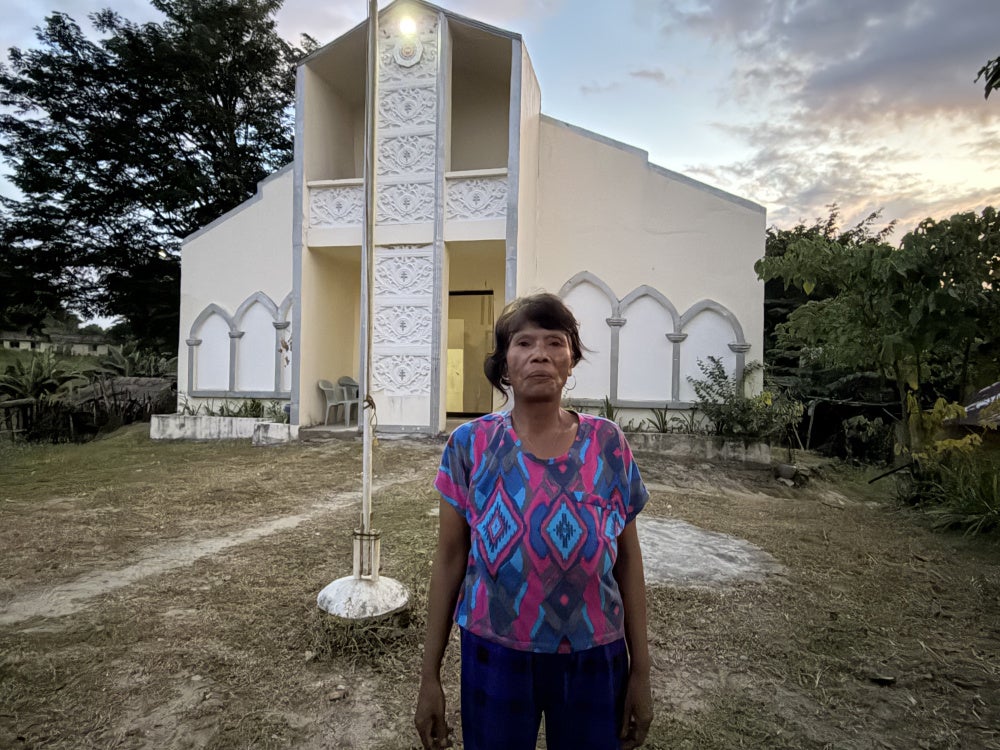
Chieftain Petronila Capiz-Muñoz said that visiting BCDA officials orally informed residents that they will be relocated by December and provided information that left residents worried: “They said the new homes would be 30-square meters per family… We complained; they’d be turning us into a matchbox. We farm here, otherwise how would we have sustained our lives here all this time? We don’t rely on aid.”
The former BCDA president, Joshua Bingcang, confirmed to media in September that 40 Aeta Hungey homes would be “pushed a little bit,” affecting about 200 people. BCDA officials told the House of Representatives on November 11 that the relocation site would be in Sitio Binyayan, Barangay O’Donnell, three kilometers from Sapang Kawayan, without access to the streams they use for water.
“We do not want to give up our community,” Muñoz said. “How do we give up our burial grounds, our church, our livelihood? This is where we source our water, this is where we plant.”
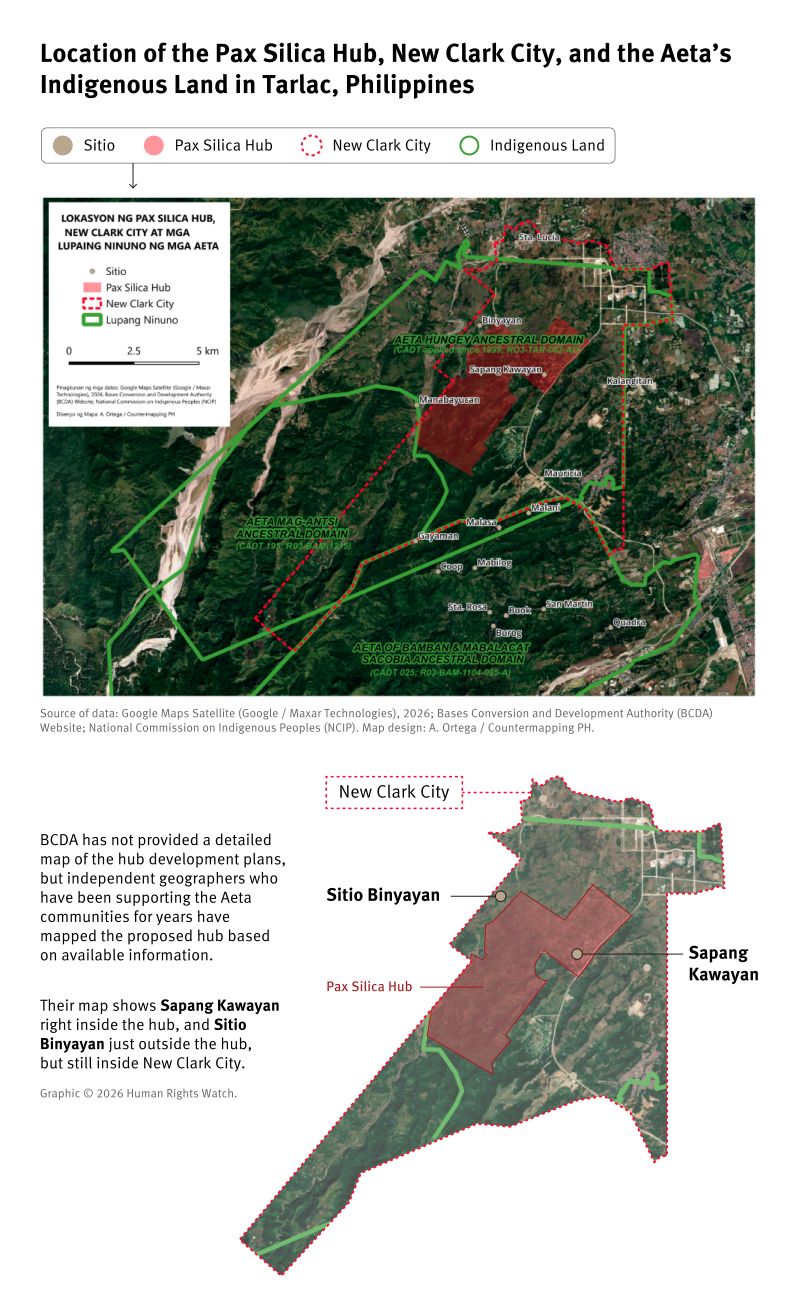
BCDA has not provided a detailed map, but independent geographers who have been supporting the Aeta have mapped the proposed hub based on available information. It shows Sapang Kawayan inside the hub and Sitio Manabayukan, where a different tribe—the Ayta Mag-Antsi—live, just outside.
The village head of Barangay O’Donnell, Wendell Mercado, said that he and the mayor of Capas asked BCDA to hold a public consultation. “To this day, we are still waiting,” he said.
The United Nations Declaration on the Rights of Indigenous Peoples states that Indigenous peoples have the right to participate in decision-making in matters that would affect their rights, and that governments shall seek to obtain their free, prior, and informed consent before adopting measures that may affect them. The declaration also provides that Indigenous peoples shall not be forcibly removed from their lands or territories. Although the declaration is not a binding treaty, the Philippines supported the declaration when the UN General Assembly adopted it in 2007.
Available information indicates that BCDA never secured the free, prior, and informed consent of Aeta community members, Human Rights Watch said.
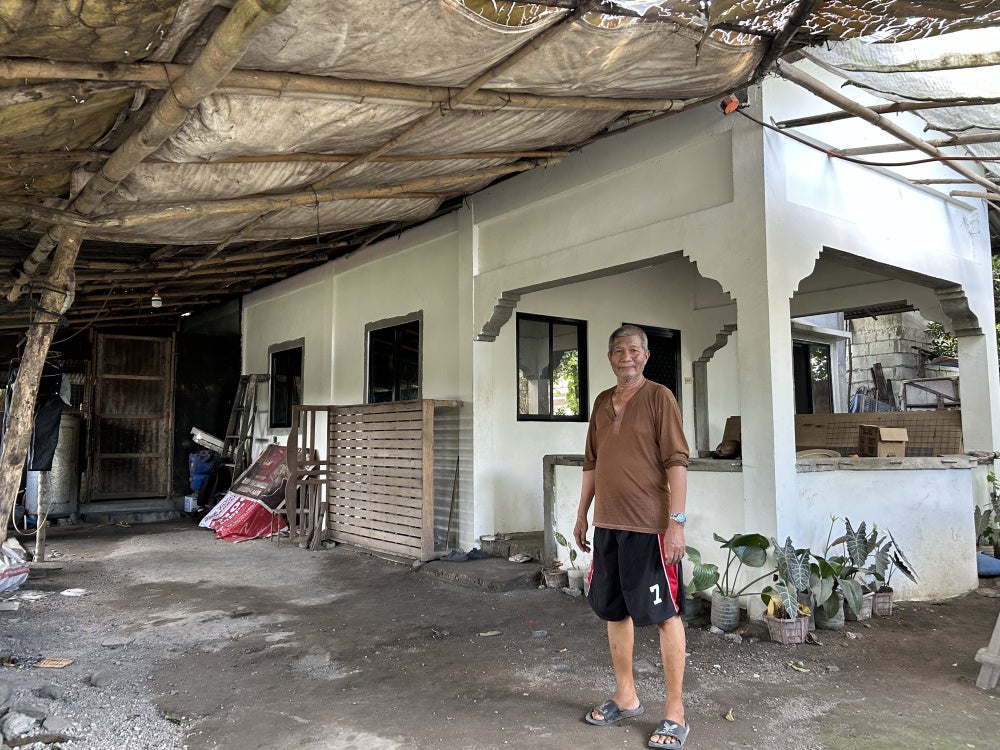
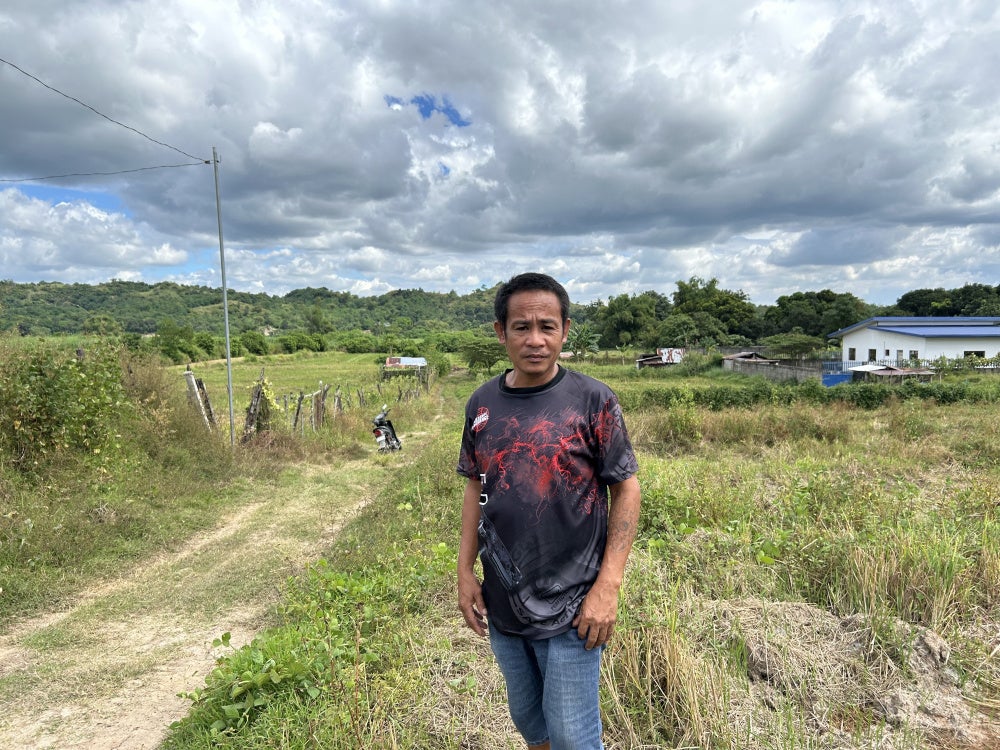
Philippine farmers in Sitio Binyayan have also received BCDA letters and were orally informed that their farmland, but not their homes, would be affected. BCDA confirmed to Mercado in a July 16 letter that 92 “affected persons in the Pax Silica project” live in Barangay O’Donnell, including the farmers in Sitio Binyayan.
“The farmers called me, confused as to why people were measuring their land, forcing them to sell, giving them 30 days, or 10 days to respond to the offer,” said Mercado. “It’s so cruel.”
The farmers said that BCDA officials offered compensation worth 300,000 pesos (about US$4,700) per hectare, which they said they do not want to accept. “I really don’t want to, but what can you do if you’re just a small person who stands alone, what will happen to you?” said Rafael Dela Cruz, a 72-year-old farmer. Mander Matias, another farmer, said he even refused the letter of invitation: “The next time they visited me, there were many of them, six of them, really reiterating they’d take my farmland.”
Generations of farmers have lived in Sitio Binyayan, but they have no land titles despite the 1988 Comprehensive Agrarian Reform Law, which awards landless farmers the right to collectively own lands they till. The Public Land Act also gives rights to people who have been “in open, continuous, exclusive and notorious possession and occupation of alienable and disposable agricultural lands of the public domain for at least 20 years.”
In case of a refusal to take the compensation offer, the right-of-way act states that the government must initiate court expropriation proceedings. “If there’s a way, we will fight so the government won’t take it,” said one farmer.
Farmers who have cultivated land for generations even without formal ownership may have internationally protected rights and interests in continued use of that land. These touch upon the obligations of states under the International Covenant on Economic, Social and Cultural Rights, particularly the rights to food and an adequate standard of living. Governments have obligations to recognize and protect legitimate tenure arrangements, prevent arbitrary dispossession, and ensure that any eviction complies with international human rights standards.
The UN Committee on Economic, Social and Cultural Rights, in a general comment on land rights, stated: “For peasants, access to land and other productive resources is so important for the realization of most rights under the Covenant that it implies for them a right to land. … It includes the right to have access to, sustainably use and manage land to achieve an adequate standard of living.”
The farmers—who have little formal education—fear they do not have the skills for the jobs promised by Pax Silica. “Farming is the only job we know,” said Wilfredo Gutierrez, 60. Another farmer said that, “Money is temporary; land is forever.”
Philippine authorities should protect affected people’s access to land and livelihoods and ensure any agreements made under Pax Silica respect their human rights.
“The Philippine government shouldn’t be trampling the rights of Indigenous peoples and farmers in its haste to attract foreign technology investment,” Buan said. “Development officials should provide information to people who will be affected and genuinely consult them before proceeding with the hub.”