October 2, 2018

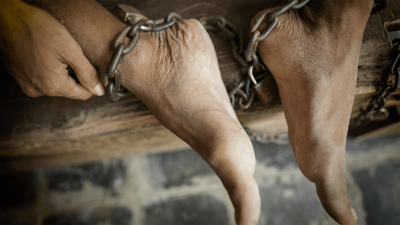
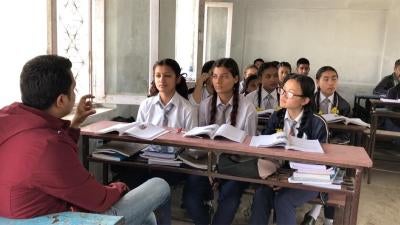
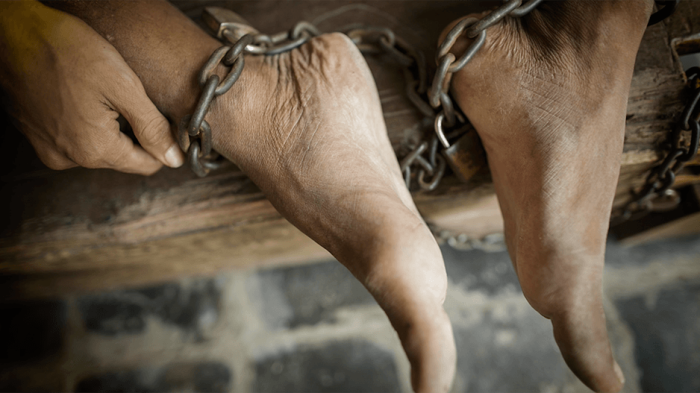
The Indonesian government has taken important steps to end the practice of shackling people with mental health conditions. But many people remain locked up in institutions instead of being able to live in the community. 

Stay up-to-date and get alerts on latest videos

Subscribe

Search

  • June 14, 2019 Video
    Pensioners who live in the Donetsk and Luhansk regions of eastern Ukraine under the control of Russia-backed armed groups must register as displaced people and travel to government controlled areas to receive their pensions. When they travel through the crossing point in the Luhansk region, they face risks to their health, safety and property, among other obstacles.
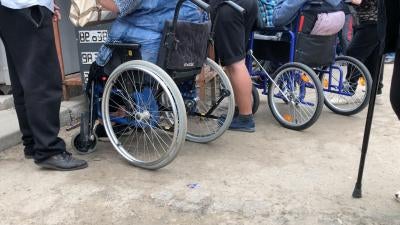
    People in wheelchairs at a checkpoint in Eastern Ukraine
    video content
  • December 6, 2018 Video
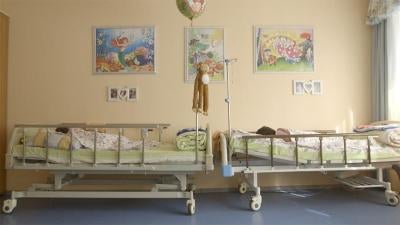
    Russian orphanages where children with disabilities grow up often transfer them to closed state institutions for adults when they reach 18 without their consent. Those who do move into the community often do not receive the support they need to live independently.
    .
    video content
  • October 9, 2018 Video
    Hundreds of people with real or perceived mental health conditions remain chained or confined in prayer camps in Ghana, despite some progress, one year after the government pledged to enforce a ban on shackling.
    201809AFR_Ghana_DRD_thumb
    video content
  • October 2, 2018 Video
    The Indonesian government has taken important steps to end the practice of shackling people with mental health conditions. But many people remain locked up in institutions instead of being able to live in the community.
    .
    video content
  • September 24, 2018 Video
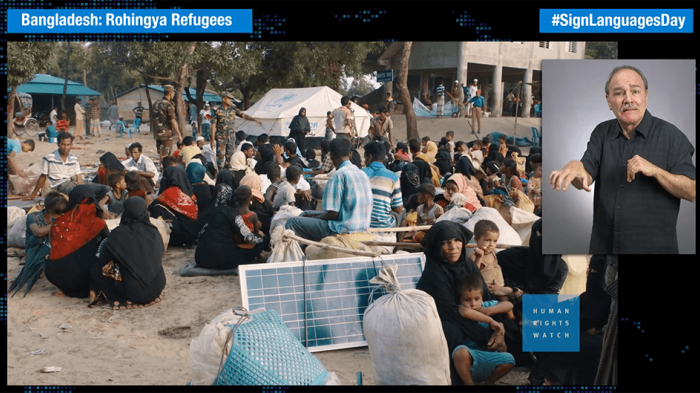
    Bangladesh’s overcrowded, hilly, and rain-soaked mega camp for ethnic Rohingya refugees is precarious for everyone, but especially for people with disabilities. More than 700,000 people reside in the camp after fleeing the Myanmar military’s campaign of ethnic cleansing more than a year ago.
    .
    video content
  • September 23, 2018 Video
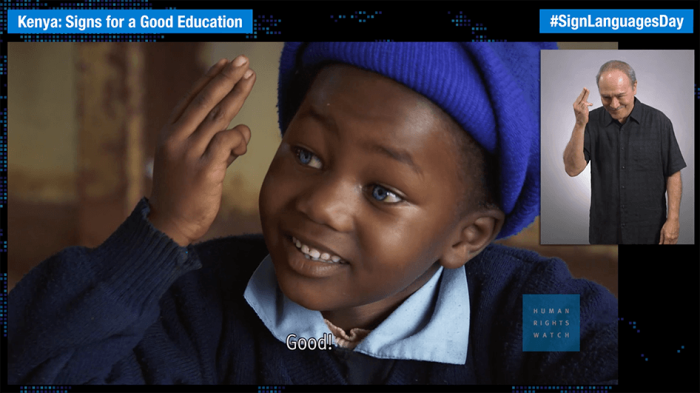
    Deaf children have a right to a quality education, like all other children, in a language and environment that maximizes their potential. In this video, in conjunction with a global conference in Sydney on equality for deaf people, Human Rights Watch shows some of the challenges faced by deaf children and young people, and the opportunities sign language education offers them.
    .
    video content