After the Storm
A new web feature looks at climate change, planned relocation, and people with disabilities in Siargao, Philippines.
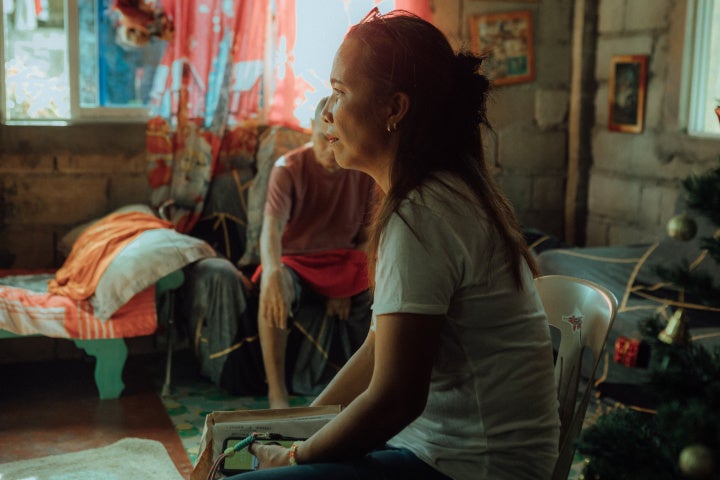
A new web feature looks at climate change, planned relocation, and people with disabilities in Siargao, Philippines.
This report documents the impacts of serious and prolonged drinking water and sanitation problems for thousands of indigenous people – known as “First Nations” – living on reserves. It assesses why there are problems with safe water and sanitation on reserves, including a lack of binding water quality regulations, erratic and insufficient funding, faulty or sub-standard infrastructure, and degraded source waters. The federal government’s own audits over two decades show a pattern of overpromising and underperforming on water and sanitation for reserves.
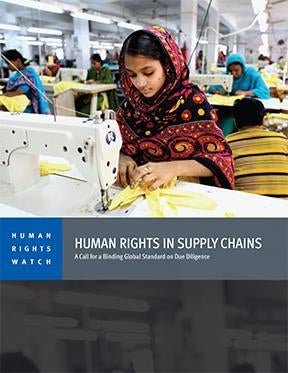
This report draws upon two decades of Human Rights Watch research on child labor and other labor rights abuses, environmental damage, and violations of the rights to health, land, food, and water, in the context of global supply chains.
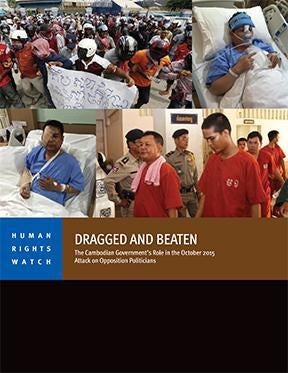
This report shows that the three officials charged in the mob attack were not acting alone. The ruling Cambodian People’s Party (CPP) transported protesters to the National Assembly in Phnom Penh a day after Hun Sen threatened to retaliate against the CNRP for demonstrating against him in Paris. Police stood by during the assault that inflicted serious injuries on assemblymen Kung Sophea and Nhay Chamraoen. After the attack, the mob went to the home of deputy CNRP leader Kem Sokha and threw stones and menaced those inside.
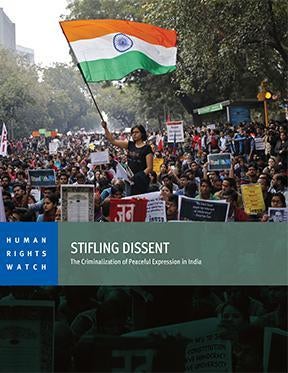
This report details how criminal laws are used to limit and chill free speech in India. It documents ways overbroad or vague laws are used to stifle political dissent, harass journalists, restrict activities by nongovernmental organizations, arbitrarily block Internet sites or take down content, and target marginalized communities, particularly Dalits, and religious minorities.
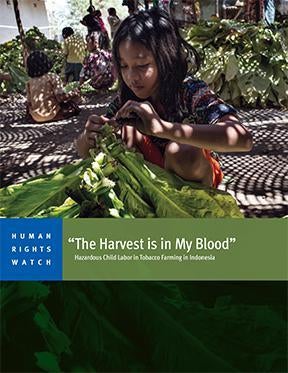
This report documents how child tobacco workers are exposed to nicotine, handle toxic chemicals, use sharp tools, lift heavy loads, and work in extreme heat. The work could have lasting consequences for their health and development. Companies should ban suppliers from using children for work that involves direct contact with tobacco, and the Indonesian government should regulate the industry to hold them accountable.
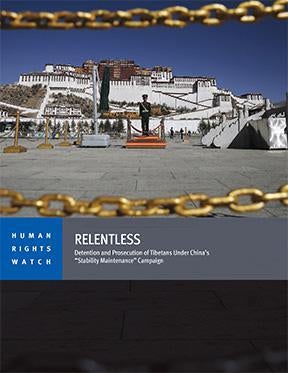
This report shows how changing patterns of unrest and politicized detentions, prosecutions, and convictions from 2013-2015 correlate with the latest phase of the government’s “stability maintenance” campaign – a policy that has resulted in unprecedented surveillance and control in Tibetan villages and towns.
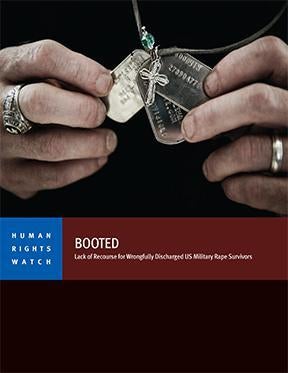
This report found that many rape victims suffering from trauma were unfairly discharged for a “personality disorder” or other mental health condition that makes them ineligible for benefits. Others were given “Other Than Honorable” discharges for misconduct related to the assault that shut them out of the Department of Veterans Affairs healthcare system and a broad range of educational and financial assistance. The consequences of having “bad paper” – any discharge other than “honorable” – or being labeled as having a “personality disorder” are far-reaching for veterans and their families, impacting employment, child custody, health care, disability payments, burial rights – virtually all aspects of life.
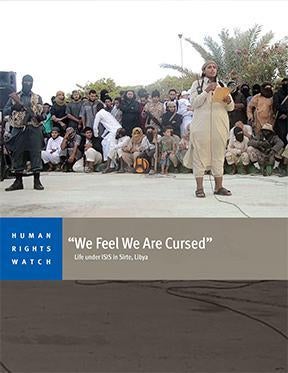
The report, “‘We Feel We Are Cursed’: Life under ISIS in Sirte, Libya,” also finds that ISIS is inflicting severe hardship on the local population by diverting food, medicine, fuel, and cash, along with homes it seized from residents who fled, to fighters and functionaries it has amassed in the Mediterranean port city. As the de facto government in Sirte, ISIS has the duty to ensure that all residents are able to exercise their basic human rights, including the rights to food and health.
This report examines the shortcomings in Japanese government policies that expose LGBT students to bullying and inhibit access to information and self-expression. Bullying is widespread and brutal in Japan’s schools, yet government policies addressing bullying do not specifically address LGBT students, who are among the most vulnerable to bullying. Instead, the national bullying prevention policy promotes social norms at the expense of basic rights. LGBT students told Human Rights Watch that teachers have told them that by being openly gay or transgender, they are being selfish and should expect not to succeed in school.
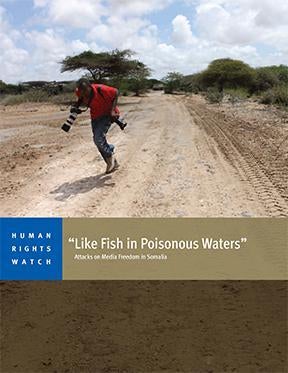
This report documents killings, threats, and arbitrary detention of journalists since 2014. The Somali federal government and regional authorities have used various abusive tactics to affect media coverage, including arrests and forced closures of media outlets, threats, and occasionally, criminal charges. Al-Shabab has targeted journalists as part of its campaign against the Somali government and for reporting deemed unfavorable. Government authorities have failed to adequately investigate and prosecute those responsible for abuses, leaving journalists to live in fear.
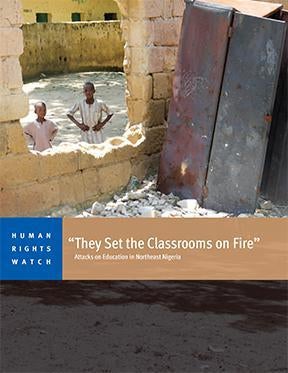
This report documents Boko Haram’s increasingly brutal assaults on schools, students, and teachers since 2009 in Borno, Yobe, and Kano states. Between 2009 and 2015, Boko Haram’s attacks destroyed more than 910 schools and forced at least 1,500 more to close. At least 611 teachers have been deliberately killed and another 19,000 forced to flee. The group has abducted more than 2,000 civilians, many of them women and girls, including large groups of students.
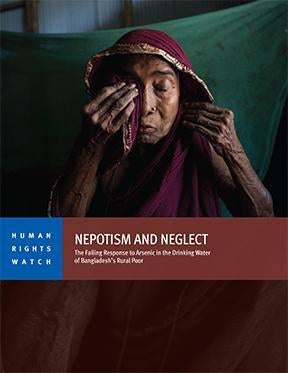
This report documents how Bangladesh’s health system largely ignores the impact of exposure to arsenic on people’s health. An estimated 43,000 people die each year from arsenic-related illness in Bangladesh, according to one study. The government identifies people with arsenic-related illnesses primarily via skin lesions, although the vast majority of those with arsenic-related illnesses don’t develop them. Those exposed are at significant risk of cancer, cardiovascular disease, and lung disease as a result, but many receive no health care at all.
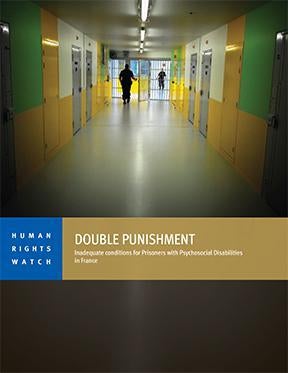
This report documents the lack of adequate mental health care and appropriate conditions for prisoners with psychosocial disabilities. The situation is exacerbated by overcrowding, stigma, and isolation, Human Rights Watch found. A shortage of mental health professionals in many prisons means that appointments are infrequent and often, brief and limited to prescribing medication. The lack of adequate conditions and care also results in difficult working conditions for prison staff.
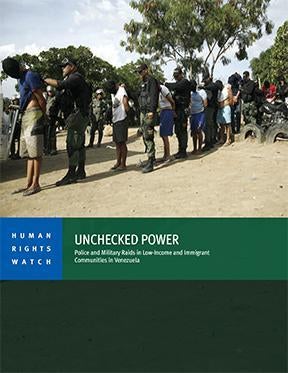
This report covers allegations of abuses during public security operations carried out nationwide, beginning in July 2015, as part of the “Operation to Liberate and Protect the People” (OLP), which was billed as an operation to combat criminal gangs. A common denominator in all the cases, and in other cases of government abuses PROVEA and Human Rights Watch have documented over past decade, is the extent to which the victims – or their families – have felt they have nowhere to turn for redress or for protection of their fundamental rights.
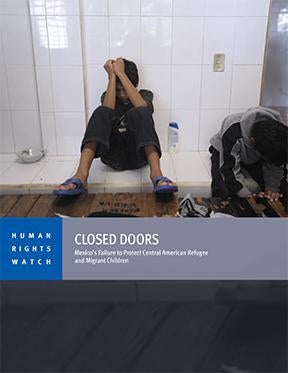
This report documents wide discrepancies between Mexican law and practice. By law, Mexico offers protection to those who face risks to their lives or safety if returned to their countries of origin. But less than 1 percent of children who are apprehended by Mexican immigration authorities are recognized as refugees, according to Mexican government data.