On 20 November 1989, the world’s governments adopted the United Nations Convention on the Rights of the Child, the international treaty focused on protecting children’s rights. It guaranteed every child free primary education but left something important out: a guarantee of free preschool and secondary education for all children. On this World Children’s Day, nearly four decades later, the Dominican Republic is helping lead an international effort to put that right.
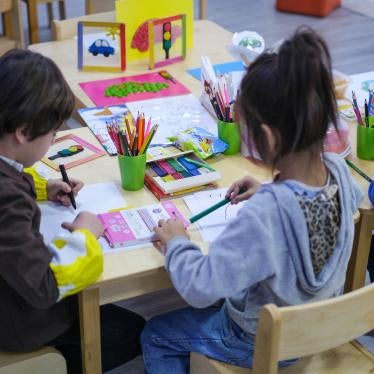
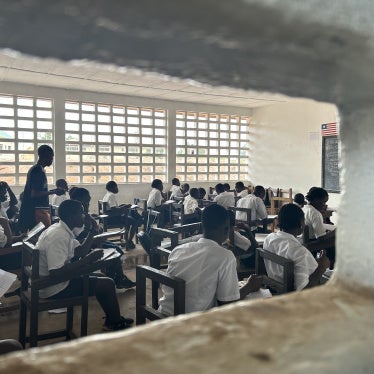
The stakes are enormous. UNICEF has estimated that 175 million children worldwide—nearly half of all pre-primary-age children—were not participating in pre-primary education. Meanwhile, 194 million children of secondary-school age were out of school. Tuition, fees, uniforms, transportation, books, and learning materials, can make education unaffordable. Yet quality early education lays the foundations for literacy, numeracy, and social development; while secondary education equips young people with the knowledge and skills to participate fully in society and shape their futures. Neither should depend on a family’s income.
Together with Sierra Leone and Bulgaria, the Dominican Republic is championing a new Optional Protocol to the Convention on the Rights of the Child that would recognize early childhood care and education as part of the right to education, and guarantee free public pre-primary education, beginning with at least one year, and free public secondary education for all children.
As a human rights advocate working in Geneva, I recall being struck by the Dominican Republic’s ambition when it first took its seat on the UN Human Rights Council in 2024. It seemed determined to do more than merely occupy a chair. Within six months, it had helped secure an international agreement to begin work on this proposed treaty. Its energetic diplomatic team, now headed by Ambassador Ivan Ogando, has since become a driving force behind an initiative that could transform the lives of children everywhere.
The Dominican Republic's leadership is rooted in its own national commitments. Its constitution guarantees free public education at the pre-primary, primary, and secondary levels. The country has also expanded early childhood education services. Its diplomats are therefore arguing that a principle their own country enshrined in its highest law should become an international guarantee for children everywhere.
At the close of the first official meeting on the proposed treaty in 2025, the Dominican Republic’s delegate spoke from personal experience: “I place great importance on putting a human face on human rights and making tangible what it means to have access to secondary education, which is what gives us the freedom to be here today, discussing this Optional Protocol.” It was a powerful reminder that this process is not merely about technical legal language, but about the opportunities education creates in people’s lives.
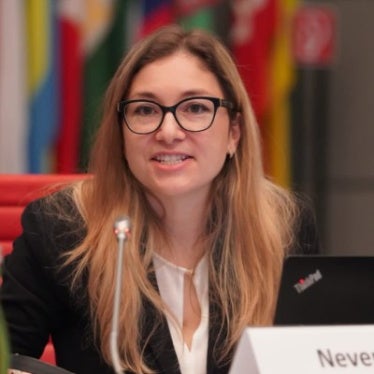
For me, this initiative is personal too. I am Bulgarian, married to a Dominican, with three preschool-age children. Watching them learn and discover the world makes seeing our two countries collaborate to expand educational opportunities especially meaningful.
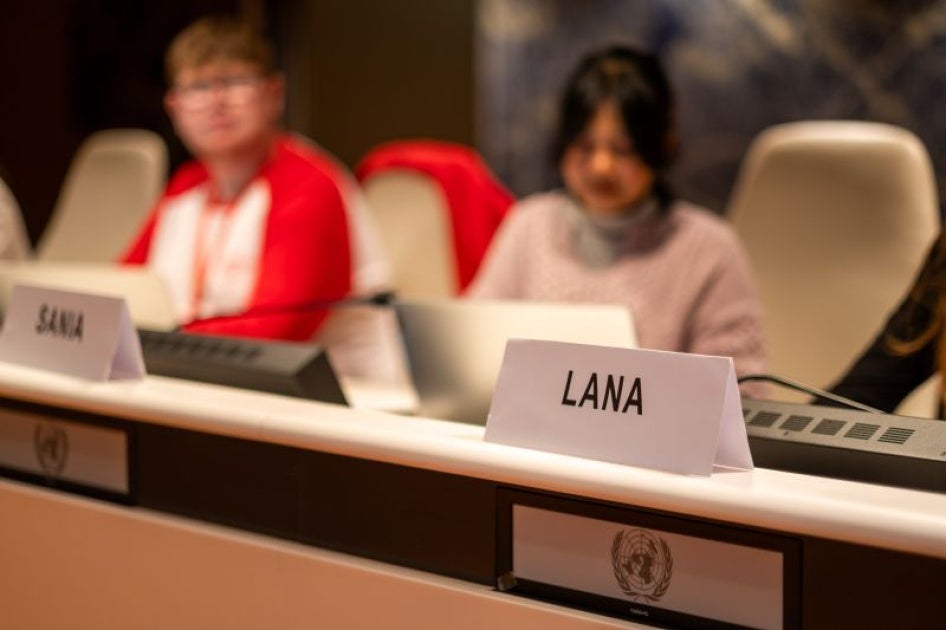
Children have also left their mark on the negotiations. At the second official meeting on the proposed treaty, in September 2026, children from Liberia, Sweden, Croatia, Mexico, and Indonesia shared findings from consultations they had run with children across the globe. They reminded governments that education is not genuinely free when families struggle to pay for transport, uniforms, and school materials. They also called for children to have a meaningful say in education policies, laws, and monitoring.
Karen, a 17-year-old representative from Mexico, explained why: “We are helping shape something that is meant to affect our lives and the lives of children who come after us. And I think that this is exactly why our voices belong on the table.”
Diplomatic challenges remain. While several countries supported starting to draft the new treaty, others called for more time to examine its implications. Those questions deserve discussion, but they should not become an excuse for indefinite delay.
The Dominican Republic has already helped rally support from across Latin America. As of today, 62 governments worldwide have publicly backed the initiative, including most countries in the region. The next formal meeting to discuss the proposed treaty, scheduled for October 2027, offers an opportunity to broaden that coalition.
As a member of the 39-country Small Island Developing States (SIDS) grouping, the Dominican Republic could encourage fellow island nations across the Caribbean, Pacific, and Indian Ocean to join the initiative. In doing so, it could demonstrate how countries often overlooked in international diplomacy can lead the way in advancing children’s rights.
The question now is whether other countries will match the Dominican Republic's vision: a world in which every child, everywhere, can go to school, learn and fulfil their potential.