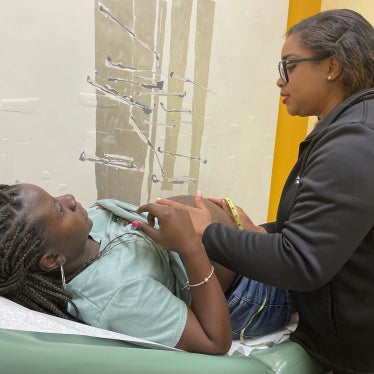
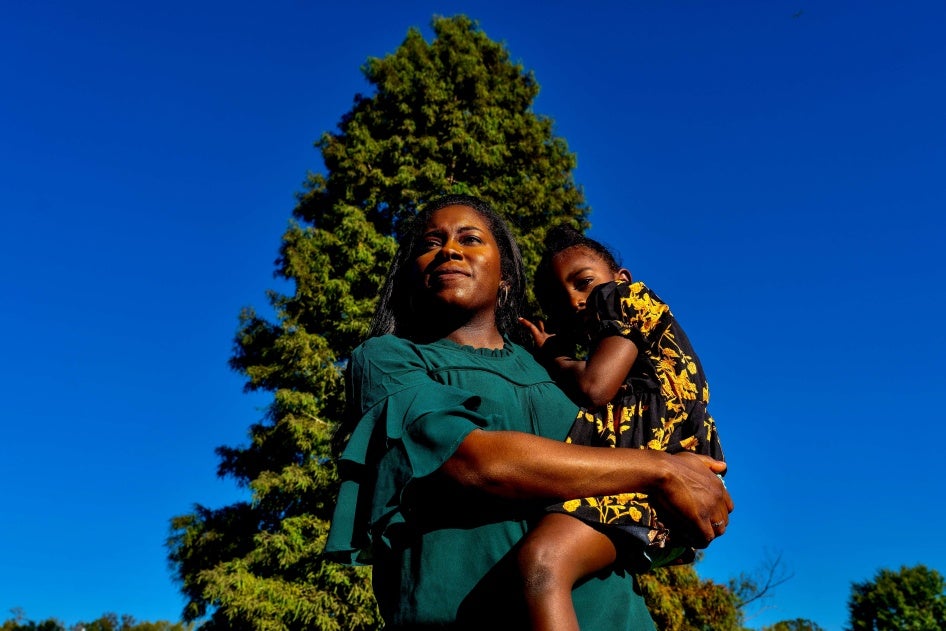
Louisiana feminist activists came together on October 2 at the annual Black Birth Matters conference to demand that policy makers consider how toxic air pollution and other environmental damage negatively impact reproductive health.
As part of a day-long examination of human rights in Louisiana, Kaitlyn Joshua, an environmental and reproductive rights expert, Shamell Lavigne from RISE St James, a key community-based environmental rights organization, and Tyra Gross, an academic with an interest in climate intersections with Black reproductive justice, led a panel on environmental justice. Joshua and Lavigne explained why industrial regulation is important for human and, specifically, maternal health, and Gross discussed ways communities can make sure pregnant people and new parents are better prepared for climate disaster.
Louisiana is an especially pertinent place for this conversation. The state has the second biggest (after Texas) petrochemistry industry in the US with significant reproductive and other health consequences for fenceline communities. Public health in Louisiana is especially at risk from climate change impacts. Louisiana also has a maternal health crisis with worsening prenatal care access, large maternal care “deserts”, a premature birth rate that recently rose and devastating cuts to safe abortion and other lifesaving reproductive health care.
There is evidence that petrochemical pollution can lead to an increased risk of reproductive harm. Local authorities should make sure impacted communities have the most up to date information on how emissions from extracting and burning fossil fuels, climate change, and the petrochemical industry might damage the health of pregnant women and other people.
The collective work of Black Birth Matters’ participants shines a light on how communities sometimes face multiple and interlocked injustices. It’s time for the state government to take action to protect the environment and reproductive rights for the people of Louisiana and nationwide.