
August 8 is Safe Sport Day, a time to show a visible commitment to sport that is safe, inclusive and accountable for everyone. This day, first celebrated in 2020, is now marked globally, by the International Olympic Committee and organizations that are committed to protecting athletes, including children, women, and people with disabilities.
Japan can and should also become a global leader in safe sport. It is no longer simply a participant in global sport—it is one of its leaders. It not only consistently performs as a world-class competitor, but it also hosts major international competitions. As Japan's influence in sport continues to grow, its leadership should extend beyond medals and event management, and in particular to ensure that everyone who participates in sports can feel safe from abuse.
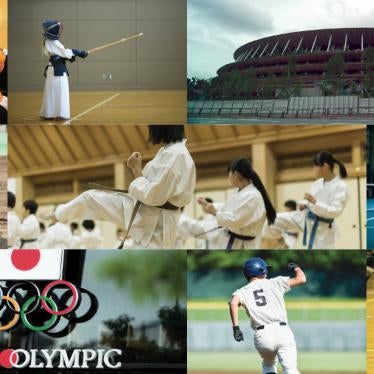
This year, the message is especially relevant for Japan. Japan’s delegation to the Milano Cortina 2026 Winter Olympics attracted widespread attention for its strong performance. Tokyo served as a host city for the World Baseball Classic for the sixth consecutive time, and Japan was a high profile participant in the FIFA World Cup. In September, the Asian Games will be held in Nagoya, followed by the Asian Para Games in October, bringing another major international sporting event to Japan.
There are encouraging signs of progress for safe sports in Japan. The Sport Basic Plan is a national policy that accompanies the Basic Act on Sport and guides its implementation. The first plan, passed in 2012, did not address the need to protect athletes from physical violence and harassment. The second plan, in 2017, acknowledged the importance of protecting athletes from physical violence and harassment and emphasized the importance of training for coaches. The third plan, in effect since 2022, additionally included the prevention of online abuse and sexual harassment and publicizing the usage of existing hotlines for athlete abuse as priority measures.
Since 2013, Japan has pledged to take steps to combat abuse of athletes. In recent years, these efforts have accelerated under pressure from courageous survivors of abuse. In June 2025, the Basic Act on Sport was revised, requiring the national government to take measures against physical, sexual, verbal and other abuse in sport. But it does not provide effective measures to prevent abuse and ensure safe sport in Japan.
To ensure that sports really are safe for everyone involved, the next Sport Basic Plan should explicitly prioritize effective mechanisms to prevent and respond to abuse throughout sport.
Legal and policy reforms are only a start. If Japan is truly committed to protecting athletes, the next step is to establish an independent body tasked solely with reporting and addressing abuse in sport. Such bodies have been established in various countries and are seen as a best practice for nations serious about addressing and stopping abuse in sport. In June 2026, UNESCO and the Sport & Rights Alliance released policy recommendations for realizing safe sport. Key among them were independent safeguarding mechanisms, confidential and accessible reporting and response systems, and survivor-centered support approaches that ensures athletes’ rights and safety.
Japan needs a fully independent body to which victims of abuse in sport—including children and their parents, sexual minorities, and people with disabilities—can feel safe reporting abuse and seeking help. As Human Rights Watch documented in 2020, Japan’s current system generally requires athletes who experience abuse or harassment to report their concerns through mechanisms connected to the very organizations involved.
A Safe Sport Center would help change that. This body should have the responsibility to create and maintain standards for protecting athletes, including children, and should serve as the central administrative authority for investigating abuse claims and issuing proportionate sanctions against abusive coaches.
On this Safe Sport Day, Japan has an opportunity to show leadership. The question is not whether Japan cares about sport—it clearly does. The question is whether Japan is committed to protecting the rights of the athletes who make sport possible.
Kanae Doi is Japan director at Human Rights Watch and Hanna Yumura is Asia officer.